

Earlier this week we asked the following questions of our Bridge Alliance, Coffee Party and Fulcrum communities regarding troubling ethics considerations in the case against former President Trump:
- Is there a true ethical conundrum with sitting judges presiding over a case against the president who appointed them?
- Are occurrences like this due to the political and governmental breakdowns of our time or merely arbitrary disruptions in an otherwise functional division of power?
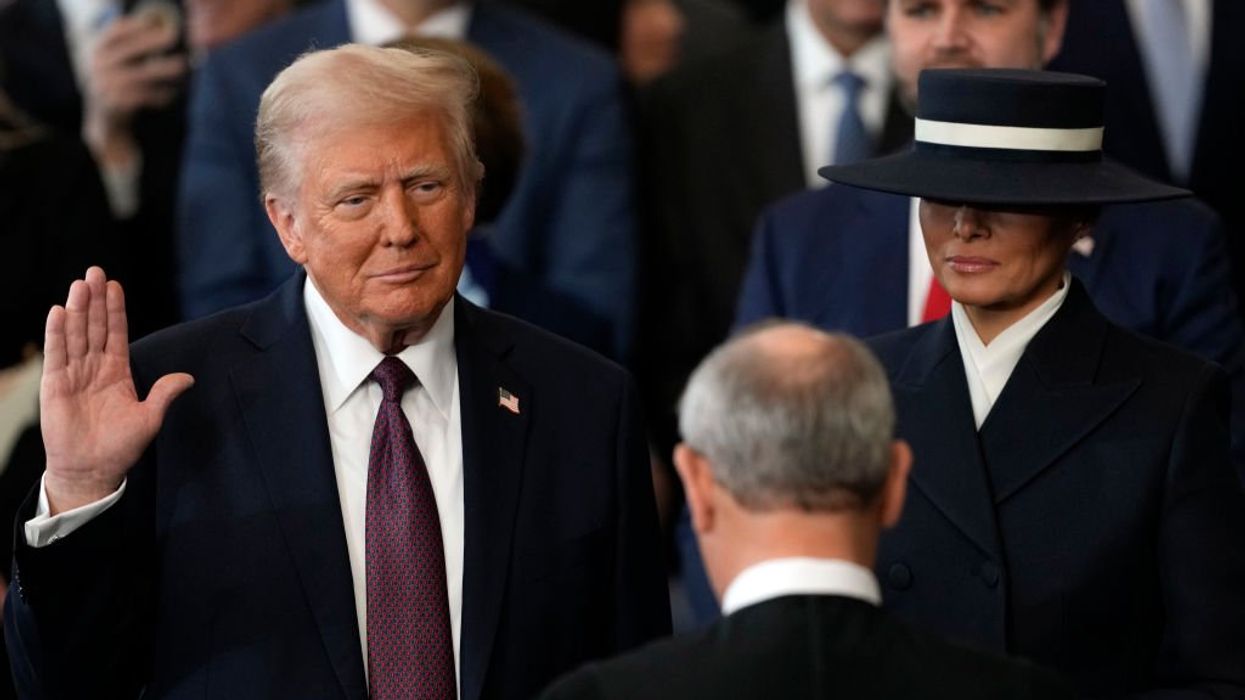
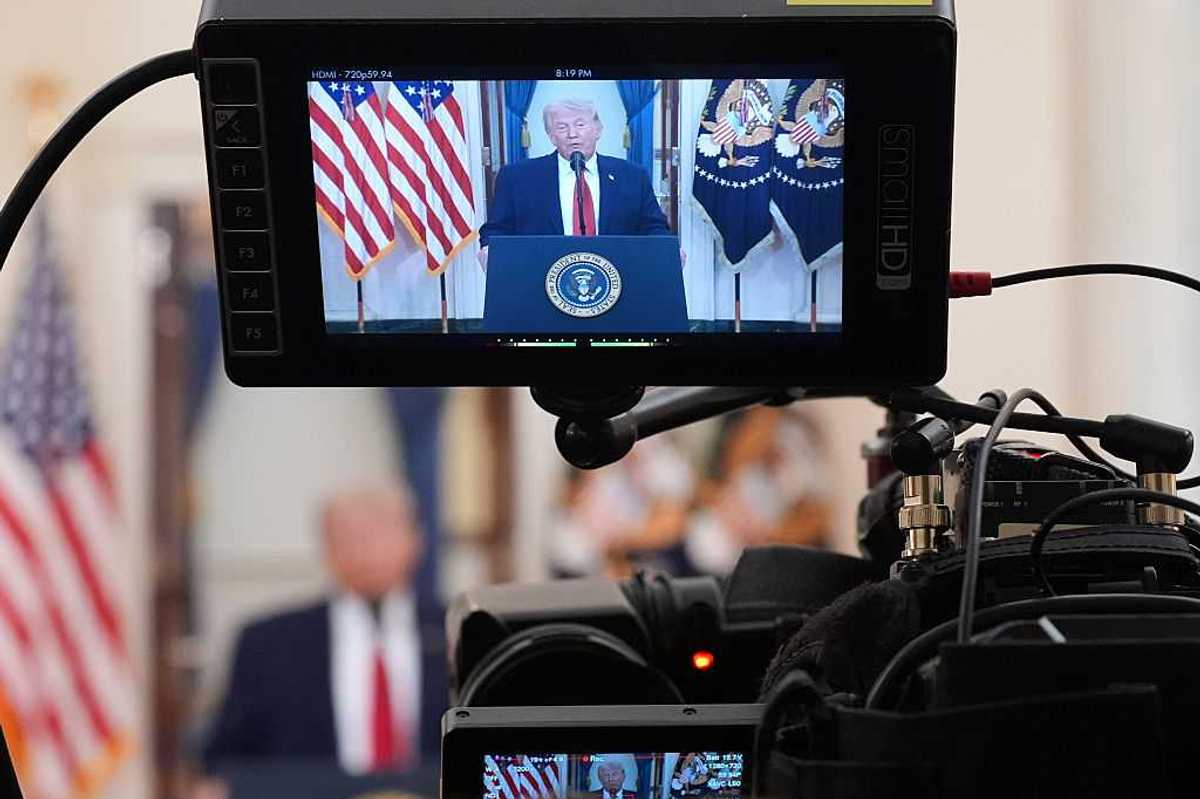
As of this week, the date has been set for the trial against former President Trump. Just as a boxing promoter pulls out all the stops to ensure the most captivating showdown, it is now time for both the prosecution and the defense to begin their preliminary maneuvers. And, thus far, the gears of democracy have turned properly; Judge Aileen M. Cannon rang the starting bell by setting up an early trial date, which may actually benefit the prosecution, and avoid the political theater. How she aligns with the balls and strikes of this case remains to be seen.
The real question is not whether the presiding judge can be impartial after being appointed by then President Trump in 2020. Rather, it is about how the questions regarding her impartiality highlight vulnerabilities in our political system. Would I recuse myself from the case if I were her? Yes. Is it likely that she is able to holistically separate herself from her own support of the embattled defendant? No. But, when the role of the judiciary is considered, Judge Cannon’s decision to remain a part of this particular case alludes to how we have gone too far in attempting to bend the will of necessarily impartial entities to act in partisanship performances. This saga could all end as swiftly as it began, a small brush fire struggling to maintain its flames. But, if the wind turns, the whole forest might burn.
Here is a sampling of your thoughts. Responses have been edited for length and clarity:
It is the perception of a conflict of interest that must be considered. As a municipal employee, I have to take an ethics test EVERY year. If I fail to follow the tenets of those ethics, I would potentially be terminated. How is it that our elected/appointed officials are not held to the same standards? - Charlotte Underwood-Miller
The question to me is not about conundrum but rather conflict. When a person is sponsored for a life-critical appointment by another person they have entered into an arena where character and personal attributes are discussed and debated. Naturally, your relationship with your sponsor cannot be neutral from that point on. You have a conflict of interest as your unique, personal history with that individual naturally clouds human judgment. These occurrences are made possible by the growing ignorance of the difference between personal and public interests. The functional division of power in government cannot survive the inability of people in public positions to exercise the public roles of their positions. - Robert Jahner
The breakdowns occur because lobbying has morphed over time into a greed fueled political marketplace that has changed Congress from a body for the people to one for corporate interests. - Randall Frye
I believe our Founding Fathers meant for all judges to show impartiality towards the law. But, even at the inception of our country, this has never truly happened. - Lloyd LaTour
Regardless of this particular case, the judicial process is pretty resilient. At no point in our history has everyone agreed with every important judicial decision. - Craig Ansky
Appointments are fraught with biases, thus, subsequent rulings may not necessarily be based upon qualifications and independence from biases. - Catherine Mott
There is indeed a true ethical conundrum. However, the same conundrum exists in the opposite direction for those appointed by other presidents. While Cannon is a Trump appointee, and many are concerned she may be biased FOR him, many Americans would view an Obama or Biden appointee the same except biased AGAINST him. Ultimately, the most important aspect will be the overall public's perception of bias that will matter. - James Morphew
Regardless of this in particular, hopefully voters are much more sensitive to the power of our elected officials to fill judicial positions, and it will impact how they vote. - John Wright
This is not a true ethical conundrum. Otherwise that ethical conundrum would extend to every senator that confirmed that judge’s appointment and possibly those that coached the appointee through the appointment process. Where would that end? - Steve Yaffe
A judge in this position should recuse him or herself. But, I think that this is more a case of bad luck than a systemic breakdown. - Susan Tannenbaum