


People who want to improve the world often encounter problems of collective action (how to get many individuals to act in concert), of discourse (how to talk and think productively about contentious matters), and of exclusion. To get things done, they must form or join and sustain functional groups, and through them, develop skills and virtues that help them to be effective and responsible civic actors.
Peter Levine, one of America's leading scholars and practitioners of civic engagement, identifies the general challenges that confront people who ask the citizens' question and explores solutions in his most recent book, What Should We Do? A Theory of Civic Life. Democracy Works host Chris Beem also thinks through these questions in his most recent book, The Seven Democratic Virtues: What You Can Do to Overcome Tribalism and Save Democracy.








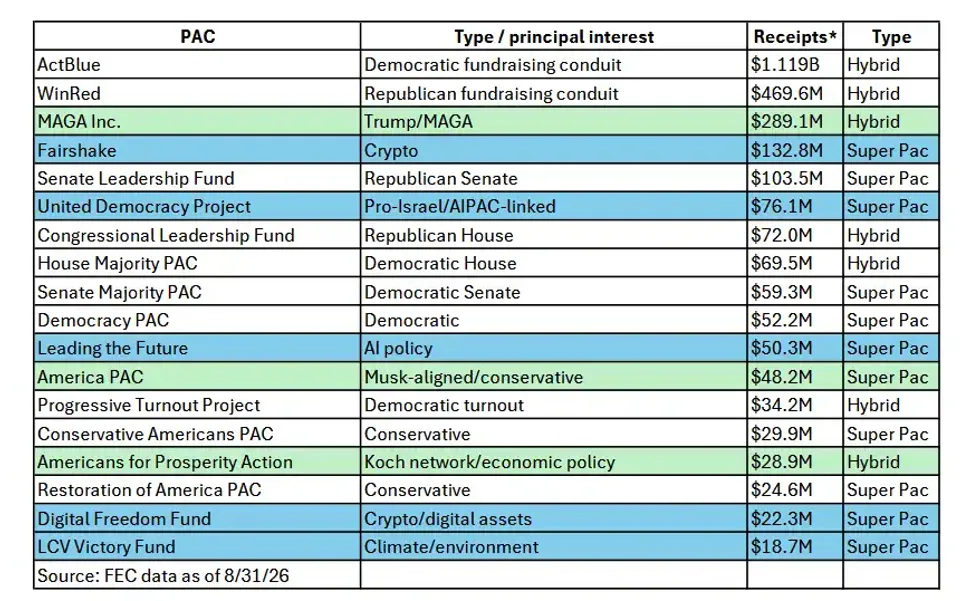 In terms of money flowing through the campaign-finance system, political action committees (PACs) are three times more active than candidates running for reelection or office. That is concentrated political power that leaves many congressional candidates running for reelection or office dependent on PAC support.