Skip to content
Search

Latest Stories

Follow Us:
Top Stories

Podcast: How Democrats can harness grassroots energy

Podcast: How Democrats can harness grassroots energy

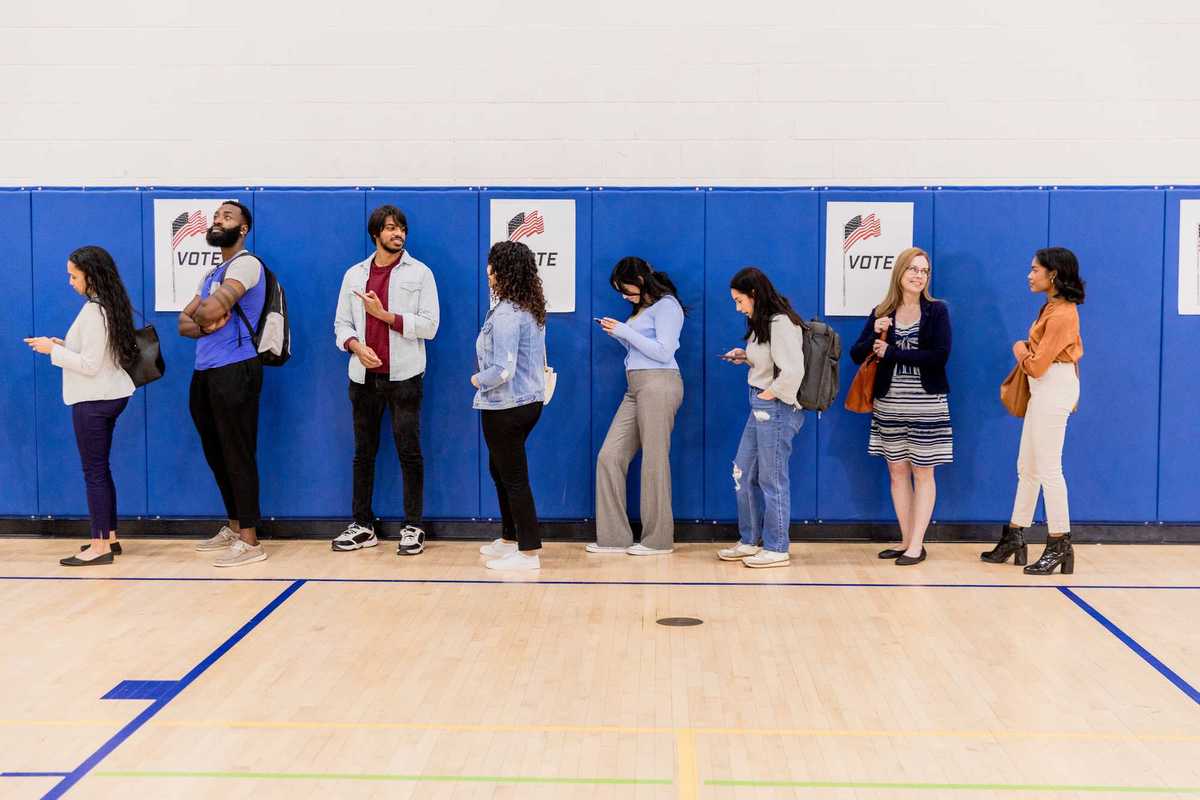
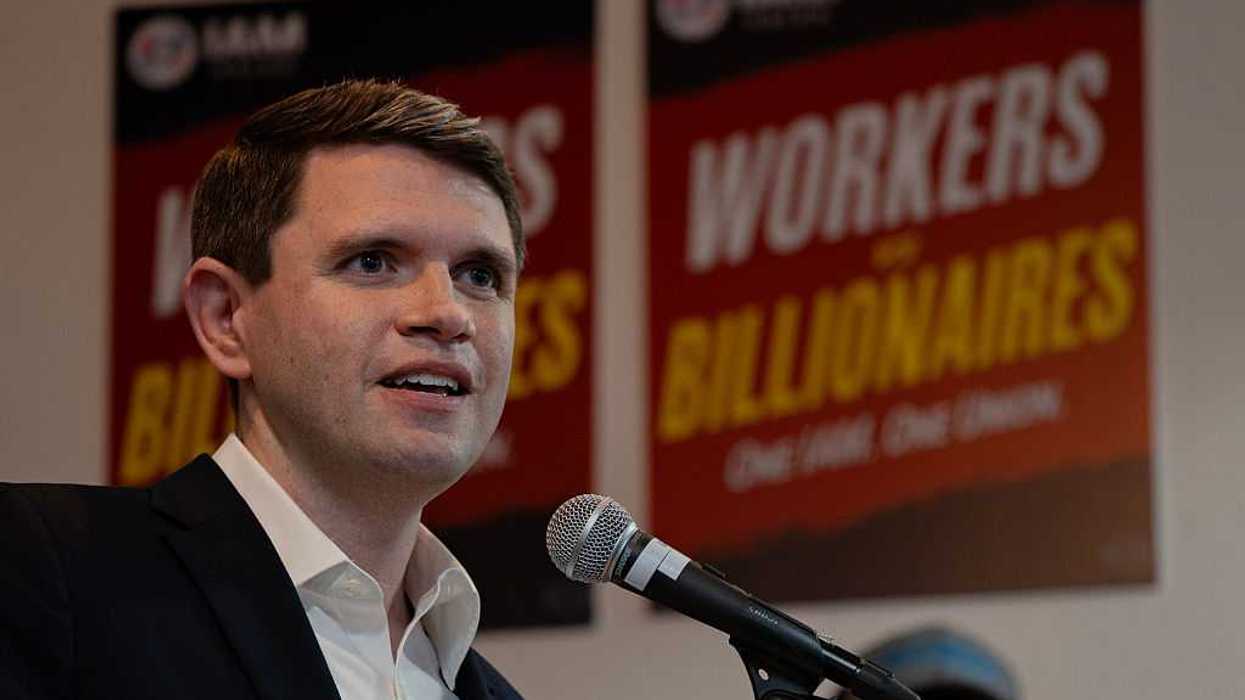
The Democratic Party saw a surge in grassroots activism after the 2016 election, after George Floyd's murder, and most recently after the Dobbs decision. However, the party seems to be sticking to the same old playbook of fundraising emails and text messages, rather than building long-term organizational power.

This episode’s guests explore why that is and how the Democratic Party can use grassroots momentum to build and expand coalitions. Lara Putnam is professor of history at the University of Pittsburgh and previously appeared on the podcast ahead of the 2018 midterms. Micah L. Sifry is the founder of Civic Hall and writes The Connector newsletter on Substack.


https://open.spotify.com


Read More

How Fairness, Stability and Freedom Can Help Us Build Demand for Transformative, Structural Change

Claiming Contested Values

FrameWorks Institute

How Fairness, Stability and Freedom Can Help Us Build Demand for Transformative, Structural Change

Claiming Contested Values: How Fairness, Stability and Freedom Can Help Us Build Demand for Transformative, Structural Change, produced by the FrameWorks Institute, explores how widely shared yet politically contested values can be used to strengthen public support for systemic reform. Values are central to how advocates communicate the importance of their work, and they can motivate collective action toward big, structural changes. This has become especially urgent in a climate where executive orders are targeting diversity, equity, and inclusion initiatives, and some nonprofits are being labeled as threats based on their stated missions. Many civil society organizations are now grappling with how to communicate their values effectively and safely.

The report focuses on Fairness, Stability, and Freedom because they resonate across the U.S. public and are used by communicators across the political spectrum. Unlike values more closely associated with one ideological camp — such as Tradition on the right or Solidarity on the left — these three values are broadly recognizable but highly contested. Each contains multiple variants, and their impact depends on how clearly advocates define them and how they are paired with specific issues.

Keep ReadingShow less
America’s Human Rights Reports Face A Reckoning Ahead of Feb. 25th
black and white labeled bottle
Photo by Markus Spiske on Unsplash

America’s Human Rights Reports Face A Reckoning Ahead of Feb. 25th

The Trump administration has already moved to erase evidence of enslavement and abuse from public records. It has promoted racially charged imagery attacking Michelle and Barack Obama. But the anti-DEI campaign does not stop at symbolic politics or culture-war spectacle. It now threatens one of the United States’ most important accountability tools: the State Department’s annual Country Reports on Human Rights Practices.

Quiet regulatory changes have begun to hollow out this vital instrument, undermining America’s ability to document abuse, support victims, and hold perpetrators to account. The next reports are due February 25, 2026. Whether they appear on time—and what may be scrubbed or withheld—remains an open question.

Keep ReadingShow less
Reducing the Influence of Money in Presidential Politics is Within Our Reach, from where we Least Expect it: the Electoral College

American flag funnel with money

Illustration provided

Reducing the Influence of Money in Presidential Politics is Within Our Reach, from where we Least Expect it: the Electoral College

Reducing the influence of money pouring into presidential politics since the 2010 Citizens United decision may actually be possible by addressing the "winner-take-all" (WTA) structure of the Electoral College. By changing how electoral votes are allocated, the incentive to concentrate money in a few swing states could be reduced.

The winner-take-all (WTA) feature of the Electoral College narrows the focus of massive campaign expenditures in a “Funnel Effect”* to a handful of closely divided battleground states. Because candidates have little to gain from spending in states where they are comfortably ahead or hopelessly behind, they concentrate all their financial resources on 15 or 16 states, or in some cycles, as few as seven key swing states. All this could change if the "battleground state" phenomenon were taken away from the wealthy, as the National Popular Vote Interstate Compact (NPVIC) would accomplish.

Keep ReadingShow less