
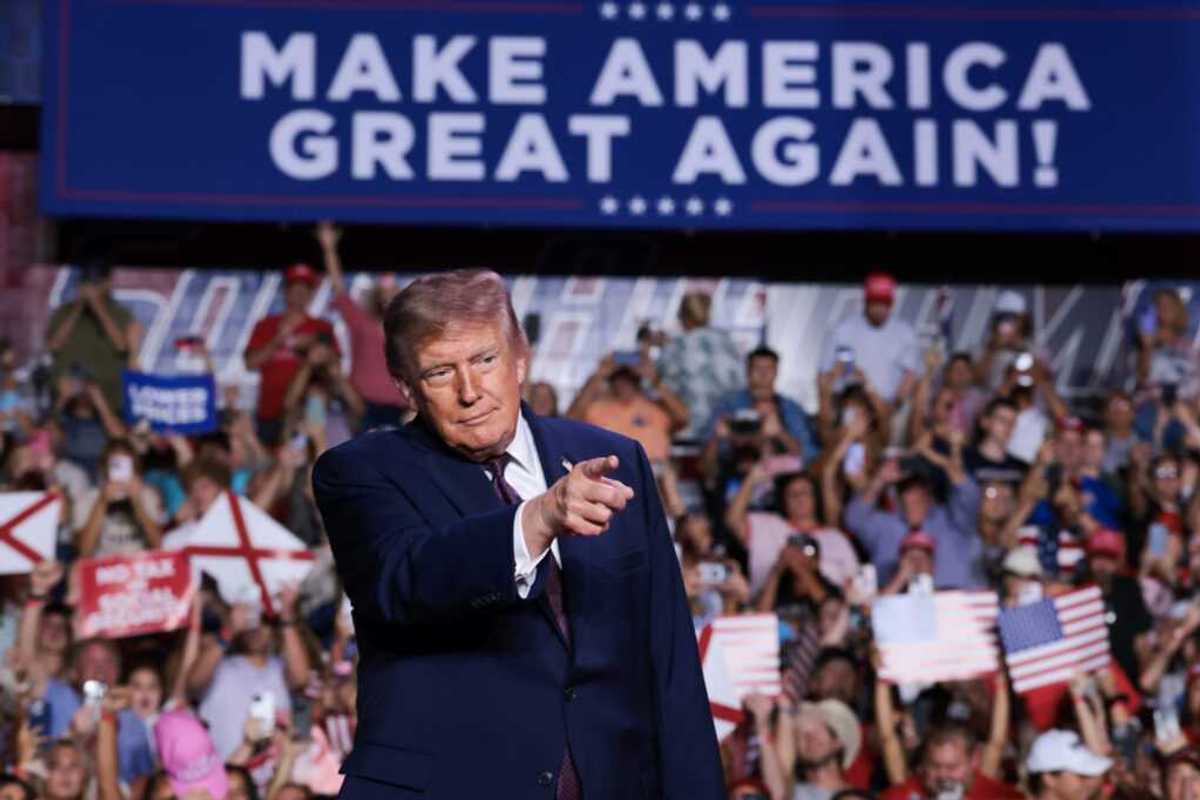



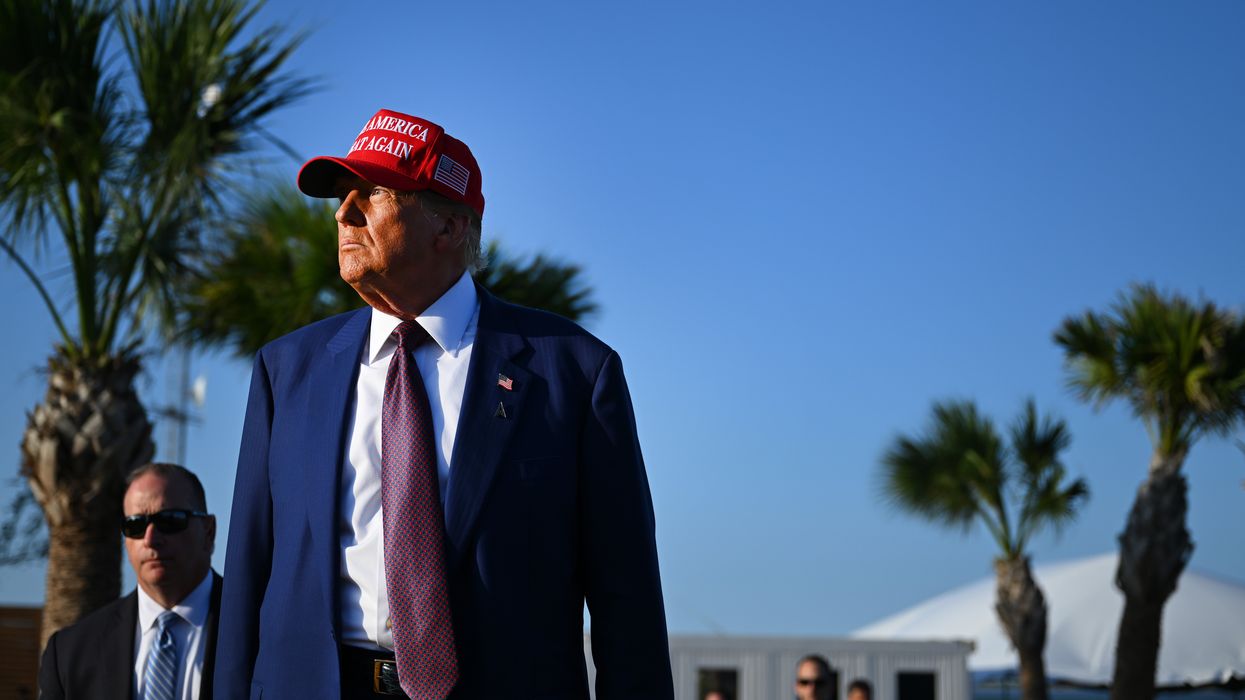

What has become of America’s presidency? Once a symbol of dignity and public service, the office now appears chaotic, ego‑driven, and consumed by spectacle over substance. When personal ambition replaces accountability, the consequences extend far beyond politics — they erode trust, weaken institutions, and threaten democracy itself.
When leaders place ego above accountability, democracy falters. Weak leaders seek to appear powerful. Strong leaders accept responsibility.
Americans want leaders who embody honesty, humility, and respect — values we teach our children. When leaders abandon these qualities, the nation’s character suffers.
The president’s public behavior is defined by bullying and humiliation — mocking governors as “fat” or “ugly,” calling citizens “pigs,” and ridiculing reporters on live television. These are not displays of strength but symptoms of insecurity. Research shows ethical leaders demonstrate humility and accountability, not cruelty (Frontiers in Psychology).
The pandemic revealed the cost of ego. In October 2020, when hospitalized with COVID‑19, the president staged a balcony moment by removing his mask after leaving Walter Reed (BBC). What could have modeled humility became a performance of ego instead.
Ego unchecked is most dangerous in matters of war and peace. Leaders who bypass Congress or claim unilateral authority erode constitutional balance (Congressional Research Service). Oversight is not an obstacle; it is a safeguard.
A healthy ego gives courage. An inflated ego breeds arrogance, stifles collaboration, and destroys accountability. True accountability requires humility and the willingness to admit mistakes. Instead, ego‑driven leaders pursue personal ambition — as seen in legislation like the Big Beautiful Bill or the reversal of Roe v. Wade (NPR Illinois), both ignoring the voices of millions.
These actions reveal a deeper problem: when presidents face no effective checks, they learn to exploit gaps in accountability. Long before he came to the White House, Trump had already mastered the art of loopholes — in business, in taxes, and in government. He bragged about finding ways around rules, and each time institutions failed to enforce boundaries, his ego grew stronger, and his disregard for responsibility deepened.
Trump is a master of loopholes. In the past, he has bragged about it. He entered the White House with an already inflated ego and the practiced skill of exploiting gaps in accountability. He has never apologized or taken responsibility — he sues and moves on. If citizens could sue him directly, he would drown in lawsuits.
Ego is not confined to the presidency. Members of Congress who evade accountability and justices who fail to uphold their oaths also reveal how inflated egos corrode trust. When legislators place loyalty above courage, or when judges prioritize ideology over integrity, democracy suffers. This is not a partisan problem — it is a bipartisan failure of character.
The consequences of loopholes are not abstract. In a dialysis center, patients and nurses feel the weight of policies shaped by ego and neglect. When leaders exploit gaps in accountability, the result is cuts to care, understaffed facilities, and exhausted professionals. Citizens see firsthand that when ego drives decisions, it is their health, dignity, and trust that suffer.
History reminds us that unchecked leaders rarely stop at one abuse of power. When accountability is absent, ego expands. Past presidents who evaded responsibility left scars on the nation, proving that democracy cannot survive without boundaries.
Chaotic governance is not just embarrassing; it is dangerous. Spectacle displaces stewardship, and ego replaces service. Fiscal spectacle had consequences, with record deficits documented by ConsumerAffairs and the Peter G. Peterson Foundation. These numbers reflect chaos rather than disciplined governance.
The damage extends beyond budgets. Ego corrodes institutions, dampens morale, and erodes trust. Staff and advisors navigate a hostile environment where flattery is demanded and honesty punished. Citizens disengage, exhausted by insults and spectacle.
Accountability requires courage from those closest to power. Cabinet members must stop offering fake praise simply to inflate the president’s ego. He nominated a cabinet for loyalty, not competence — a chorus of enablers feeding his insecurity. Weak leaders demand applause; strong leaders accept responsibility. Cabinet officials must replace flattery with honesty and confront ego rather than enable it.
We have observed citizens switching the television channel when governance becomes a spectacle of insults. This disengagement is not apathy; it is a reaction to chaos that undermines trust. The spectacle of insults is well documented, with dozens of personal attacks directed at officials, citizens, and reporters.
Americans want leaders with a healthy ego — one grounded in confidence, humility, and service. A healthy ego empowers others, listens to experts, and accepts responsibility. An unhealthy ego demands applause, silences dissent, and rewards flattery.
Finding solutions will not be easy. It will take persistence, courage, and vigilance because the president has rarely been checked. Ego, this inflated, resists boundaries. However, Congress is not powerless. Through its power of the purse, it can curb reckless spending. Through hearings and subpoenas, it can expose misconduct. And through its confirmation authority, the Senate can demand integrity in appointments. Oversight is not obstruction; it is the safeguard of democracy.
The Supreme Court must also act. Judicial review is not obstruction; it is a safeguard against ego‑driven overreach. The Court can revisit or overturn immunity doctrines that shield presidents from accountability. By reaffirming that no leader is above the law, the Court can restore balance and protect the integrity of our democracy.
The call is clear: Citizens must reclaim democracy. Your voice, your vote, your vigilance — these are the tools we must employ to restore integrity to leadership and help the president check his own ego. Accountability is not punishment; it is patriotism. Integrity is not optional; it is the cornerstone of a free society.
And citizens must go further: demand that your senators and representatives at the local, state, and national levels hold the president accountable. Democracy cannot survive if elected officials remain silent or complicit.
The presidency is not a stage for ego. It is a trust, sworn by oath, to serve the people. When leaders abandon accountability, they abandon democracy itself. Democracy will survive only if citizens persist, demand courage, enforce accountability, and refuse to be silenced.
Carolyn Goode is a retired educational leader and advocate for ethical leadership and government accountability.


 Ben Droz
 Ben Droz





The President Invited Iran to Bomb My Home