

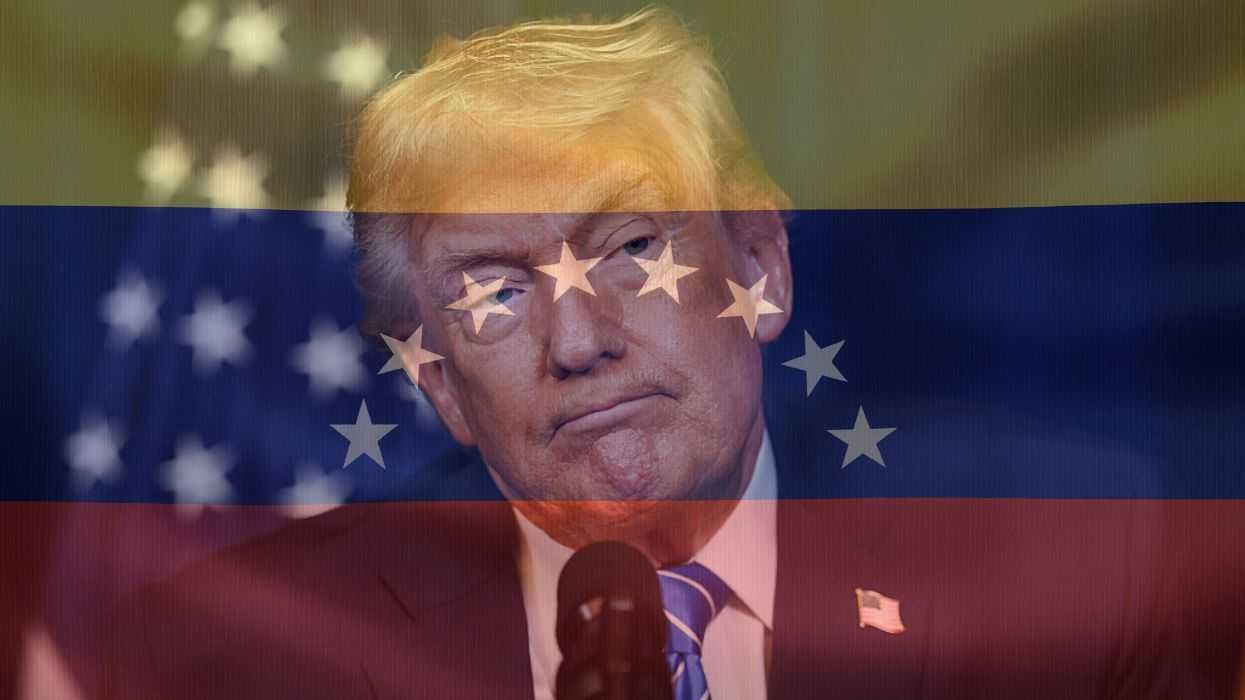
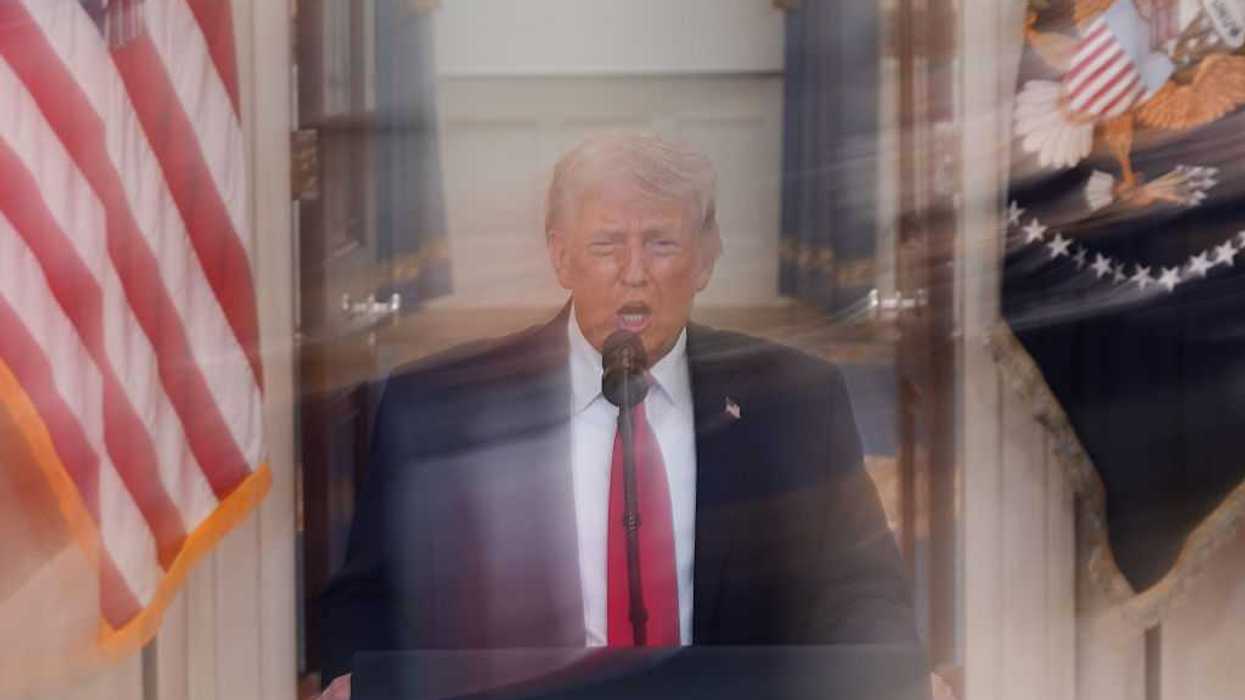
CARACAS, Venezuela — Hours after U.S. forces captured Venezuelan President Nicolás Maduro in a large‑scale military operation, President Donald Trump said the United States would “run the country” until a “safe, proper, and judicious transition” can take place. The comments immediately triggered a global debate over who should govern Venezuela during the power vacuum left by Maduro’s removal.
Trump said Venezuelan Vice President Delcy Rodríguez had been sworn in as interim president.The president said that “we’ve spoken to her [Rodriguez] numerous times, and she understands, she understands.” However, Rodríguez, speaking live on television Saturday, condemned the U.S. attack and demanded "the immediate release of President Nicolas Maduro and his wife Cilia Flores. The only president of Venezuela, President Nicolas Maduro."
With Maduro detained and flown to the United States to face federal charges, Venezuela now confronts a constitutional crisis, competing claims to authority, and intense international scrutiny.
Under Article 233 of the Venezuelan Constitution, the vice president assumes power when the presidency is vacated. That makes Rodríguez, Maduro’s longtime deputy, the constitutional successor.
Rodríguez has served as vice president since 2018 and has been central to Maduro’s political apparatus. State media reported she was coordinating emergency communications after the U.S. operation, though independent confirmation remains limited.
Analysts warn that Venezuela’s military high command may assert control during the crisis. Defense Minister Vladimir Padrino López has vowed that Venezuela will “prevail” and “not negotiate” with the United States.
Several opposition leaders—long sidelined under Maduro—are now being discussed as potential successors.
Some analysts view Nobel Peace Prize recipient and prominent opposition figure María Corina Machado as a leading contender. Experts told Fox News she and ally Edmundo González have broad public support.
Recognized by the United States as the legitimate winner of Venezuela’s disputed 2024 election, Edmundo González is also considered a viable transitional leader.
Opposition groups argue that a civilian‑led transition is essential to restoring democratic institutions.
President Trump has said the United States will be “very involved” in determining Venezuela’s next leader, arguing that Washington cannot allow “somebody else” to take over and recreate the conditions that existed under Maduro.
Trump’s assertions that the United States will “run the country,” maintain a “partnership” with Venezuela’s oil industry during the transition, and keep American forces positioned for additional action have intensified concerns about U.S. overreach and the legality of unilateral intervention.
Governments across Latin America have expressed alarm at the prospect of U.S. administration of Venezuela.
“The Colombian government rejects the aggression against the sovereignty of Venezuela and Latin America,” Petro said, urging an immediate meeting of the United Nations Security Council, where Colombia currently holds a seat.
In Chile, outgoing President Gabriel Boric also condemned the attack. But President‑elect José Antonio Kast — who campaigned on promises to crack down on migration and crime — struck a sharply different tone. In a post on X, he called Maduro’s arrest “great news for the region.”
“Now begins a greater task. The governments of Latin America must ensure that the entire apparatus of the regime abandons power and is held accountable,” said Kast, who will be sworn in on March 11.
Venezuelan officials have condemned the U.S. operation as a “grave military aggression” and accused Washington of violating international law.
Venezuela faces a volatile and uncertain period. With Maduro detained abroad, competing factions—constitutional, military, opposition, and foreign—are now vying to shape the country’s future.
What remains clear is that the question of who should run Venezuela is no longer merely a domestic matter. It is now a geopolitical struggle with global implications.
Hugo Balta is the executive editor of the Fulcrum and the publisher of the Latino News Network







The President Invited Iran to Bomb My Home