
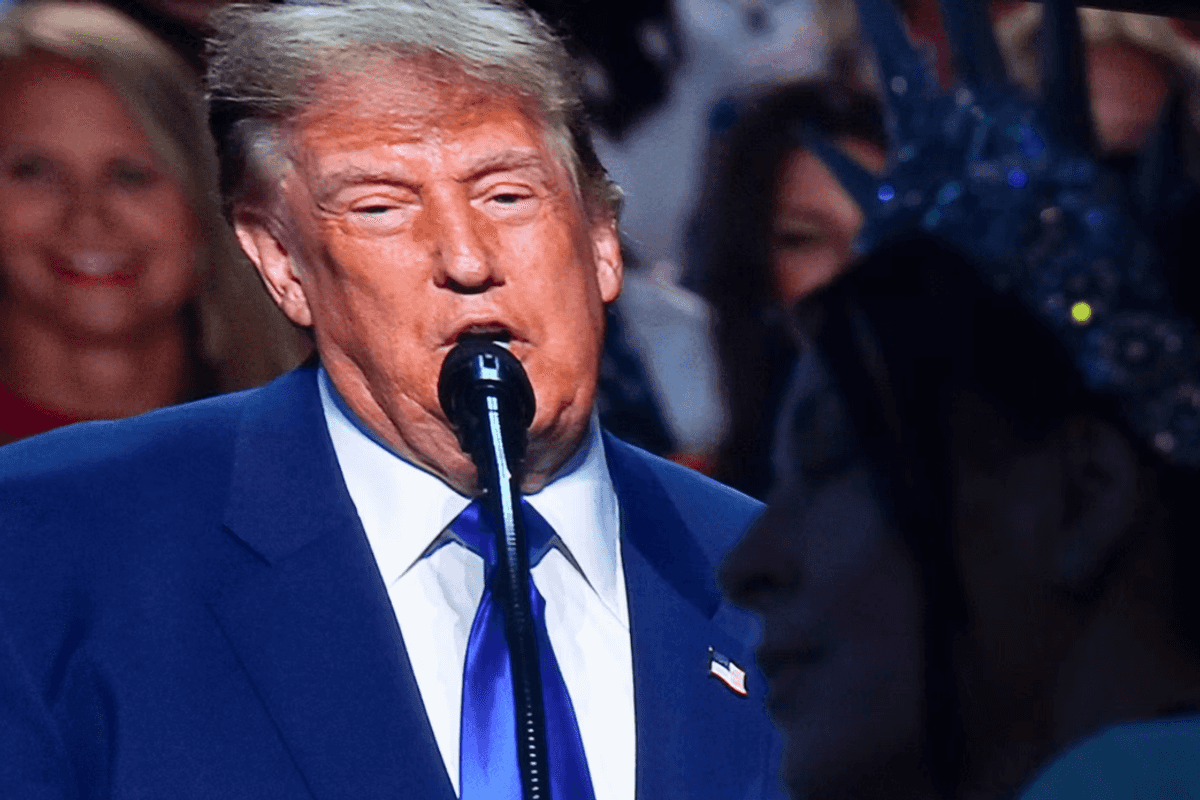

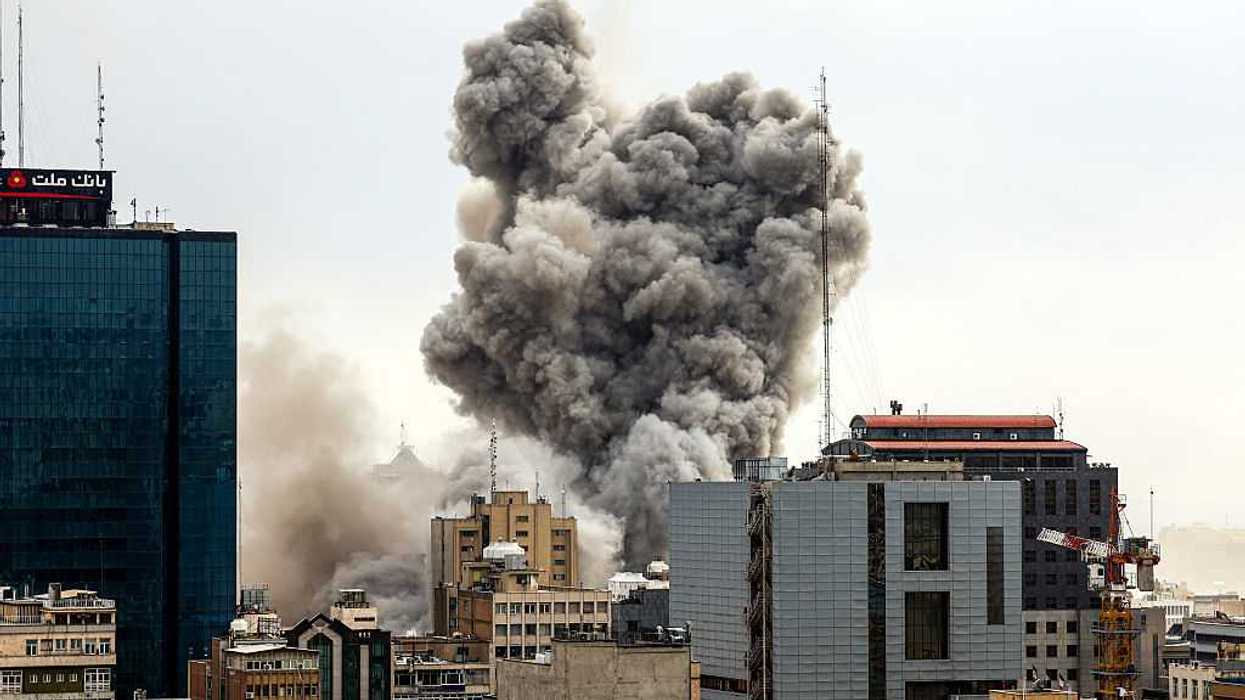

The U.S. and Israel’s joint military campaign against Iran, which rolled out under the name Operation Epic Fury, is a phrase that sounds more like a summer action film than a real‑world conflict in which people are dying. The operation involves massive strikes across Iran, with U.S. Central Command reporting that more than 1,700 targets have been hit in the first 72 hours. President Donald Trump described it as a “massive and ongoing operation” aimed at dismantling Iran’s military capabilities.
This framing matters. When leaders adopt language that emphasizes spectacle, they risk shifting public perception away from the gravity of war. The death of Iran’s supreme leader following the bombardment, for example, was a world‑altering event, yet it unfolded under a banner that evokes adrenaline rather than anguish.
The name Epic Fury does more than describe military action; it markets it. It suggests inevitability, righteousness, and even entertainment value. But war is not entertainment. It is destruction, displacement, and death. When language sanitizes or glamorizes violence, it becomes harder for the public to grapple with the ethical stakes of military force.
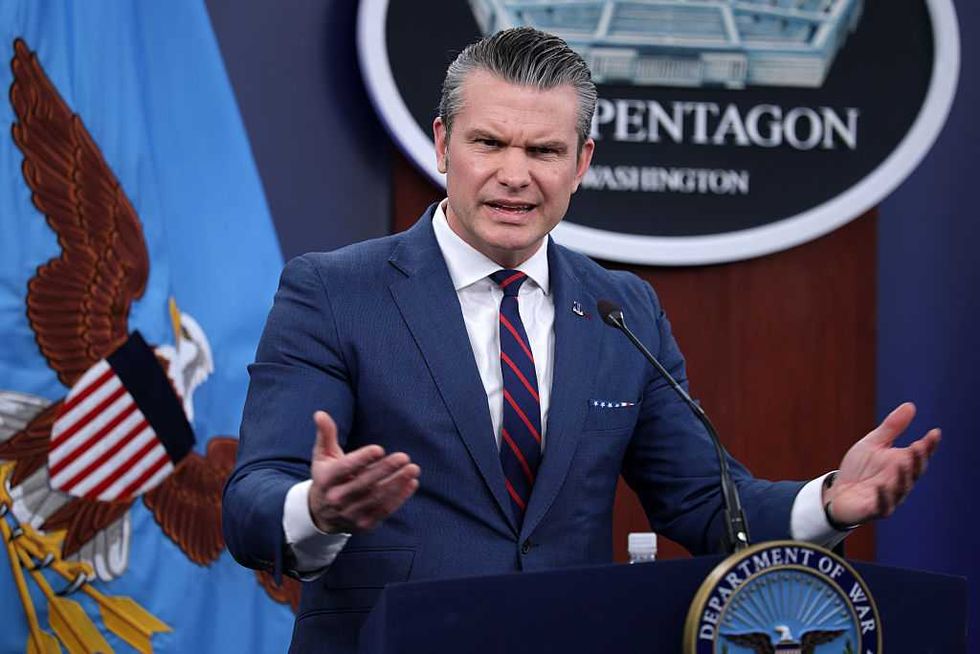 U.S. Secretary of War Pete Hegseth speaks during a news conference at the Pentagon on March 2, 2026 in Arlington, Virginia. Secretary Hegseth and Chairman of the Joint Chiefs of Staff General Dan Caine held the news conference to give an update on Operation Epic Fury. (Photo by Alex Wong/Getty Images) (Photo by Alex Wong/Getty Images)
In his first briefing, Defense Secretary Pete Hegseth said, “Two days ago, under the direction and direct orders of President Donald J. Trump, the Department of War launched Operation Epic Fury, the most-lethal, most-complex and most-precise aerial operation in history." The phrasing is unmistakably promotional—“most-lethal,” “most-complex,” “most-precise”—as though he were unveiling a new weapons platform or a blockbuster film rather than describing a real military campaign in which real people are dying.
Hegseth’s language repeatedly frames the conflict as a long-awaited moment of righteous vengeance. He describes Iran’s actions over the past 47 years as a “savage, one-sided war against America,” and casts the U.S. response as “our retribution against their ayatollah and his death cult.” He tells the public, “If you kill Americans, if you threaten Americans anywhere on Earth, we will hunt you down without apology and without hesitation, and we will kill you.” This is not the sober language of a statesman explaining the gravity of war. It is the language of a revenge narrative—one that reduces complex geopolitical realities to a simple morality play.
The danger of this rhetoric is not merely stylistic. It shapes how the public understands the conflict. When Hegseth boasts that “America… is unleashing the most lethal and precise air power campaign in history” and celebrates the absence of “stupid rules of engagement” or “politically correct wars,” he is not simply describing military strategy. He is signaling that restraint, proportionality, and international law are obstacles to be discarded. He is inviting the public to view the overwhelming force not only as justified but also exhilarating.
This framing obscures the human consequences of the operation. Iranian cities have been struck repeatedly. Civilian infrastructure has been damaged. Families are fleeing. Hospitals are overwhelmed. These realities are nowhere in Hegseth’s remarks. Instead, he speaks of “epic fury,” “lethality,” and a “generational turning point,” as though the suffering of ordinary people is irrelevant to the story he wants to tell. Even when acknowledging American casualties, he uses them to justify further escalation: “No apologies, no hesitation, epic fury for them and the thousands of Americans before them taken too soon by Iranian radicals.”
The rhetoric also encourages a dangerous sense of inevitability and triumphalism. Hegseth tells U.S. troops, “We are not defenders anymore. We are warriors, trained to kill the enemy and break their will.” He assures them, “We will finish this on America-first conditions of President Trump’s choosing, nobody else’s.” This is not the language of limited, carefully calibrated military action. It is the language of totalizing conflict—conflict framed as destiny, as purification, as a test of national character.
When war is framed this way, dissent becomes harder. Nuance becomes suspect. Civilian casualties become collateral to a narrative of righteous fury. And the public becomes more likely to accept open-ended conflict when it is packaged as a spectacle rather than a tragedy.
The United States has a long history of naming military operations in ways that evoke purpose or resolve—Desert Storm, Enduring Freedom, Inherent Resolve. But Epic Fury marks a shift toward something more explicitly theatrical. It is not a name meant to clarify objectives or communicate seriousness. It is a name meant to excite, to dramatize, to sell.
War is not a product. It is not a storyline. It is not a moment for branding. It is a human catastrophe, even when undertaken for reasons leaders deem necessary. When officials adopt language that glamorizes violence and reduces geopolitical complexity to a revenge narrative, they erode the public’s ability to understand the true stakes of military action.
The question now is whether the public will accept this Hollywood‑style packaging of war—or whether it will demand a return to language that reflects the gravity of life, death, and the responsibilities of a democratic nation.
Hugo Balta is the executive editor of The Fulcrum and the publisher of the Latino News Network









The President Invited Iran to Bomb My Home