


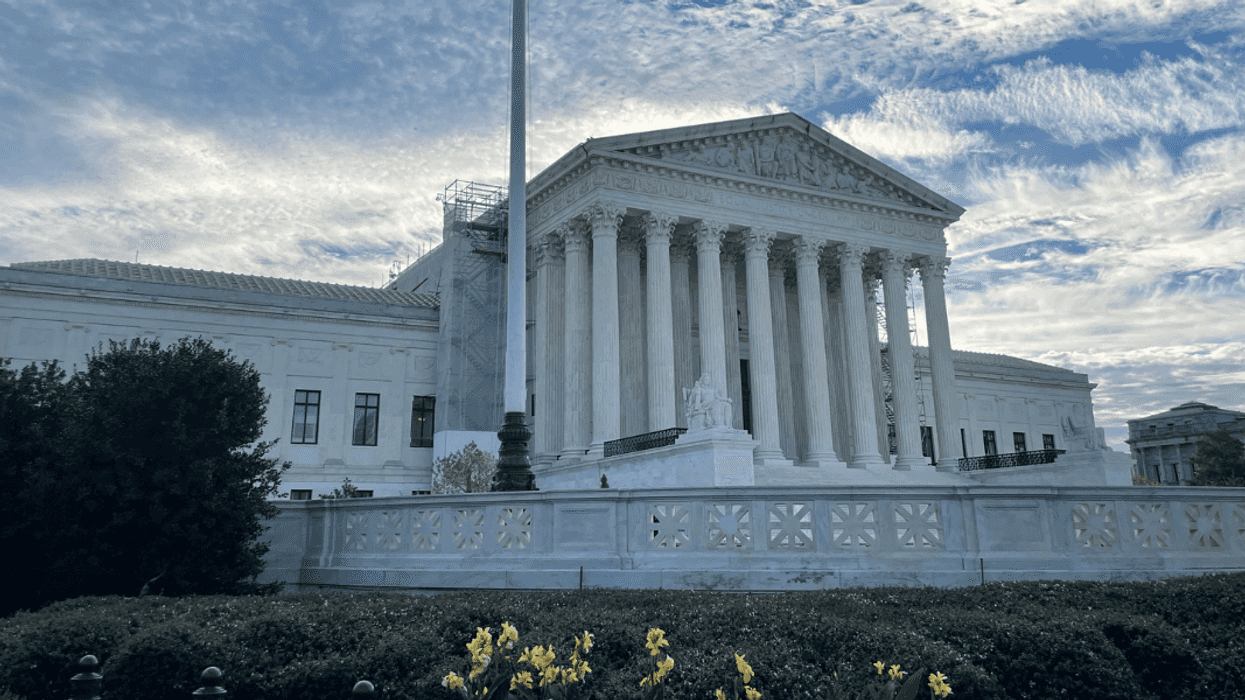

The Supreme Court heard more than two hours of argument in Trump v. Barbara, the case testing the constitutionality of President Donald Trump’s executive order on birthright citizenship. Trump himself sat in the courtroom for part of the session, the first time a sitting president has done so. The moment was striking not only for its symbolism but also for what it revealed: a direct challenge to a constitutional principle that has defined American identity for more than 150 years.
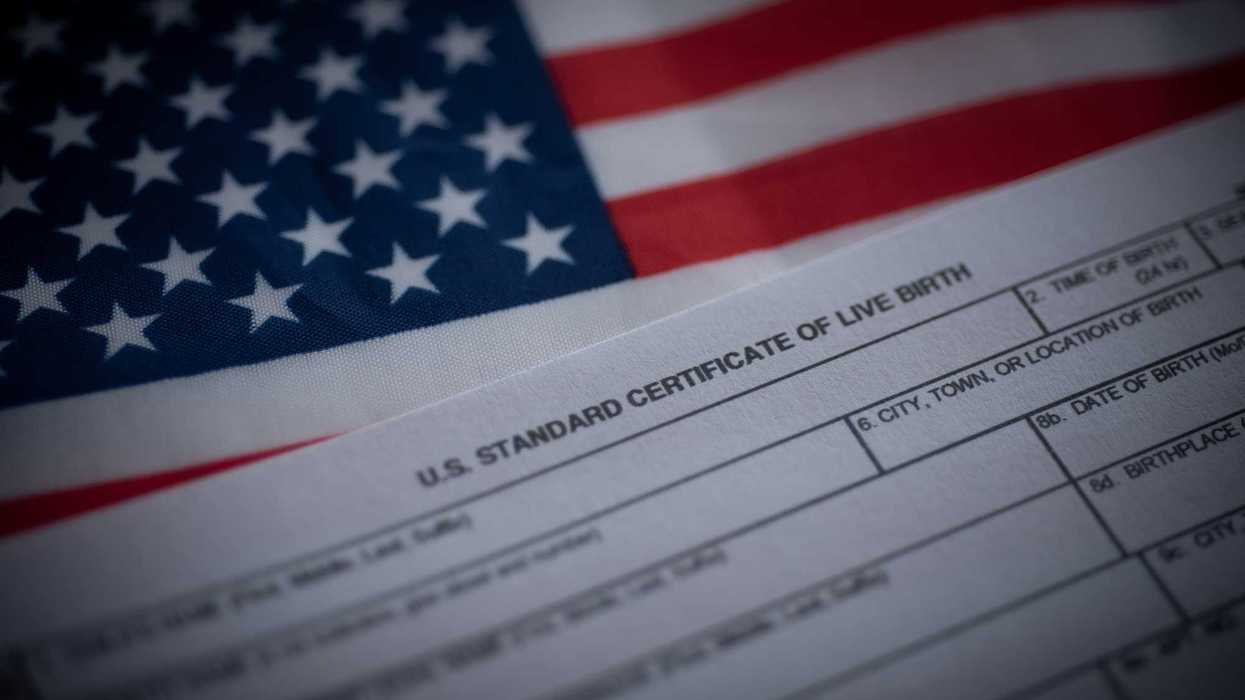
The executive order, codified as Executive Order 14160 in January 2026, directs federal agencies not to recognize automatic citizenship for children born in the United States to undocumented parents or to parents on temporary visas. It turns on the opening words of the 14th Amendment: “All persons born or naturalized in the United States, and subject to the jurisdiction thereof, are citizens of the United States and of the State wherein they reside.” The administration reads “subject to the jurisdiction” narrowly. It argues that the phrase requires full political allegiance and permanent domicile, conditions that undocumented immigrants and short-term visa holders do not meet. The challengers, led by the American Civil Liberties Union on behalf of a plaintiff identified as Barbara, insist the clause was meant to be sweeping. They point to the common-law tradition of jus soli - citizenship by place of birth - that the framers of the amendment knew and endorsed.
History favors the broader view. The 14th Amendment was ratified in 1868 to overturn the Dred Scott decision and secure citizenship for freed slaves and their descendants. In United States v. Wong Kim Ark in 1898, the Supreme Court applied the clause to the child of Chinese immigrants legally resident in the United States, even though their home country claimed them as subjects. The Court has never limited citizenship to children of parents with permanent domicile. Lower courts have uniformly struck down the executive order on these grounds.
Yet the justices’ questions on Wednesday showed they were alive to the practical difficulties. Several asked how the rule would work in a hospital delivery room. Chief Justice John Roberts reminded the solicitor general that the Constitution had not changed, noting that the government's historical examples for a narrow reading appeared "very quirky." Conservative justices appointed by Trump joined liberals in pressing the government on whether its interpretation could be squared with precedent or would require the Court to rewrite settled law. The skepticism was notable because the case arrived after the Court’s 2025 ruling that limited the scope of nationwide injunctions, clearing a procedural path for the policy to reach the merits.
The debate is not abstract. Birthright citizenship has long set the United States apart. Most countries grant citizenship primarily by descent - jus sanguinis. In Pakistan, as in India and much of Europe and Latin America, a child acquires citizenship through a parent’s nationality rather than the accident of birthplace. The American exception was deliberate. It reflected a nation built by immigrants and a conscious break from Old World notions of blood and soil. It has helped turn waves of arrivals into citizens within a generation.
That system now operates in a different world. Unauthorized immigration has increased sharply in recent years. Polls show Americans are divided. A clear majority supports citizenship for children of legal immigrants, but opinion splits almost evenly when the parents are undocumented. Support for the status quo is higher among Democrats, Latinos, and younger voters; opposition is stronger among Republicans and those concerned about border security.
The executive order does not seek to amend the Constitution or pass new legislation. It attempts to reinterpret existing text to address what its supporters see as an incentive for illegal entry and birth tourism. The latter phenomenon, though limited, has drawn attention for years. The order would not strip citizenship from anyone already born; it would apply prospectively. Still, a decision to uphold it would create a new category of children born on American soil but not American citizens. They would face uncertain legal status, potential statelessness, and barriers to education and opportunity that their parents never intended to bequeath.
From outside the United States, the stakes look different. Many countries tightened their own citizenship rules decades ago precisely to manage migration pressures. Britain, Australia, and Ireland all moved away from pure jus soli. They did so through legislation, not executive decree or judicial reinterpretation. The American process is more constrained, which is why the Court’s eventual ruling - expected by early summer - matters so much. If the justices narrow the clause, they will have adjusted a foundational element of national identity through constitutional construction rather than democratic amendment. If they preserve the traditional reading, they will affirm that the 14th Amendment’s promise remains intact despite modern realities.
Either choice carries risks. A narrow ruling could reduce one pull factor in migration, but at the cost of complicating the integration of children who grow up American in every practical sense. A broad ruling would maintain the existing rule but leave Congress with the harder task of addressing illegal immigration through enforcement and legislation rather than a shortcut in citizenship law. The framers of the 14th Amendment wrote in the shadow of the Civil War and emancipation. They chose a generous language because they believed a stable republic required a clear and inclusive definition of membership. The justices now face a different set of facts but the same constitutional text.
The hearing did not settle the question. It did, however, force a reckoning with what American citizenship has meant and what it might come to mean. In an age when borders are porous and identities are fluid, the United States must decide whether its exceptional rule of soil still serves the country’s interests or whether the time has come to align more closely with the rest of the world. The Court’s answer will not rewrite history, but it will help determine the terms on which future generations enter the American story.
Imran Khalid is a physician, geostrategic analyst, and freelance writer.












The President Invited Iran to Bomb My Home