
Black Kentuckians are being erased from democracy. The over-policing in Black and Brown communities, combined with the state’s voter disenfranchisement laws (the highest in the nation), prevents 1 out of 4 Black Kentuckians from voting.
Citizenship in a sovereign nation-state means being recognized as a member of a political community, and that recognition is not symbolic. It is exercised through shaping the society you live in and having your voice counted through voting. A vote is not a privilege; it is the very mechanism through which citizenship manifests.
So when that right is stripped away, the question becomes: can a person be subject to the laws of a state, pay taxes, raise children, build communities, and still be denied the most fundamental act of civic membership? For 1 in 4 Black Kentuckians, the answer has been yes.
As Kentucky heads into its May primary and November general elections, thousands of Black Kentuckians will be unable to exercise their civic rights.
For a long time, I have heard black Kentuckians discuss the complicated relationship between their communities and electoral processes. Attending a Kentucky college that emphasizes civic and community engagement, I have spent significant time connecting with Black Kentuckians through programming, research, and student organizing. I am currently working on a project with Black in Appalachia, and part of it involves exploring how Black Kentuckians and Black queer Kentuckians conceptualize their civic existence.
Kentuckians for the Commonwealth (KFTC) and the ACLU of Kentucky are working hard to advocate for voter registration and rights restoration, assisting individuals incarcerated in Kentucky in their efforts to restore their voting rights through Governor Beshear’s 2019 executive order. At the legislative level, there is an ongoing effort to pass a bipartisan constitutional amendment in 2026 that will restore voting rights to most convicted felons, eliminating any governor’s order from being involved in the process.
Even after those programs have been implemented, awareness is the biggest barrier. Even among those whose rights were restored by the executive order, only 17% have successfully registered. The response is not just legal reform. It is civic education, community outreach, and trust-building in communities that have been systematically excluded.
67% of Kentuckians support automatic voting rights restoration after sentence completion, including across party lines. States that actively inform incarcerated people of their rights see significantly higher voter registration rates, suggesting that outreach works when done intentionally.
The executive order is precarious. A future governor could reverse it at any time, as Governor Bevin demonstrated when he dismantled his predecessor’s order. The constitutional amendment, even if passed by the legislature, still requires a majority vote from the same public that has historically elected lawmakers resistant to this reform. The awareness gap also remains massive, and no state-funded education campaign currently exists to close it.
Providence Suenge is a student at Berea College pursuing a Bachelor of Arts in Psychology and Ethnic Studies.





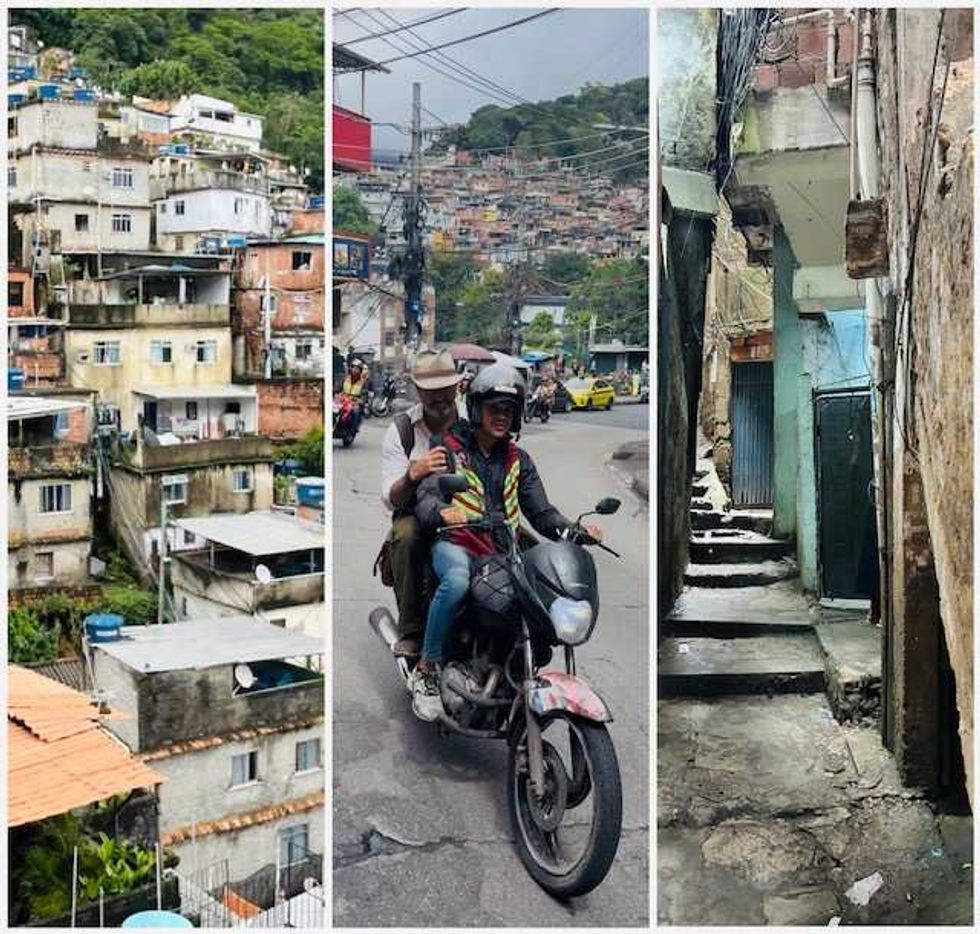 Scenes from Favela Rocinha, Brazil - (R-L) Rows of brick homes, Hugo Balta on a motorcycle taxi, and steep, winding roadsHugo Balta







 Following our HWF Civic Futures kickoff last week with Eric Liu, our design partners at Public/Official have created a unique visual to capture the “civic scaffolding” spirit of this conversation.
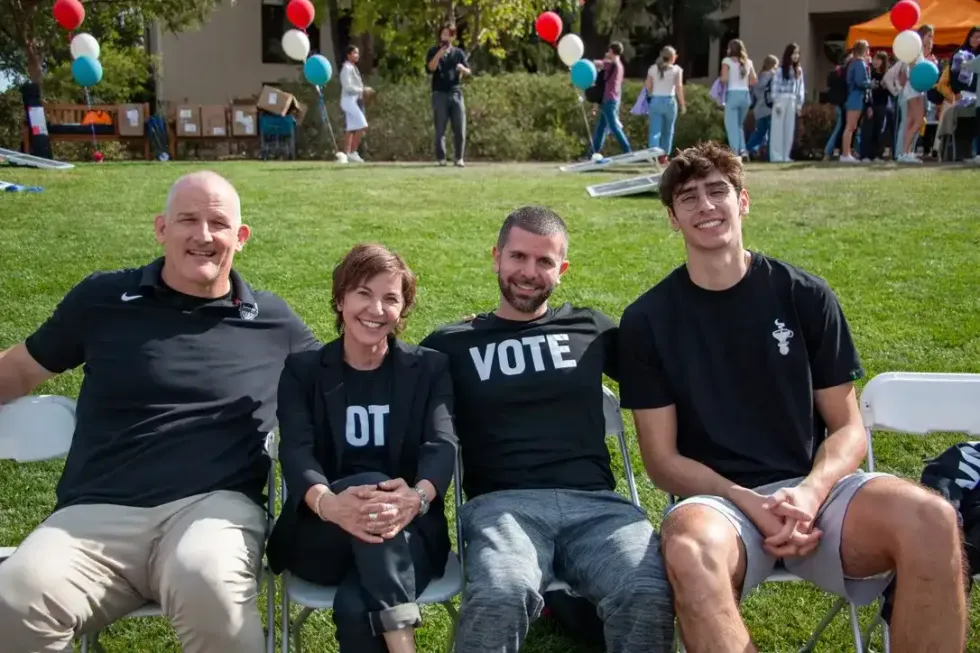 Lisa, Coaches Rev and Matt Elkin, and former Stanford Men’s Basketball star Maxime Raynaud at Stanford’s “All Vote No Play” Democracy Day, 2025