




The Fulcrum strives to approach news stories with an open mind and skepticism, striving to present our readers with a broad spectrum of viewpoints through diligent research and critical thinking. As best we can, remove personal bias from our reporting and seek a variety of perspectives in both our news gathering and selection of opinion pieces. However, before our readers can analyze varying viewpoints, they must have the facts.
As negotiations commence under a fragile two-week ceasefire, which remains uncertain, diplomats, analysts, and governments worldwide are evaluating the advantages, vulnerabilities, and unmet objectives of both parties in the conflict.
A clear understanding of the current situation is essential for evaluating the leverage each party brings to the negotiations.
This is particularly relevant in a conflict characterized by asymmetry. The United States has demonstrated the capacity to achieve large-scale military objectives rapidly and decisively, whereas Iran has secured strategically significant outcomes through unconventional or indirect methods. A realistic assessment of the evolving diplomatic landscape requires a clear account of both achievements and outstanding objectives.
Regime Change
Despite the deaths of several senior Iranian officials, including the Supreme Leader, the core structure of the regime remains intact. Mojtaba Khamenei has assumed leadership, and the governing philosophy, strategic worldview, and hard-line stance toward the United States and Israel persist. Experts note that although decapitation strikes eliminated key individuals, they did not dismantle the ideological or institutional foundations of the Iranian state, leaving the long-term strategic challenge unresolved.
Removal of Enriched Uranium
Although U.S. and Israeli strikes destroyed significant portions of Iran’s defense industrial base and nuclear-related infrastructure, Iran retains its stockpile of enriched uranium. No verified agreement or mechanism exists to remove, export, or neutralize these materials. Consequently, a central pre-war objective—preventing Iran from maintaining the components of a nuclear weapons program—remains unmet, and the long-term proliferation risk persists.
Drone and Missile Capabilities
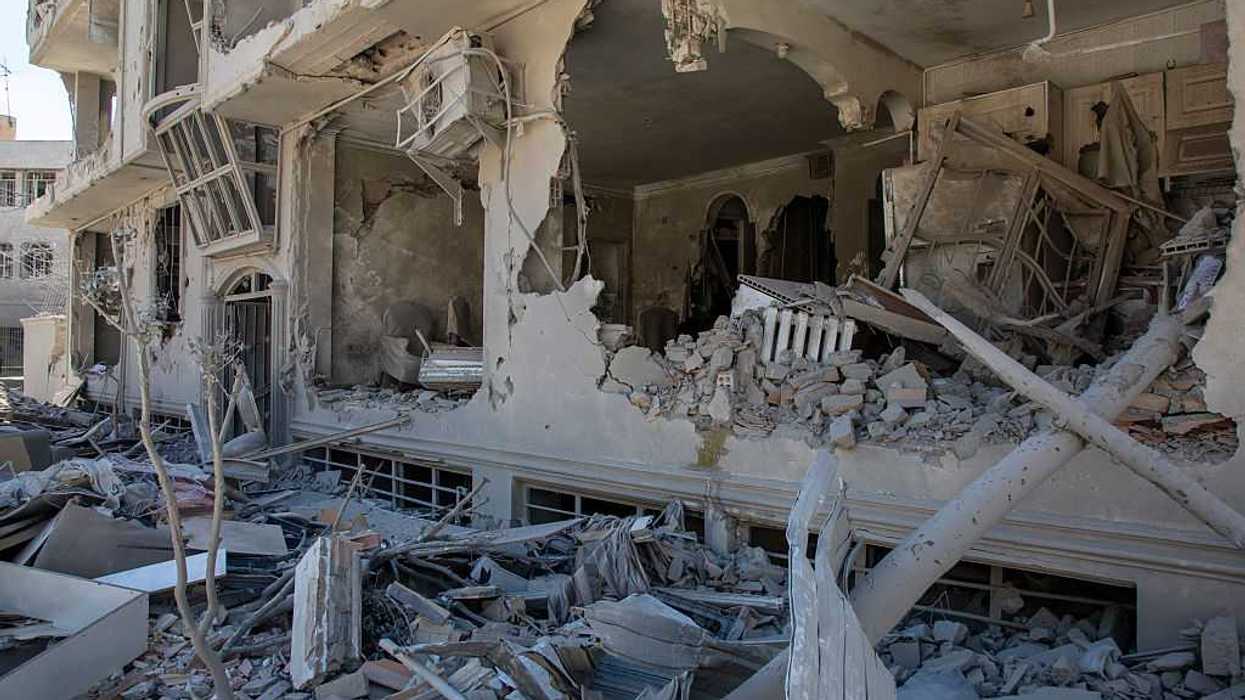
U.S. strikes have severely degraded Iran’s missile and drone programs, destroying more than 85% of its defense industrial base, including ballistic missiles, launch vehicles, and long-range attack drones. Iran’s air force has become non-operational, with daily flights dropping from 30–100 to zero. However, Iran demonstrated residual capability by downing multiple U.S. aircraft late in the conflict, indicating the presence of surviving systems or rapid adaptation. Experts estimate that, given the extent of destruction, Iran will require years rather than months to restore significant offensive capacity.
Strait of Hormuz
Prior to the conflict, Iran had the capability to disrupt the Strait of Hormuz but refrained due to concerns about overwhelming retaliation. The conflict altered this dynamic. Iran now exercises significant control over the waterway, leveraging it as a geopolitical pressure point through which approximately 20% of global oil flows. During ceasefire negotiations, Iran insisted on retaining authority over the strait, indicating that it now regards this chokepoint as a strategic asset rather than a last-resort threat. This shift introduces long-term volatility into global energy markets.
U.S. Relationship with NATO
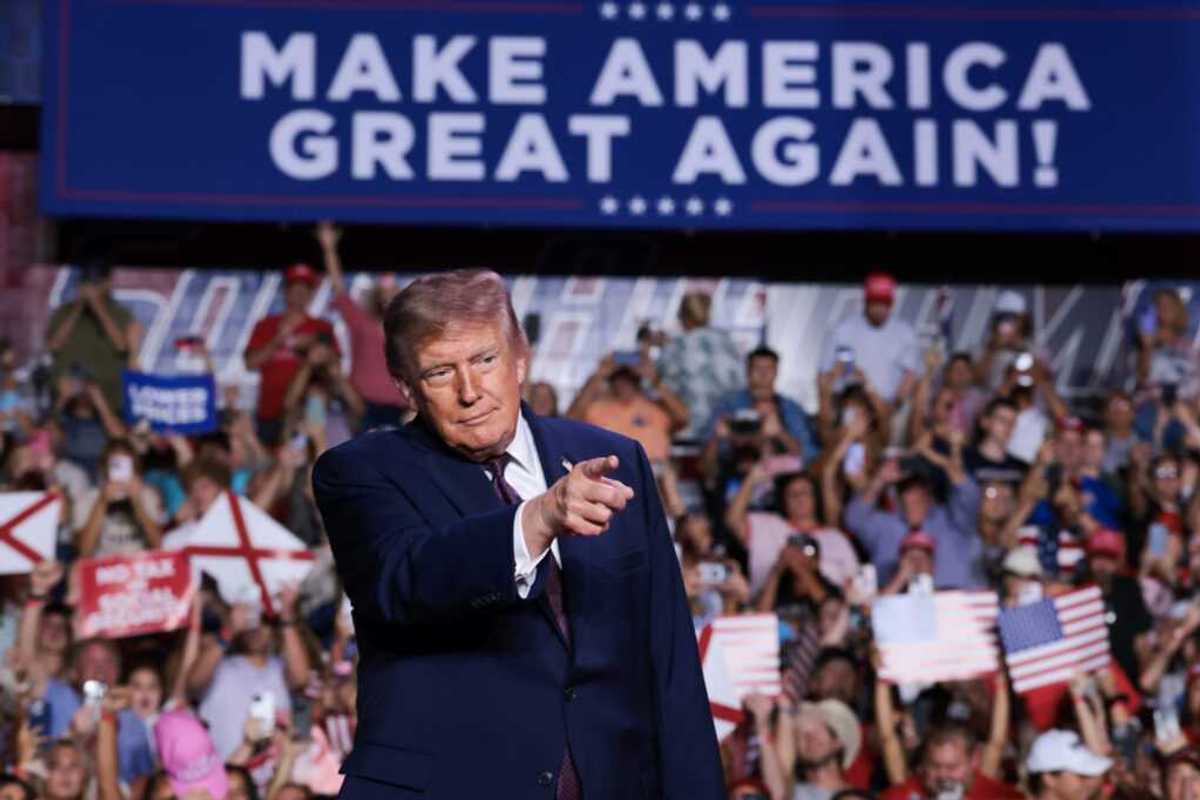
The conflict strained U.S. relations with NATO allies, many of whom declined to participate despite U.S. pressure. Reports indicate that President Trump expressed disappointment in their refusal, and diplomats warn that this divergence may complicate future coalition-building on unrelated global issues. The perception of unilateral and unpredictable U.S. actions has raised concerns among European partners regarding alignment, reliability, and shared strategic priorities.
Advantages to China and Russia
China and Russia have derived strategic benefits from the conflict. Both nations publicly praised the ceasefire and positioned themselves as diplomatic alternatives to the United States. China gains leverage as Iran seeks new economic and security partnerships, while Russia benefits from elevated global energy prices and the diversion of U.S. military attention. The destabilizing impact of the war on global markets further enhances the relative influence of both powers in regions traditionally dominated by the United States.
Assessment of Outcomes
Although the United States achieved significant battlefield successes, including the destruction of Iran’s navy, air force, and much of its missile and drone infrastructure, several of the administration’s stated political objectives remain unfulfilled. Regime change did not occur, enriched uranium remains in Iran’s possession, and Iran’s regional influence networks, including Hezbollah, continue to operate.
Regardless of the final outcome of the conflict or ongoing negotiations, both governments are likely to claim victory.
Iran has historically framed its survival as a triumph, while the United States is expected to emphasize the scale of its military achievements.
Within the United States, political reactions are likely to diverge. Commentators aligned with the Democratic Party describe the war as a strategic failure, whereas Republican voices characterize it as a decisive success.
The reality is considerably more complex, and it may require years, if not longer, to fully assess the long-term consequences of this conflict.
David Nevins is the publisher of The Fulcrum and co-founder and board chairman of the Bridge Alliance Education Fund.













The President Invited Iran to Bomb My Home