



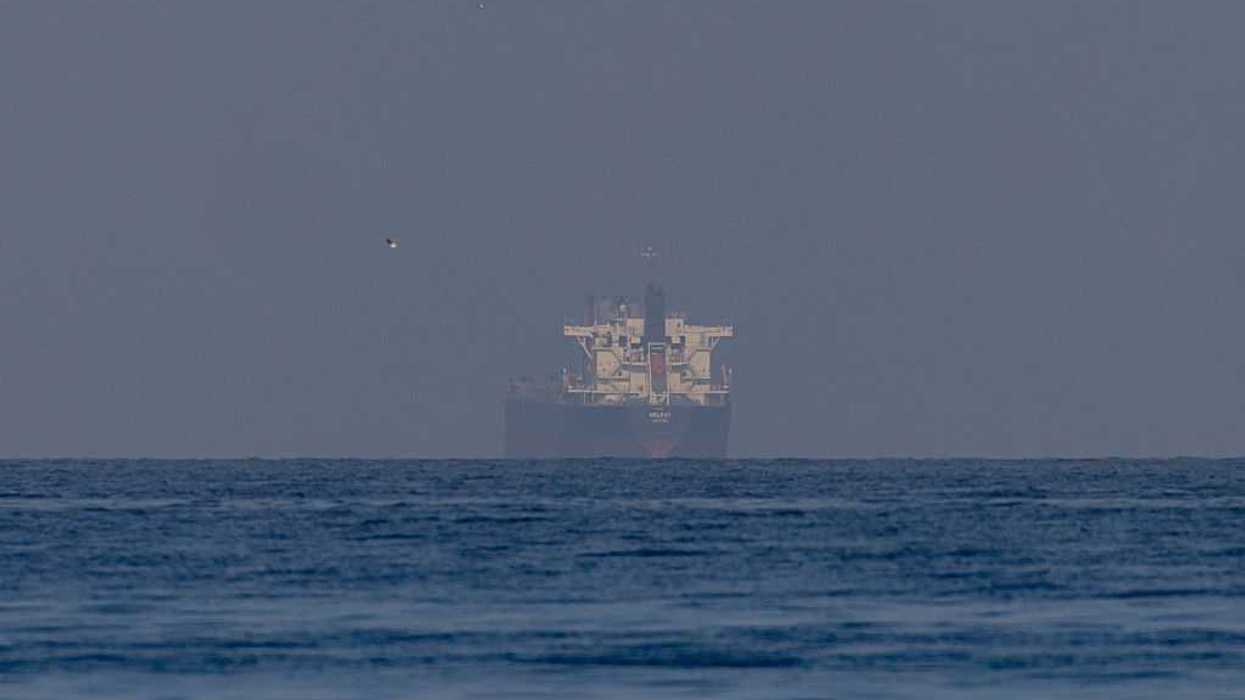

Iran pushed the Strait of Hormuz to the brink over the past two days, opening fire on commercial tankers yesterday and launching fresh attacks today that briefly choked off one of the world's most vital shipping lanes. Fast-attack boats, coastal missile batteries, and armed patrol craft forced multiple vessels to turn back under threat, marking the sharpest escalation in the waterway since the crisis began and illustrating how quickly a regional confrontation can spread into a global one.
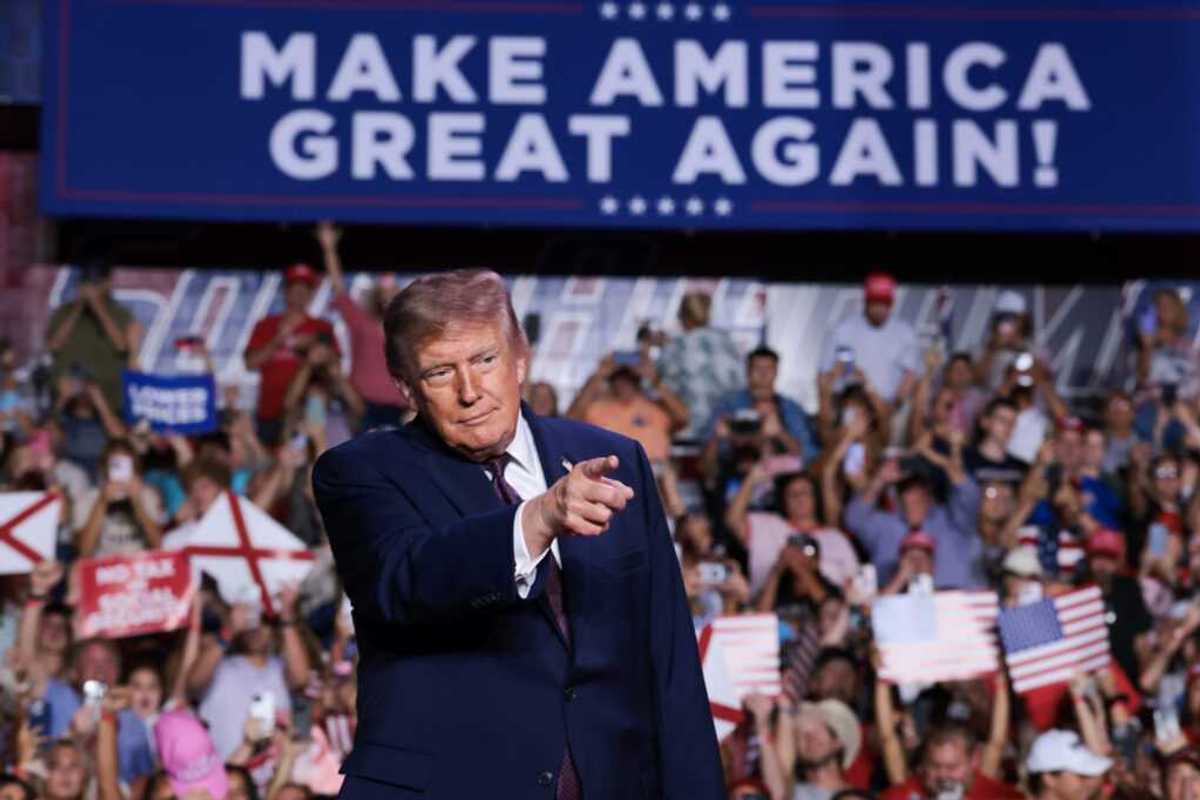
President Trump addressed Iran’s renewed attacks on Saturday, saying the United States is “talking to them” but “will not be blackmailed” after Iranian forces fired on commercial vessels and again attempted to restrict passage through the strategic waterway. U.S. Central Command reported that American naval and air units continue to enforce freedom of navigation, including turning back more than twenty ships and maintaining helicopter patrols over the strait. No additional senior administration officials issued separate statements, leaving Trump’s remarks and CENTCOM’s operational updates as the administration’s primary response to Iran’s escalation.
As policy discussions intensify in Washington, U.S. officials are reportedly weighing a range of potential responses should the crisis deepen further. Diplomatic avenues under consideration include calling for an emergency United Nations Security Council session and working with European and regional partners to increase pressure on Tehran through coordinated statements and direct talks. Economic steps could involve tightening existing sanctions, particularly targeting Iranian shipping or financial sectors linked to the attacks. On the military front, options such as expanding naval patrols, deploying additional assets to the Gulf, or escorting commercial convoys through the strait are being evaluated. Each of these approaches carries significant risks and trade-offs, and their ultimate adoption is likely to shape both immediate outcomes and broader strategic debates.
The renewed fighting comes just days after global markets staged a sharp rally on speculation that the Strait of Hormuz would soon reopen and that oil shipments would resume their normal flow. Last week’s gains were powered by traders pricing in a de-escalation, with Brent crude futures rising from $77 to $83 per barrel over four sessions. Today’s attacks have abruptly reversed that narrative, sending prices surging more than 6 percent in intraday trading, while the CBOE Crude Oil Volatility Index spiked to its highest level in seven months. Futures markets signaled heightened volatility as investors reassessed the durability of the recent upswing and the risk that a prolonged disruption could unwind much of last week’s optimism.
Roughly a fifth of the world’s seaborne oil passes through the Strait of Hormuz, and even temporary interruptions can tighten supply chains that are already strained. Energy analysts remarked that a sustained closure could push crude prices higher, feeding directly into transportation costs, consumer prices, and inflation expectations. Central banks that had been preparing for a gradual easing cycle may now face renewed pressure to weigh geopolitical risk alongside national economic data, introducing another layer of uncertainty to the global inflation outlook.
Experts observed that Iran’s renewed aggression in the Strait of Hormuz may also be aimed at strengthening its position in any future negotiations over its nuclear program. Tehran has long sought relief from sanctions and greater international acceptance of its uranium-enrichment activities, and the ability to disrupt a critical global chokepoint gives it a powerful bargaining chip. By demonstrating that it can raise the economic and international costs of continued confrontation, Iran may be attempting to extract concessions on limits to enrichment or on wider commitments related to nuclear weapons development, issues that remain central to any prospective agreement.
Looking ahead, possible outcomes for renewed nuclear talks range widely. In a best-case scenario, intensive diplomacy could yield a comprehensive agreement that eases key sanctions in exchange for stringent limits on enrichment and expanded inspections, lowering tensions and stabilizing global energy markets. At the other end of the spectrum, a breakdown in negotiations could prompt Iran to accelerate its nuclear activities while maintaining periodic threats to Strait of Hormuz shipping, increasing the risk of military escalation and further economic disruption. Another possible scenario is a fragile interim arrangement that provides limited sanctions relief in return for temporary restrictions on Iran’s nuclear work, leaving fundamental disagreements unresolved and the situation subject to renewed flare-ups.
Where this crisis goes next is anyone’s guess, in part because the administration’s own objectives have shifted from day to day and week to week. Trump has alternated between sweeping threats — including language about devastating Iran or “ending” its capabilities — and abrupt pivots toward negotiation or compromise.
Whether he responds to the latest attacks with another round of maximalist warnings, a push for a deal, or something in between remains unclear. The lack of a consistent strategic framework has left allies, adversaries, and markets trying to interpret signals that often point in different directions, adding yet another layer of uncertainty to an already volatile moment.
David Nevins is the publisher of The Fulcrum and co-founder and board chairman of the Bridge Alliance Education Fund.














The President Invited Iran to Bomb My Home