




Wars are expensive. Besides causing a lot of killing, terror, and mayhem, wars also take huge bites out of a nation’s public treasury. In a classic “guns vs butter” showdown, every dollar you spend on war is one less dollar you have for spending on the needs of everyday Americans, or for reducing the national debt.
The Iraq War in 2003 cost taxpayers an estimated $3 trillion, which is about $8500 per American woman, man, and child. That’s a lot of wampum, almost half of the entire federal budget for one year. Even shorter skirmishes like the Trump administration’s snatching of Venezuelan president Nicolás Maduro during "Operation Southern Spear" cost US taxpayers an estimated $2 to $3 billion, with ongoing costs of nearly one billion dollars per month.
While not many are going to shed tears over the death of Iranian leaders who recently butchered thousands of their own people in the streets as they protested their government’s oppressive religious dictatorship, nevertheless, war should always be the last resort. It’s brutally costly, both in terms of human lives and wasted money and resources.
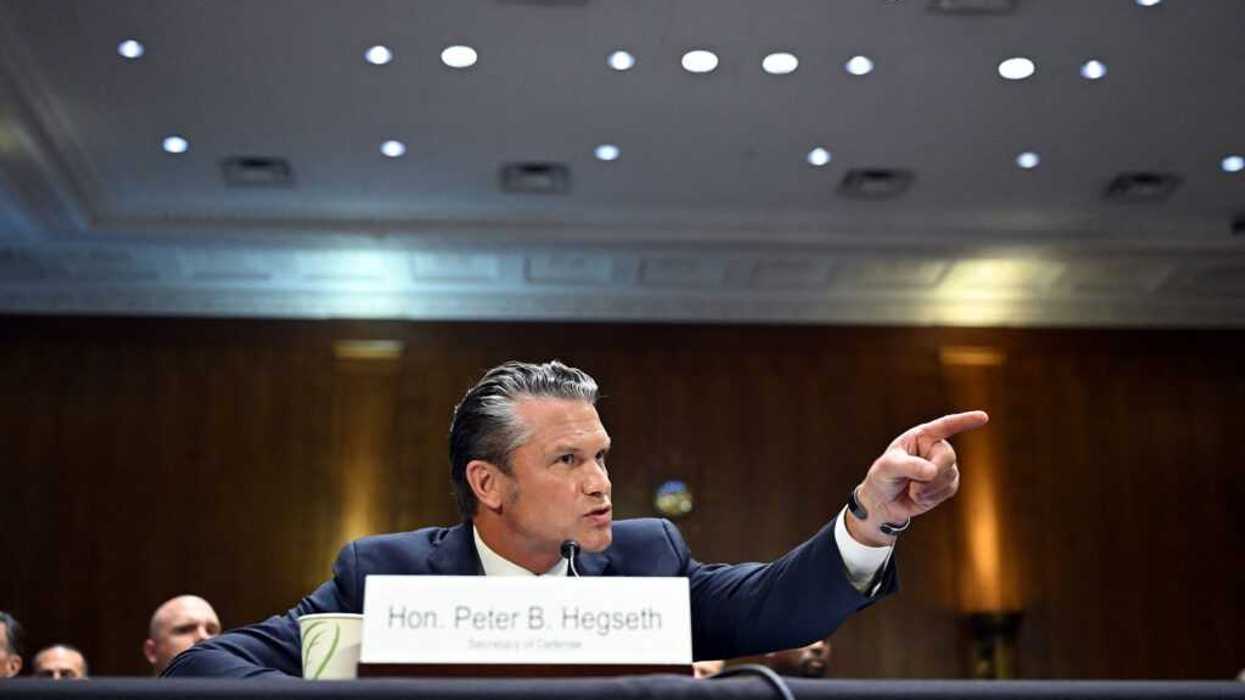
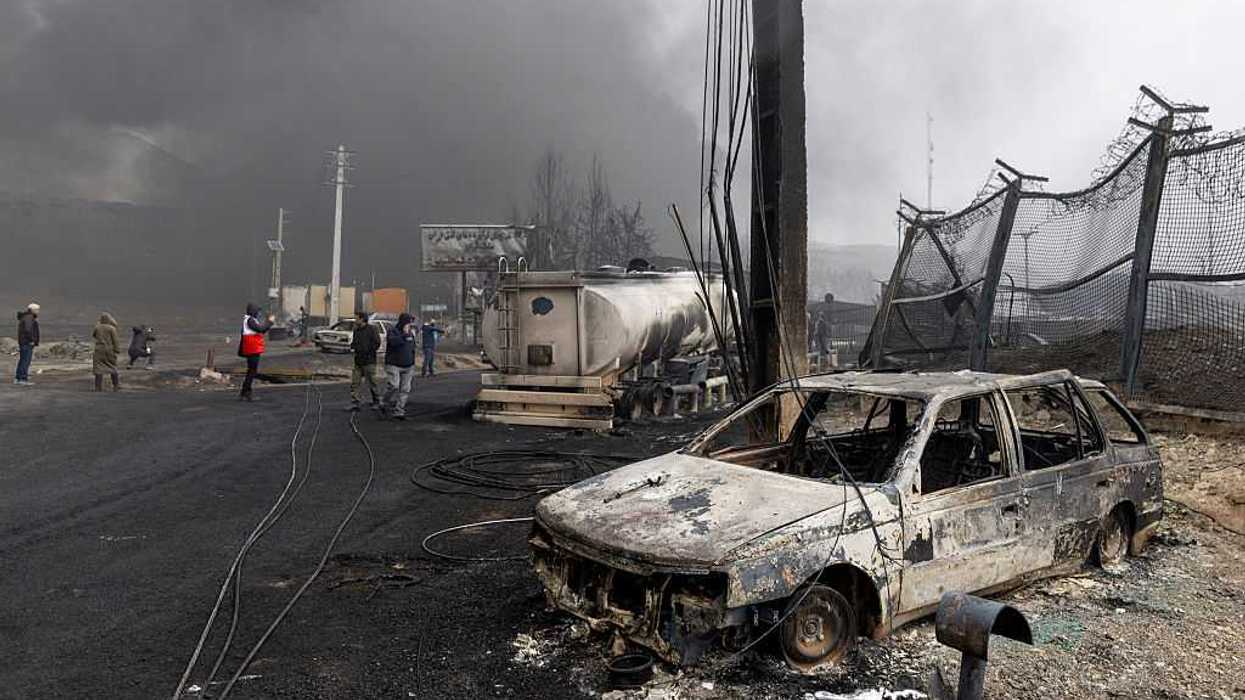
So what will it cost taxpayers for the White House’s military attack on Iran? After two weeks, the cost rose fast to an estimated $16.5 billion as of March 13, about $8 billion per week. So by now it’s probably closer to $25-30 billion -- and counting. If this spending pace continues for six months, we will spend about $200 billion. In fact, the Pentagon just requested that much in a budget supplemental. That’s a lot of hard-earned taxpayer wages.
What else could we spend that money on if we weren’t dropping bombs all over Iran?
Recall last summer, when the White House passed its One Big Beautiful Bill. The OBBB made permanent huge tax cuts for the wealthy, even as the Trump administration refused to reauthorize premium health care credits, resulting in the near doubling of insurance premiums for about 24 million Americans. Many of them can no longer afford health care, and some are dropping off the rolls. Re-authorization would have cost about $30 billion. So in another week, President Donald Trump will have spent all the money on Iran that could have helped these struggling Americans afford their health care.
Also, as part of his OBBB, President Trump cut Medicaid funding by $1 trillion over the next 10 years, or about $100 billion each year. That stripped another 11 million Americans of their healthcare. One of the few Republicans to vote against the bill, Senator Susan Collins from Maine, criticized “the harmful impact it will have on…low-income families and rural health care providers like our hospitals and nursing homes.” The Medicaid program has helped people with disabilities, children, the mentally ill, and low-income families for 60 years. Restoring this funding would save lives, but it’s pretty hard to do if your cash burn rate is about $1 billion per day to pay for dropping bombs on Tehran and the Strait of Hormuz.
Another OBBB victim was poor people lacking food security. MAGA Republicans slashed $187 billion in SNAP funds for food vouchers through 2034, the largest cut to SNAP in history. Over two million more children and families now have to face the anxious uncertainty of figuring out where their next meal is coming from.
While the White House preserved tax cuts for billionaires and is now bombing foreign countries, the nation continues to pile up debt. The federal debt has reached $37.2 trillion and is projected to rise by an average of about $2 trillion every year to a total of $47 trillion by 2030, sending the ratio of debt to GDP to a nearly Greece-like 130%, from just under 100% today. Interest payments on the debt have reached nearly a trillion dollars per year for the first time, surpassing most other federal budget expenditures. The OBBB made the nation’s account balances even more precarious by locking in lower tax rates for the wealthy, which will add significantly to the national debt.
What can you get for your $25 billion?
What else would $25 billion buy? That amount could fund:
* nutrition and food access for five years in the Women, Infants, and Children (WIC) nutrition program (based on a $5 billion annual budget).
* restore the billions in housing assistance that the Trump Administration stripped away from over 170,000 formerly homeless people, potentially forcing people back onto the streets or into cars or shelters.
* add back the more than $12 billion for K-12 education that the White House cut or delayed disbursing, even though lawmakers had already allocated the money before Trump took office the second time.
* reinstate the nearly $8 billion in grants for hundreds of clean energy projects in 16 states that President Trump cut.
* restore the $10 billion in funding for child care subsidies, social services, and cash support for low-income families in the five Democratic states in which the president froze the funding in early January.
* release the $39 billion in frozen funds meant for transportation, highways, bridges, and energy projects in Democratic-controlled cities and states.
* restore some cuts to the federal workforce, which have affected the operation of social and public services, including the IRS, Social Security, Department of Labor, and more.
It seems more than a bit ironic that Donald Trump returned to office last year and appointed Elon Musk, a chainsaw-wielding slash-and-burner, to slash through government agencies, cut grants, and cancel contracts deemed unnecessary. The administration canceled 122 grants centered on expanding epidemiology and controlling infectious diseases, and another 136 grants that focused on “immunization and vaccines for children.”
That’s just a small list. The economic and funding needs of our 350 million-strong nation are substantial, and neglecting those to pay for a “war of choice” isn’t the only domestic cost. Already, oil prices have surged to $111 a barrel – a 58% increase --, and the price of gas at the pump has shot up by 31% to a nationwide average of $3.84 per gallon, the highest level since September 2023, according to data from AAA. We the People will be paying for that inflation, while the Arab states and Russia (too bad, Ukraine) will benefit from this wartime bonus of escalating prices for crude.
With so many Americans already struggling with affordability, a war that spikes gas prices is going to disproportionately impact middle- and low-income Americans.
Our uncertain futures
We are living in a time defined by breakneck technological change with AI and all its consequences, and economic inequality and volatility. It feels like the United States is poised at several critical junctures. Investing in our domestic needs, such as healthcare, education, infrastructure, the environment, expanding access in rural areas, and strengthening the social safety net, is essential for the long-term health and competitiveness of the nation.
True, military spending also stimulates the economy, and as it is spread out geographically across the nation, it’s also a source of pork for the use of politicians in their re-election campaigns, who can brag about bringing home the bacon to their districts.
Yet, as a fiscal stimulus, military spending is extremely inefficient. Many studies have shown that the economic ‘multiplier effect’ that causes each dollar spent to ripple through an economy is much higher for spending on physical infrastructure – maintaining roads, bridges, airports, and harbors, for which the American Society of Civil Engineers says the U.S. has fallen $3.7 trillion behind – than military spending. Unfortunately, the U.S. economy has become hooked on this wasteful military stimulus, making it difficult to transform.
Right now, we are watching in real time as the funding and resources needed to make America great again are swirling down the drain of an undeclared war of choice against a faraway nation that wasn’t directly or imminently threatening our country, according to even Trump administration officials. By channeling the vast resources required for foreign wars toward domestic needs, our nation can fortify our future far more effectively than through military meddling in the Middle East.
Steven Hill was policy director for the Center for Humane Technology, co-founder of FairVote, and political reform director at New America. See more of his writing at his Substack newsletter DemocracySOS.