


WASHINGTON – Prediction market platforms like Kalshi and Polymarket are facing mounting pressure in Congress as lawmakers debate whether the platforms should be treated as financial exchanges or gambling operations.
The platforms allow users to bet on real-world events from sports to politics, which are classified as a type of financial derivative overseen by the United States Commodity Futures Trading Commission.
But the rapidly growing industry has become a pressing topic on Capitol Hill following a slew of recent scandals, with seven House Democrats urging the House Oversight Committee last week to subpoena prediction markets over concerns of corruption and insider trading.
Last month, U.S. Army soldier Gannon Van Dyke was charged with using classified information to profit from a Polymarket wager related to the capture of Venezuelan President Nicolas Maduro in January. In the same month, Kalshi fined and suspended three congressional candidates for betting on the outcomes of their own elections.
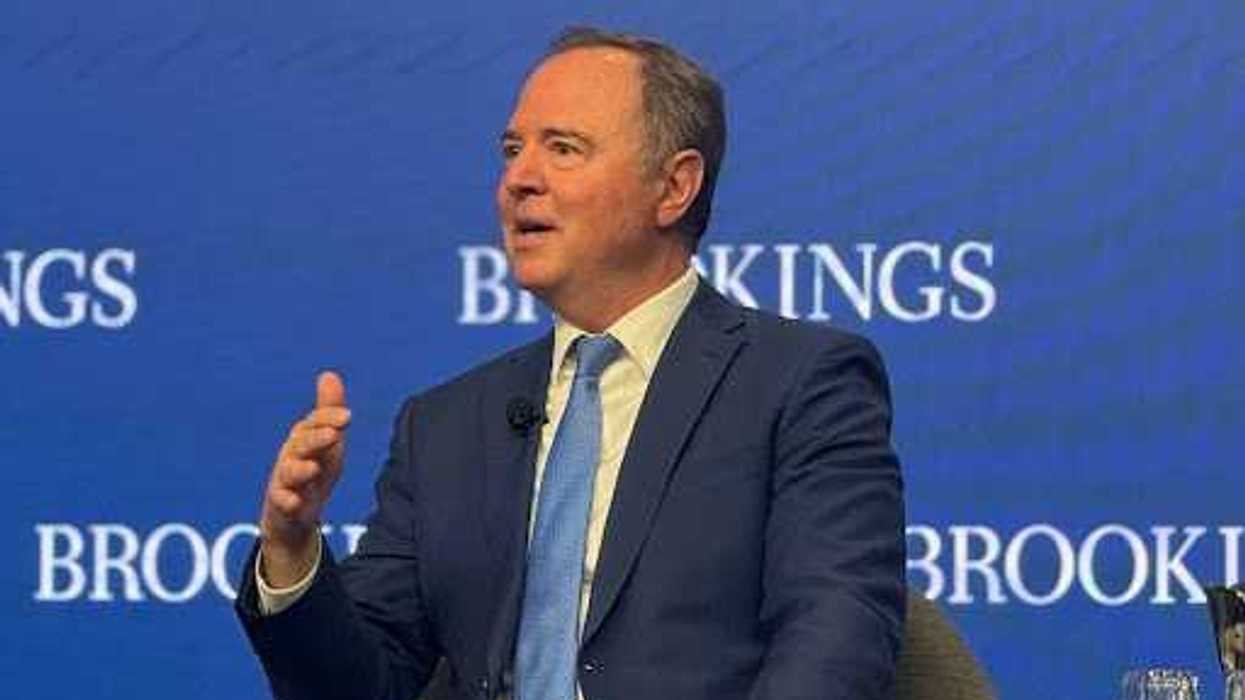
“Every day, every week, we seem to see a new story, whether it's campaign staffers with internal access to polling betting on things,” said Senator Adam Schiff, D-Calif, at a panel hosted by the Brookings Institution on Monday. “The real winners seem to be these professional market makers, where just about everybody else seems to be losing money.”
There are currently 14 active bills related to prediction markets in Congress, including the Prediction Markets are Gambling Act. The bipartisan bill would amend the Commodity Exchange Act to ban prediction markets from listing contracts that resemble sports bets or casino-style games.
Schiff, one of the bill’s authors, argued that sports betting-related contracts listed on prediction markets constituted gambling and should therefore be regulated by individual states.
He added that he was also concerned about seeing a potential rise in gambling addictions in young people who use prediction market platforms to make bets.
“If you want to game on your phone at age 18 – and maybe even if you’re not 18 – you find a workaround,” Schiff said. “It's just at your fingertips, and you can now link other financial accounts to your prediction account and transfer money easily. Who's guarding against that, and who's looking into what's happening with gambling addiction?”
On prediction market platforms, users can bet on anything from the weather to the number of posts Trump uploads to TruthSocial in a given week. A Harris Poll survey conducted in March on behalf of the National Council on Problem Gambling found that 30% of Americans considered prediction markets similar to gambling, compared with 24% who saw them as financial forecasting and 18% who saw them as a form of investing.
But Kalshi’s general counsel and chief regulatory officer, Rick Heaslip, pushed back against the characterization of the platform as an avenue for 24/7 online gambling, arguing it was a tool people could use to hedge risk. He added that 70% of Kalshi users did not trade on the platform, but used it simply to interpret the news.
“They'll go on Kalshi, they'll check the odds, and they'll say, ‘Was that talking head that I just saw on CNN telling the truth? Were they giving me a real, accurate assessment of what may or may not happen?’ And so Kalshi, as an enterprise, provides that for everybody,” he said.
Heaslip noted that Kalshi has a process for deciding which markets to list and explained that the platform only lists “swaps,” which are events associated with potential economic outcomes.
He pointed to the Met Gala as a recent example, saying that a contract on whether or not a celebrity will wear a certain brand is considered a swap because it carries economic consequences.
“While if I listed a swap on whether or not my neighbor wore a red hat or blue hat tomorrow, that would probably get me into hot water with the FTC very quickly,” he said.
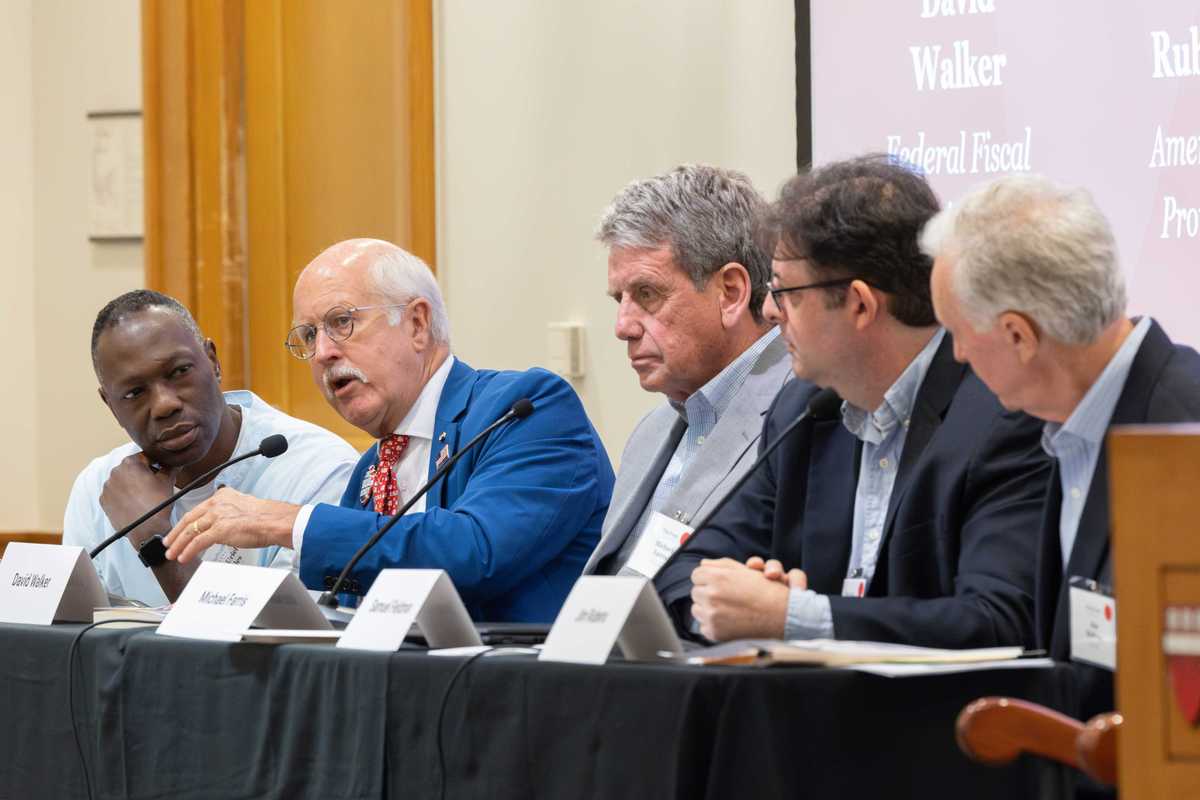
But other panelists questioned the inclusion of sports-related bets, which seemingly lack economic consequences, unlike those concerning the performance of individual athletes.
Sam Henry Lazarus, a research associate at the Council on Foreign Relations, said that while he thinks prediction markets have the potential to become important indicators, their inclusion made the platform resemble casino-style gaming.
“They have a ton of social utility, but they have that utility insofar as they're not running sort of a silly race,” he said. “Even if, under the law, you can make the argument that you're not a casino… if it quacks like a casino, and it walks like a casino, it's a casino. And eventually, people are going to vote representatives into office that are going to regulate you like one.”
Erika Tulfo is a reporter covering business and financial policy for Medill News Service.