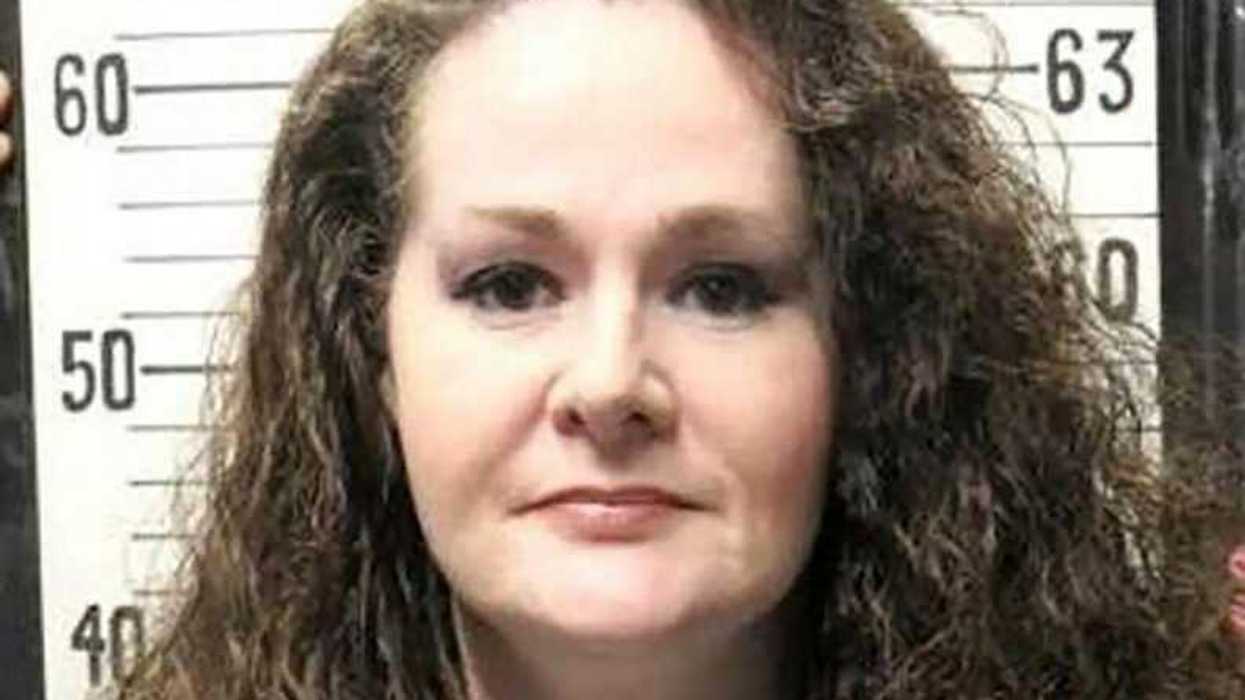

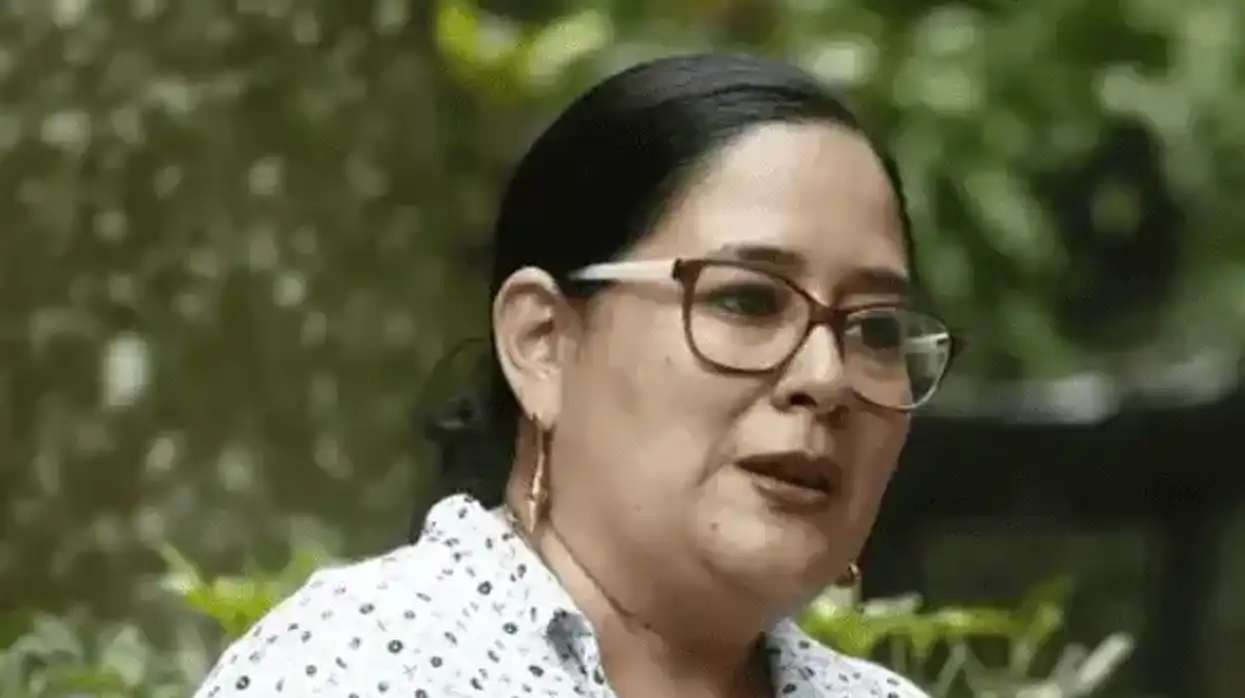
Human rights organizations across the Americas are intensifying pressure on the Salvadoran government to immediately release Ruth Eleonora López, a prominent anti‑corruption attorney who has now spent more than a year in pretrial detention under what advocates describe as arbitrary, retaliatory, and rights‑violating conditions. López, who leads the Anti‑Corruption and Justice Unit at Cristosal, was detained on May 18, 2025, and has remained behind bars ever since. Her case has become a flashpoint in the region’s debate over democratic backsliding and the criminalization of civil society under President Nayib Bukele.
According to Amnesty International, López’s first hours in custody amounted to a short‑term enforced disappearance, as authorities refused to reveal her whereabouts to her family or legal team. The organization reports that she has since been held under an incommunicado regime, with sharply restricted access to counsel and relatives, while her case remains sealed under judicial secrecy — preventing any public examination of the evidence against her. Over the past year, the charges have shifted without explanation, moving from alleged embezzlement tied to advisory work more than a decade ago to illicit enrichment. Human Rights Watch notes that no evidence has been presented in open court, and a judge extended her pretrial detention in December 2025, with the current order set to expire this month. The Human Rights Research Center adds that López’s imprisonment reflects a broader pattern in El Salvador of criminalizing human rights defenders, journalists, and anti‑corruption advocates.
The circumstances of her arrest were equally alarming. Luis Benavides, López’s husband, told Latino News Network that police arrived at their home under false pretenses. “The police came to our house with some story about our car having been in an accident,” he said. “She was in her pajamas. They had her change into other clothes on the street, with a photographer documenting her humiliation.” For Benavides, the spectacle was not only degrading but a clear signal that authorities intended to criminalize López before any legal process had even begun.
Luis Benavides on the Night Ruth López Was Taken
 Luis Benavides on the Night Ruth López Was Taken open.spotify.com
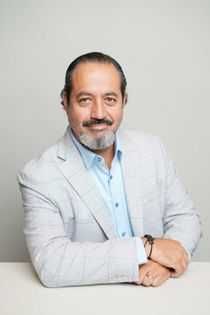
Noah Bullock, Executive Director of Cristosal, told LNN that the year‑long detention of López is a politically motivated act of repression designed to silence dissent and punish her for exposing high‑level corruption within the Bukele administration. “Ruth was arrested without an order from the attorney general and accused of a crime that she couldn’t have committed because she never managed public funds,” Bullock said.
Noah Bullock on Ruth López’s Case
 Noah Bullock on Ruth López’s Case open.spotify.com
Bullock has emphasized that as the head of Cristosal’s Anti‑Corruption Unit, López led investigations and formally submitted more than 15 credible cases of government corruption. He argued that her continued imprisonment is a deliberate state tactic to silence civil society and deter anyone who seeks to expose wrongdoing. In his view, the message is unmistakable: challenging power comes at a cost.
Cristosal has repeatedly condemned the Salvadoran government for cloaking López’s legal proceedings in total secrecy. “Her case has been declared a secret. She’s being tried in secret,” Bullock said, stressing that such opacity violates fundamental due‑process guarantees. The organization argues that this enforced secrecy is one of the most arbitrary and unlawful aspects of her detention — a deliberate effort by the state to shield the case from public scrutiny and prevent accountability.
As López’s detention enters its second year, advocates warn that her case is no longer just about one attorney — it has become a barometer for the state of democratic institutions in El Salvador. International human rights organizations argue that if a lawyer of López’s stature can be detained in secrecy, denied due process, and prosecuted without evidence, the risks for ordinary citizens, activists, and journalists are even greater. For them, her imprisonment signals a deliberate effort to dismantle the checks and balances that once constrained executive power.
Across the region, López’s case has galvanized civil society groups who see in her treatment a troubling precedent: a government willing to criminalize those who expose corruption or challenge official narratives. They warn that unless the international community maintains pressure, El Salvador’s slide toward authoritarianism will accelerate, with López’s fate serving as a stark warning to others who dare to speak out.
For her family, colleagues, and supporters, the demand remains simple and urgent: Ruth López must be released. Until then, they say, her case will stand as a symbol of the profound human cost of repression — and of the courage required to confront it.
One Year After Arrest, Pressure Mounts on El Salvador to Free Ruth López was first published on Latino News Network and republished with permission.
Hugo Balta is the executive editor of The Fulcrum and the publisher of the Latino News Network, and twice president of the National Association of Hispanic Journalists.