



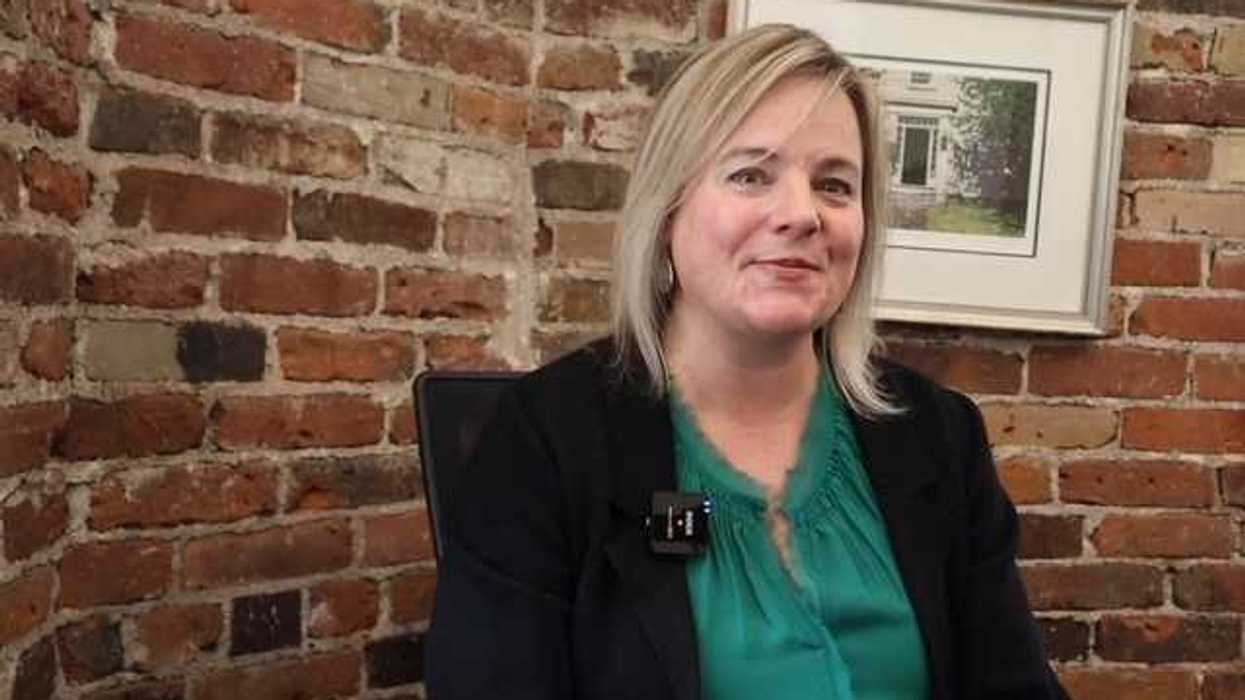

The Colorado Coalition for the Homeless (CCH) is working to address the lack of long-term affordable and supportive housing, which they identify as the only lasting solution to homelessness. Cathy Alderman, the organization’s Chief Communications and Public Policy Officer, emphasizes that the primary challenge is the "high cost not just of housing, but the cost of living" in Colorado, which creates a significant barrier for people trying to access stable housing or find rentals they can afford.
To address these challenges, the Coalition operates under the fundamental belief that "housing is healthcare". "We want to provide access to affordable housing and affordable health care so that people can be successful in the other areas of their life," Alderman said. As both a housing developer and a federally qualified health center, CCH manages approximately 2,000 units across 23 residential properties while providing integrated health services through clinics and street medicine teams.
The Fulcrum spoke with Alderman on a recent episode of The Fulcrum Democracy Forum.
- YouTube youtu.be
Alderman highlights that a major hurdle in solving homelessness is how it is often discussed in the absence of housing policy. "We can help people manage substance use disorders and mental health issues when they're stably housed far better than we can if they're out on the streets," Alderman explained, noting that providing housing first allows for the addressing of other foundational issues.
- YouTube youtu.be
We first met Alderman during the filming of The Fulcrum's award-winning series The 50: Voices of a Nation, which explores how Americans across the country engage with democracy at the local level. In the Colorado episode, we learned that a significant portion of this challenge involves the "doubled up" population—individuals who couch-surf or live with multiple families in small spaces—who are often excluded from official federal counts. "If you're not getting counted, then you're not getting an accurate picture of what homelessness looks like in your community, which means you're not going to be able to come up with the right resources and interventions," Alderman warned.
To prove the efficacy of their approach, CCH participated in the Denver Social Impact Bond program from 2014 to 2021. This pilot targeted individuals with frequent criminal justice interactions—often for minor infractions like being in a park after curfew—and achieved a first-year housing stability rate of approximately 86%. The data showed that providing housing and supportive services cost half as much as leaving an individual to cycle through emergency systems.
The findings also helped combat the stigma that homelessness is a choice. Of the first 100 people offered housing during the pilot, only one declined. "Ninety-nine percent of people experiencing homelessness would like to be housed if those resources were made available to them," Alderman stated.
Today, the Coalition uses this data to advocate for better use of taxpayer resources, extending its model to partnerships that reduce emergency care costs for Medicaid and Medicare. "We no longer have to say, 'I think housing might be more expensive than leaving somebody in shelter,'" Alderman noted. "Now we have the data to prove it".
Hugo Balta is the executive editor of The Fulcrum and the publisher of the Latino News Network.