

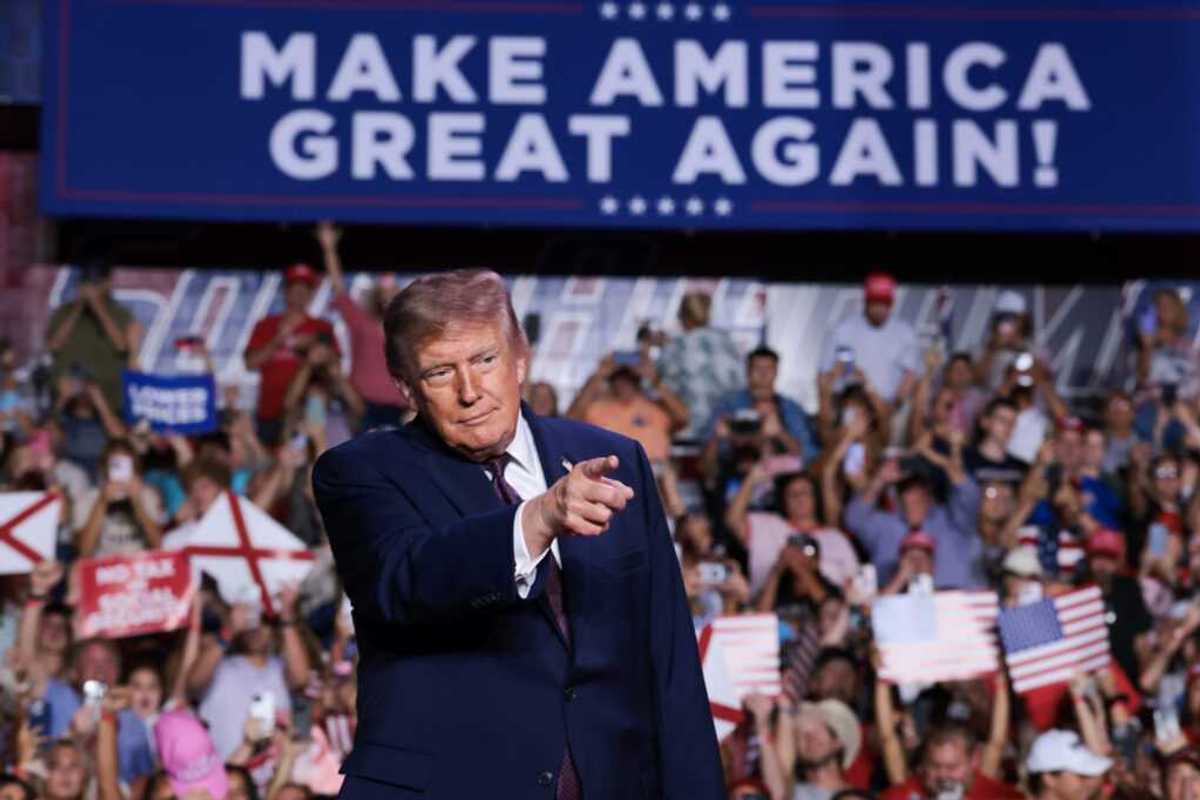

"Iranian Patriots, KEEP PROTESTING – TAKE OVER YOUR INSTITUTIONS!!! Save the names of the killers and abusers. They will pay a big price. I have cancelled [sic] all meetings with Iranian Officials until the senseless killing of protesters STOPS. HELP IS ON ITS WAY. MIGA!!! PRESIDENT DONALD J. TRUMP.”
It’s hard to see this Truth Social post by the president on Tuesday and make sense of, well, anything right now.
Iranian civilians have been protesting in the streets for weeks, in an effort to express their frustration with a bruising economy, an inflation rate greater than 40%, food shortages, and rolling blackouts. In response, the Islamic Republic has opened fire on its own people, killing anywhere from 2,400 to as many as 20,000 people in just two weeks.
The situation is dire — there are reports that doctors and aid groups cannot keep up with the amount of injuries they are seeing, and that the regime will start publicly executing protesters, including 26-year-old Erfan Soltani, whose judicial proceedings were “fast-tracked” in just two days.
Trump is vowing “very strong action” if Iran follows through with those threats to execute Soltani and others, action which could include everything from sanctions to strikes on military installations to cyberattacks.
It’s hard to reconcile this Trump — rescuer of the oppressed, defender of democracy — with the other one who’s simultaneously threatening his own citizens for protesting his immigration policies.
In the wake of an ICE officer shooting and killing an unarmed Minneapolis mother, Trump and his cabinet have been defiant. They’ve largely refused to offer even a modicum of sympathy for Renee Good. Instead, Trump has suggested her “highly disrespectful” attitude may have justified her death. Vice President JD Vance decided immediately that she was to blame. “What I am certain of is that she violated the law,” he said. He called Good, who leaves behind three children, “a deranged leftist who tried to run [the officer] over.” DHS Secretary Kristi Noem accused Good of “an act of domestic terrorism” just hours after her death, despite no one having conducted any investigation of the incident yet.
The administration, furthermore, strategically boxed out Minnesota law enforcement from joining a federal investigation of the shooting, and now Deputy Attorney General Todd Blanche says there’s “currently no basis for a criminal civil rights investigation” of any kind.
The irony of Trump’s pro-democracy message to Iranians and his decidedly despotic message to Americans should be lost on no one, nor should the parallels.
That Iranian leaders are calling their protesters “rioters” and “terrorists” while Trump officials are using the same language against Americans is chilling.
That Iran is jailing and “fast-tracking” the due process of protesters while Trump officials immediately decided the ICE officer who killed Good was innocent, and not even worth investigating, is deeply disturbing.
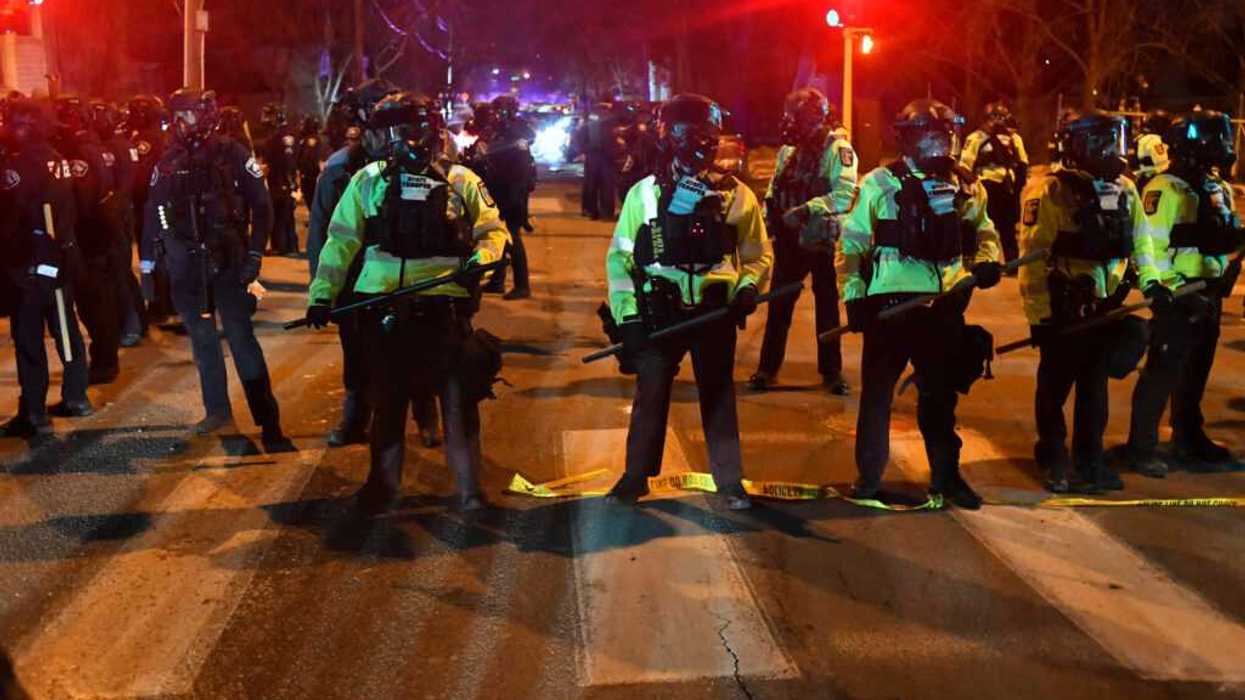
That Iran is threatening to execute protesters while masked ICE agents in unmarked vehicles have also threatened to kill protesters and have already used deadly force against them, is terrifying. At least one agent was recorded asking a protester, “Did you not learn from what just happened?”
Understandably, Americans are alarmed. And they should be.
According to a new SSRS/CNN poll, Trump’s anti-immigration efforts in Minnesota and elsewhere are not popular.
Fifty-eight percent of Americans disapprove of the way Trump is handling immigration.
Fifty-one percent say ICE’s actions are making cities feel less safe, versus just 31% who say more safe.
Forty-seven percent say they are more concerned that the government will go too far in cracking down on protesters versus 37% who say they’re more concerned the protests will get out of control.
Fifty-six percent say the use of force against Renee Good was inappropriate, versus just 26% who say it was appropriate.
While a majority of voters may have been with Trump on the need to lower crime and curtail illegal immigration, it’s hard to imagine any wanting to see our cities militarized to the point where they feel unsafe, where they fear protesting could get them killed, where it’s totally possible they could be rounded up without due process, where there are eerie parallels to what’s happening in Iran, a theocratic dictatorship.
While ICE agents have their proverbial boots on the necks of American citizens, Trump is unironically promising to defend democracy a world away. But it’s hard to maintain the moral high ground and wag your finger at Iran when you’re stomping all over democratic freedoms here at home.
It’s a perplexing and alarming place to be for a country that was once considered a beacon of freedom, a shining city on a hill. And with every threat to American democracy Trump issues, he weakens our nation.
S.E. Cupp is the host of "S.E. Cupp Unfiltered" on CNN.








The President Invited Iran to Bomb My Home