




For decades, the United States has perfected a familiar political ritual: condemn Latin American governments for the flow of narcotics northward, demand crackdowns, and frame the crisis as something done to America rather than something America helps create. It is a narrative that travels well in press conferences and campaign rallies. It is also a distortion — one that obscures the central truth of the hemispheric drug trade: the U.S. market exists because Americans keep buying.
Yet Washington continues to treat Latin America as the culprit rather than the supplier responding to a demand created on U.S. soil. The result is a policy posture that is both ineffective and deeply hypocritical.
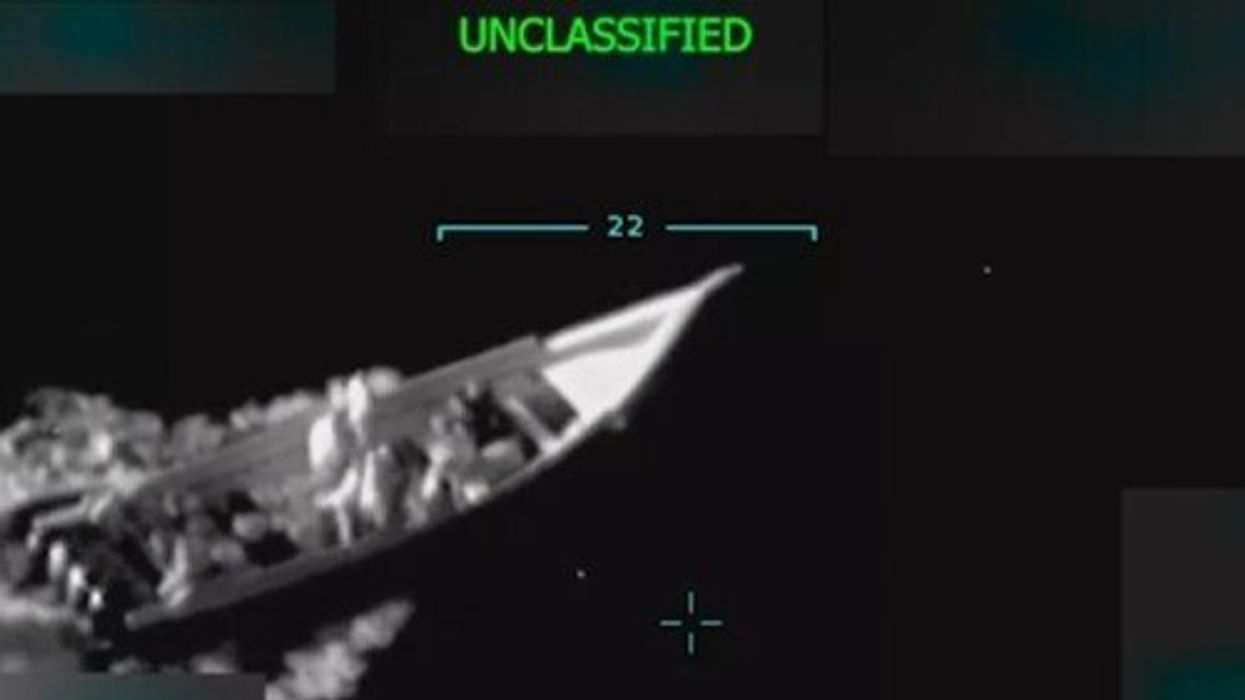
The U.S. government’s latest wave of criticism comes amid a renewed militarized approach to drug enforcement in the region. President Donald Trump has framed narcotics as “the number-one public enemy” and has escalated operations across the Caribbean and Pacific, including airstrikes on vessels suspected of trafficking drugs. These actions have been paired with sweeping rhetoric that casts Latin American nations as negligent or complicit — a framing that conveniently ignores the structural forces driving the trade.
But the evidence shows that supply is not the root of the crisis. Demand is.
U.S. consumption patterns have shifted dramatically over the past decade, with Americans turning increasingly to opioids, fentanyl, and methamphetamine. According to an analysis of the evolving drug trade, the U.S. opioid epidemic has been fueled by unprecedented levels of domestic consumption, with more than 72,000 overdose deaths recorded in 2017 alone. As demand for synthetic drugs surged, Mexican criminal groups adapted to meet the market — not because Mexico “wanted” to poison Americans, but because the U.S. market signaled what it was willing to buy.
This is not a moral absolution of cartels. It is a recognition of basic economics: if Americans were not consuming narcotics at such staggering levels, the trade would not exist at its current scale.
Yet U.S. political leaders continue to focus almost exclusively on supply-side enforcement. The United States has sharply increased military operations targeting alleged traffickers, launching strikes across the Caribbean and eastern Pacific. These actions have been condemned by regional governments and human rights groups, who argue they amount to extrajudicial killings and risk destabilizing already fragile areas.
Meanwhile, the structural drivers of American drug consumption — economic despair, untreated mental health conditions, lack of access to healthcare, and the pharmaceutical industry’s legacy of overprescribing — remain under-addressed. The U.S. government’s own data shows that the crisis is fueled by domestic vulnerabilities, not foreign malice. But acknowledging that would require political courage and policy investment. Blaming Latin America is easier.
This dynamic has played out for decades. Hardline security responses in Latin America have “not pacified the region’s cartels” and have in some cases “exacerbated violence,” according to Oxford Analytica’s assessment of anti-drug strategies. The United States continues to push these same strategies, even though they have repeatedly failed to produce lasting results.
Washington externalizes blame, militarizes the response, and avoids confronting the American demand that sustains the trade.
This approach is ineffective. It strains diplomatic relationships, fuels violence in Latin America, and distracts from the urgent need for domestic solutions. It also reinforces a paternalistic narrative in which the United States positions itself as a victim of foreign dysfunction rather than a co-architect of the crisis.
If the U.S. government is serious about reducing the flow of narcotics, it must start by looking inward. That means investing in addiction treatment, regulating pharmaceutical practices, addressing economic despair, and confronting the social conditions that make narcotics appealing in the first place. It means acknowledging that the drug trade is a hemispheric system — one in which the United States is not merely the endpoint, but the engine.
Until Washington is willing to confront the American appetite for narcotics, its criticism of Latin America will remain what it has long been: a convenient distraction from an uncomfortable truth.
Hugo Balta is the executive editor of the Fulcrum and the publisher of the Latino News Network

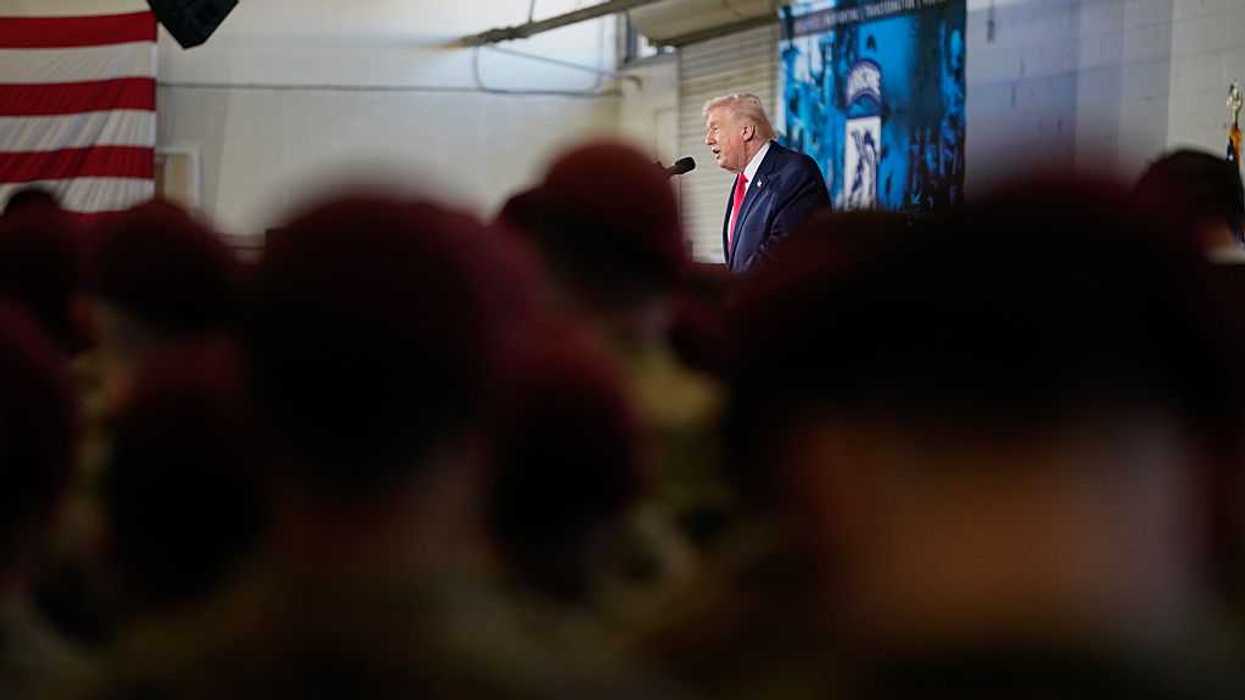
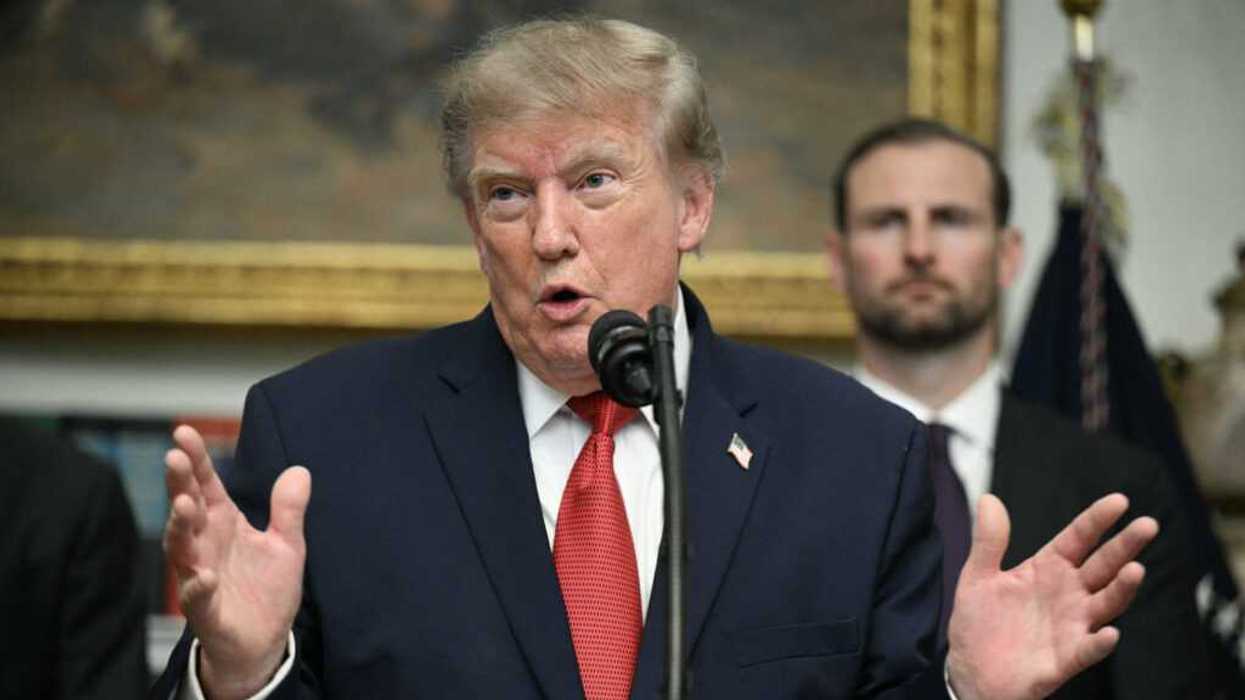





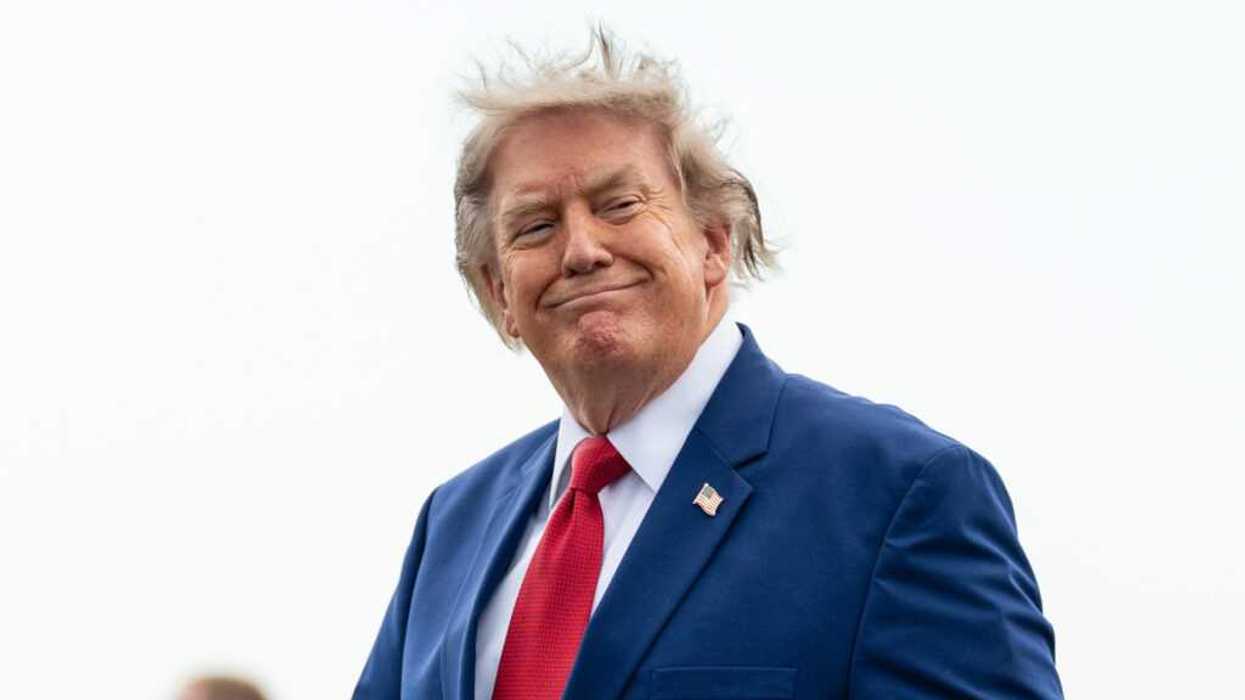
A golden tray sits on the Resolute Desk as President Donald Trump speaks during an announcement on American nuclear innovation in the Oval Office at the White House on July 24, 2026, in Washington, D.C. Trump is signing multiple executive orders targeting the nuclear energy sector and easing rules for new reactors and nuclear fuel supply chains.
Trump’s hubris rivals the fallen heroes of ancient Greek mythology
In January, the New York Times asked President Donald Trump if there were any limits on his global powers.
“Yeah,” the president responded, “there is one thing. My own morality. My own mind. It’s the only thing that can stop me.”
That was eight months ago, but fortunately Christopher Nolan’s blockbuster adaptation of “The Odyssey” has made ancient Greek literature newly relevant. Before that window closes, I’d like to talk about hubris.
Today, the term mostly means excessive pride or arrogance. That’s part of what the Greeks meant by it too, but the meaning was a bit richer and more specific. Hubris was an insolent or outrageous act that offended the gods, often because the transgressor was claiming abilities or authorities that solely belonged to supreme beings.
Nolan renamed and slightly modified the concept of xenia for the film, calling it “Zeus’ law.” In the director’s telling, mortals should follow the rules laid out by the gods, specifically the requirement to treat strangers with respect lest they be gods in disguise.
In a sense, hubris is the opposite, or at least the rejection, of xenia. The hubris of the suitors, and at times Odysseus himself, invites punishment by the gods and their mortal instruments.
Which brings me back to Donald Trump. His claim that there are no constraints on his personal power to dictate events on the global stage was one of the greatest expressions of hubris ever uttered by a political leader.
Trump’s claim was obviously false when he made it.
He vowed that he could end the Russia-Ukraine war in 24 hours. He’s proved powerless to make that happen. If he had divine powers to work his will, why would he have balked at implementing his tariffs so often that Wall Street adopted the “TACO trade” term for his deals? “TACO” stands for “Trump always chickens out.”
And why would Trump have made so many embarrassing concessions to China — from rescinding tariffs on Chinese goods to allowing them to buy crucial and incredibly valuable computer chips?
But Trump saw his success at capturing Venezuelan strongman Nicolas Maduro as proof of his ability to launch missiles to the same effect as Zeus’ lightning bolts. Trump believed he was the most powerful man who ever lived.
This is no exaggeration. In March, when the Iran invasion seemed successful, Trump gave a document penned by“Presidential Historian David King” to New York Times reporters Maggie Haberman and Jonathan Swan purporting to prove that Trump was “the most powerful person to have EVER walked this planet.” King was, in fact, a businessman and occasional caddy for legendary golfer Gary Player.
King compared Trump favorably to many of history’s most powerful, and often heinous, figures: Alexander the Great, Attila the Hun, William the Conqueror, Napoleon Bonaparte, Joseph Stalin, Genghis Khan, Mao Tse Tung, Adolf Hitler and Vladimir Lenin. Many of these men thought they were the most powerful person in the world, too. And many were defeated precisely because they believed it.
At least Napoleon and Hitler had a string of truly impressive victories before they learned the folly of hubris. The limits on Trump’s power have been exposed by far less august forces than the combined might of the allies in World War II or the fearsome Russian winter.
Iran is a comparatively middling power. But the regime’s ability to absorb punishment while imposing its will on the Strait of Hormuz has proved to be a greater constraint on Trump’s power than his morality or mind. We should note that, at least rhetorically, his morality has not proved much of a constraint. He has repeatedly promised to destroy Iranian “civilization” if the regime refuses to capitulate.
But they haven’t — and won’t anytime soon — because the regime’s tolerance for pain far outstrips Trump’s. The combined fear of skyrocketing oil prices, outrage of Gulf state potentates, diminishing weapon supplies and domestic unpopularity is doing the work that international law, congressional oversight and the collective opinion of foreign policy experts can’t or won’t do.
If I considered Trump more heroic than reason and facts could allow, I would say his Sisyphean predicament has the whiff of Greek tragedy to it. Trump is vexed by the fact that the Iranians won’t honor deals or ratify his countless premature claims of victory — giving new meaning to his vow that his presidency would make people tired of winning. It’s almost like they’re out-Trumping Trump.
Things might have gone better if he’d heeded that great Greek tragedian Sophocles: “For Zeus utterly abhors the boasts of a proud tongue.”
____
Jonah Goldberg is editor-in-chief of The Dispatch and the host of The Remnant podcast. His Twitter handle is @JonahDispatch.