
Skip to content
Search

Latest Stories

Top Stories

Michigan group pushes to get big money out of politics

News

Michigan group pushes to get big money out of politics

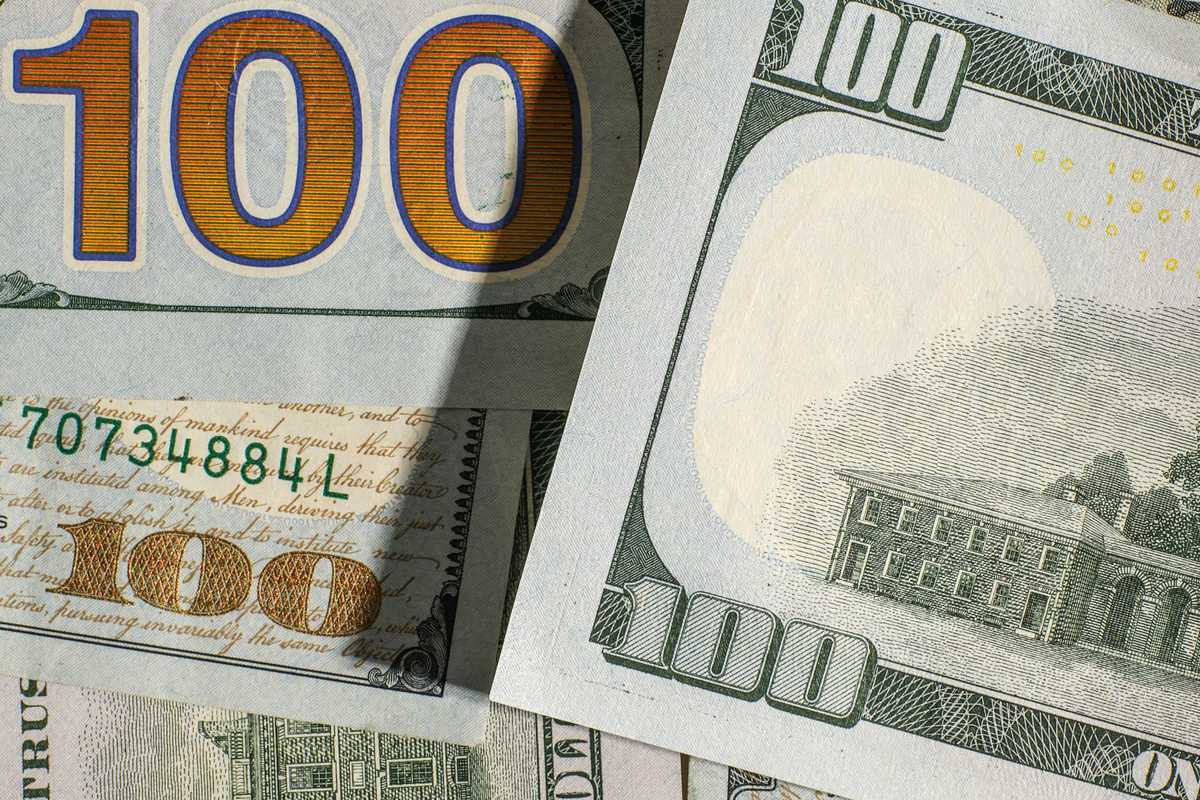
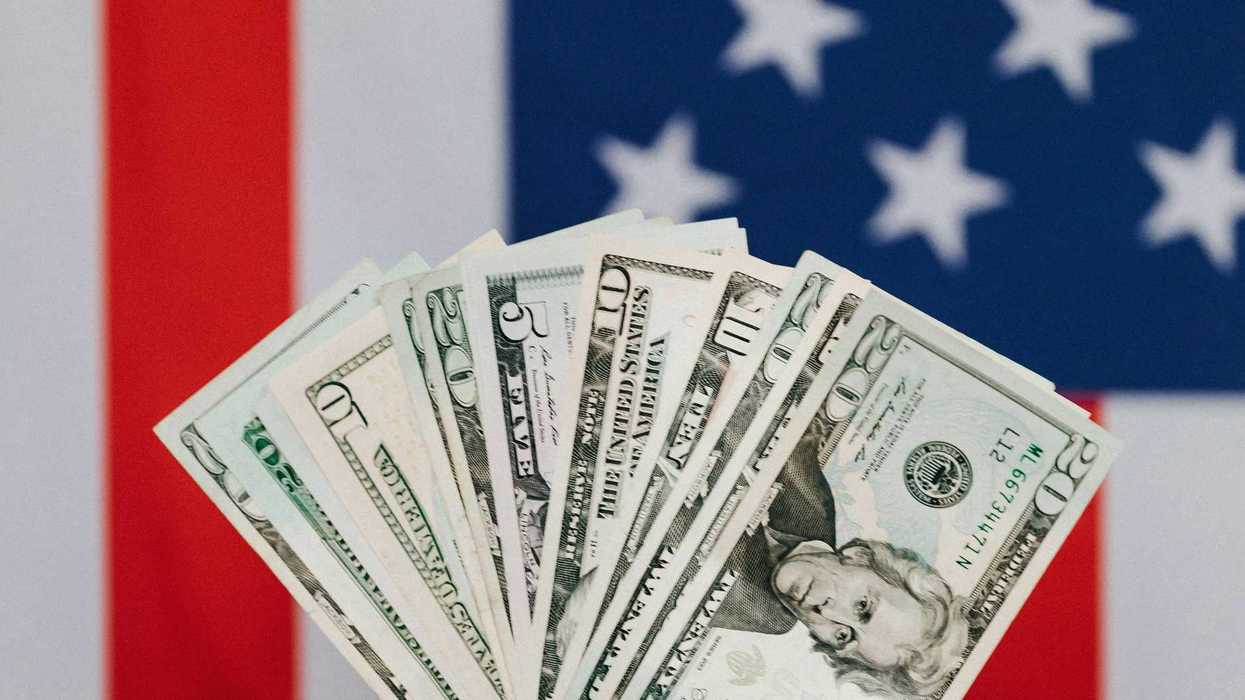
According to the Federal Election Commission, the 2024 election cycle saw billions spent on campaigns, with PACs alone raising more than $15 billion.

(Pexels)

A new push to limit corporate money in Michigan politics appears to be gaining traction.

There is strong bipartisan support for restricting political contributions from regulated monopolies and companies seeking government contracts, according to a survey commissioned by supporters of the proposal. Supporters said the measure would increase transparency and reduce “pay-to-play” politics, where political donations can influence government decisions.


Christy McGillivray, executive director of the group Voters Not Politicians, said the response from voters has been consistent across the political spectrum.

"It's wildly popular," McGillivray reported. "We are on track to meet our goal, and the bipartisan support is amazing with voters. Voters, regardless of political party, are furious about how money's corrupted politics."

Organizers must get nearly 360,000 valid signatures by May 27 to qualify for the ballot, aiming for closer to 450,000 to account for rejected entries. Critics of the proposal said even with limits in place, money will still find its way into politics, just through different, and sometimes harder-to-track, channels.

However, backers contended the effort is about fairness, arguing many Michiganders feel their voices are being overshadowed by big money in Lansing. McGillivray stressed the issue comes down to who lawmakers are ultimately responding to.

"Nothing in Lansing is changing, and they're not being held accountable because fundamentally, the money in Lansing is what lawmakers are answering to instead of their constituents," McGillivray underscored. "When that happens, that means people start losing faith in democracy."

Supporters said the proposal could help rebuild trust in government by increasing transparency and making sure elected leaders answer to voters, not big donors.

Chrystal Blair is a producer with Public News Service.

Michigan group pushes to get big money out of politics was first published on PNS and republished with permission.

Read More

US money being cut by a scissor
A pair of scissors cutting a continuous strip of one hundred dollar bills
Photo by Igor Omilaev on Unsplash

Self-Interested Elite Supremacy, 1776 to 2026, and a Path Forward

For 250 years, U.S. elites have maintained supremacy by embedding self-interest into the nation’s foundational structures, translating economic power into political dominance. From the plantation economy and the Gilded Age to modern corporate lobbying, wealth consolidation has consistently undermined democratic equality to favor the ruling class.

This trajectory of elite control and self-interest unfolds across the following core eras:

Keep ReadingShow less
(Don't Fear) Money in Politics

A large cat, such as a tiger or panther, that is composed of United States currency.

AI generated image by Nathan Smolensky

(Don't Fear) Money in Politics

In late June, the Supreme Court ruled against limits upon state political party spending in federal elections. The specter of Money in Politics, already looming large, grew several sizes. It begs the question, naturally: just how much will all this additional inflow affect our elections? And can anyone compete against so much damn money?

In late November 2020, the website OpenSecrets reported that some 88% of federal races that year were won by the candidate who raised the most money. That’s eight in every nine. That’s decisive. That’s dominant.

Keep ReadingShow less
Poll: Voters Want Solutions for Government Corruption
Greggory DiSalvo/Getty

Poll: Voters Want Solutions for Government Corruption

A new Brennan Center survey finds that large majorities of Republicans, Democrats, and independents share deep-seated concerns about government corruption, which most voters define broadly and blame for many of the country’s biggest problems going unaddressed. The survey, fielded to 2,000 registered voters across the country between April 28 and May 6, also finds widespread support for key anticorruption reforms, such as new limits on money in elections and stronger protections against self-dealing by high-ranking government officials.

The key findings include:

Keep ReadingShow less
Elon Musk’s new ‘trillionaire’ status is a good thing, actually

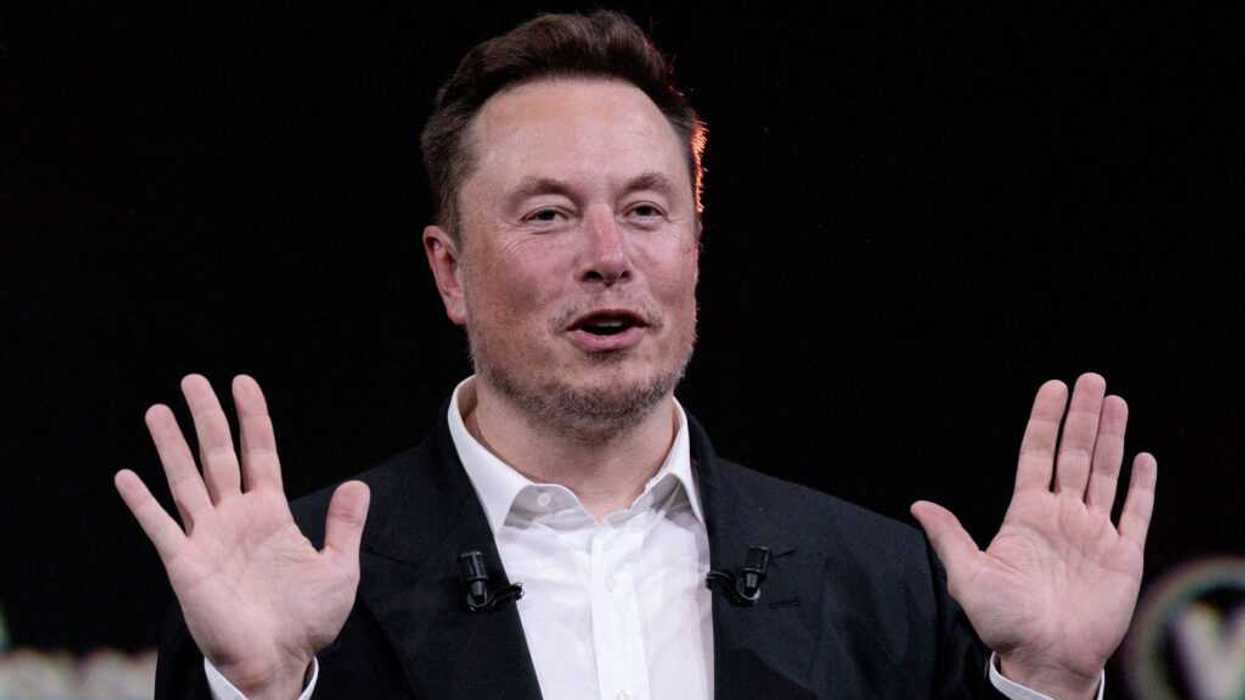
SpaceX, Twitter and electric car maker Tesla CEO Elon Musk attends an event during the Vivatech technology startups and innovation fair at the Porte de Versailles exhibition centre in Paris, on June 16, 2023.

(Joel Saget/AFP/Getty Images/TNS)

Elon Musk’s new ‘trillionaire’ status is a good thing, actually

I am not a huge fan of Elon Musk as a political activist or commentator. I think he’s made Twitter — sorry, X — worse. His support for the nationalist right in Europe has been ugly. His tenure leading the Department of Government Efficiency mostly amounted to a missed opportunity and often descended into little more than performative vandalism. His personal life is not exactly consonant with my preference for bourgeois family values. Though, one can hardly accuse him of being a deadbeat dad.

On the other hand, I am a huge fan of his accomplishments in business and engineering. He helped create the foundations of the digital economy with PayPal. At the helm of Tesla, he made the electric car into a viable industry (something climate activists once lionized him for). Starlink, his internet satellite business, has been transformative. And, finally, there’s SpaceX, which went public last week. It’s a testament to human ingenuity, immigrant success and American greatness, on a scale that is hard to describe.

Keep ReadingShow less