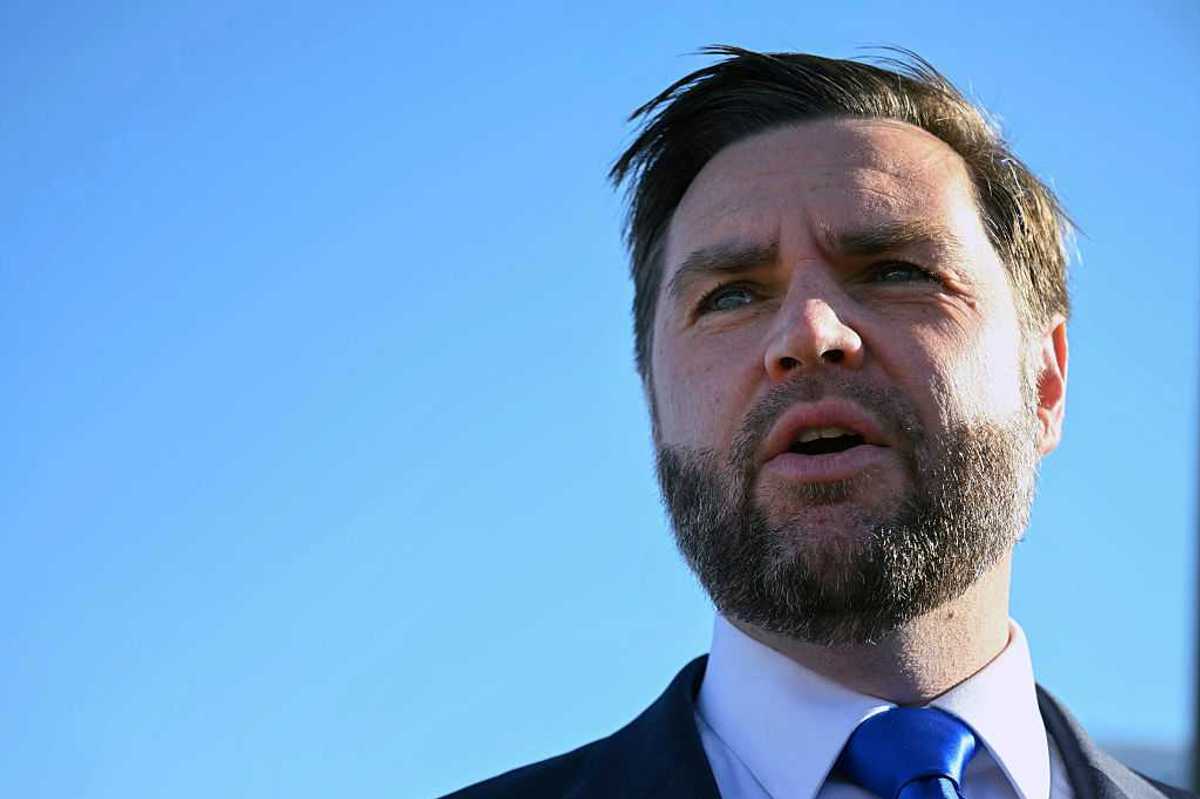




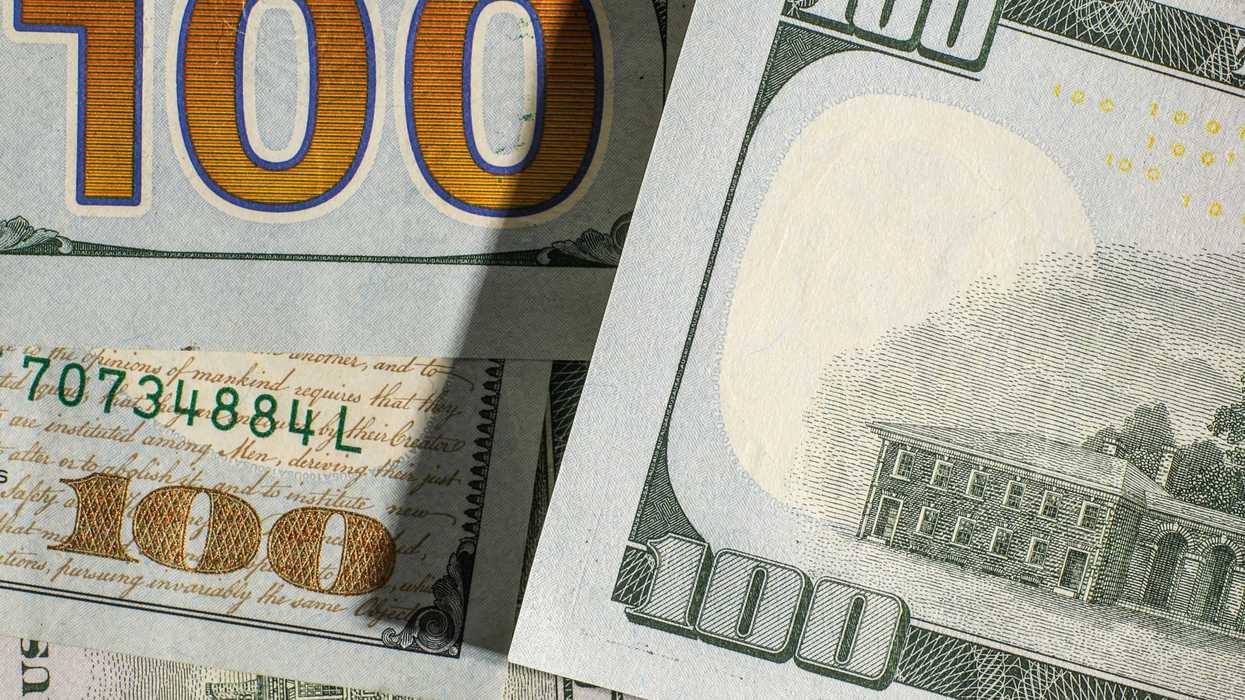
President Trump's newest promise to the American electorate carries a familiar shape and an unfamiliar price tag. At the Republican Party's midterm convention in Dallas on September 9, he pledged that if Republicans hold the House and Senate in November, "I will issue a dividend to every adult citizen in the United States of America for $5,000." He compared it to a company distributing cash to shareholders. Vice President JD Vance followed up on Fox News, describing it as "fundamentally a dividend for American workers" funded by tariff revenue.
The pledge is explicit, the timing is deliberate, and the arithmetic does not hold up.
Start with the cost. The Census Bureau counts roughly 245 to 270 million American adult citizens, depending on how the eligibility is drawn. At $5,000 each, the payout runs between $1.2 and $1.35 trillion — a single line item larger than the discretionary budgets of most federal agencies combined. The president says the country can "easily handle" it because of the revenue tariffs are bringing in. The numbers say otherwise. The Bipartisan Policy Center puts total 2026 tariff and excise collections at roughly $210 billion. Even if every dollar of that revenue were diverted to the dividend, it would cover less than a fifth of the bill.
This is not the first time the math has failed to convey what the rhetoric promised. A year ago, Trump pledged a "$2,000 tariff dividend" to most Americans. It never arrived. Before that came a mooted "DOGE dividend" drawn from federal spending cuts that were themselves never fully realized. Congress never authorized either payment, and neither the Treasury Department nor the White House has articulated a legal mechanism for sending checks without an appropriation. Asked directly whether it has authority to pay dividends from tariff revenue absent congressional action, Treasury has not responded.
The fiscal problem is compounded by a legal one the administration has already lost. In February, the Supreme Court ruled 6-3 in Learning Resources v. Trump that the International Emergency Economic Powers Act does not authorize the president to impose tariffs at all. The decision struck down the reciprocal and trafficking tariffs that made up the bulk of the administration's trade agenda and left the government facing potential refund claims running into the billions. The funding stream Vance pointed to as the source of the $5,000 dividend is, in substantial part, the same funding stream the nation's highest court has already found unlawful. Whatever revenue survives under the administration's remaining tariff authorities is smaller, less certain, and nowhere close to $1.2 trillion.
Then there is the political question that has drawn less attention than it deserves: does conditioning a $5,000 government payment on the outcome of a federal election amount to vote-buying? Federal law bars offering or accepting anything of value in exchange for a vote. But Trump's pledge is not structured as a per-vote payment to individuals in exchange for how they cast a ballot; it is framed as a policy outcome contingent on which party controls Congress, a rhetorical device candidates have used for generations when promising what they will do "if elected." Legal scholars are largely skeptical that the framing crosses the line into a prosecutable offense, however transactional it may sound. The more pressing issue is not whether the promise is illegal. It is whether it is feasible, and whether Congress should treat it as a serious proposal or campaign theater.
That is where lawmakers have, so far, been conspicuously quiet. Senator Josh Hawley introduced the American Worker Rebate Act over a year ago to authorize tariff-funded rebates; it has sat in the Finance Committee since, without a single cosponsor and without a hearing. A competing bill from Senator Martin Heinrich has fared no better. Senator Bernie Moreno has said he will draft legislation to formalize the "Trump Dividend" after the midterms — a pledge to legislate a pledge, made before the votes that would determine whether Republicans even hold the majority needed to pass it.
None of this means the idea is dead on arrival as a talking point. It is a coherent piece of midterm messaging: a concrete number, an emotionally resonant comparison to a shareholder dividend, and a deadline that rewards turnout. But a promise repeated for the third time in two years, with no legislative vehicle, no identified funding source, and a legal foundation the Supreme Court has already dismantled, is not a policy proposal. It is a conditional IOU.
Congress does not need to adjudicate whether the pledge constitutes vote-buying under federal law. That is a narrow legal question with a fairly predictable answer. The more consequent question is whether members of either party are prepared to hold hearings on how — or whether — $1.2 trillion in payments to American adults would actually be funded, given that the administration's own tariff authority has been struck down and no appropriation exists. If the answer is that no such mechanism is being seriously developed, voters deserve to know that before November, not after the payments fail to materialize a third time.
Jose Navarro is the Founder of The Navarro Report, an independent publication delivering nonpartisan, fact-based coverage — tracking government spending, fiscal mismanagement, and the policy decisions that affect everyday readers, without political bias.