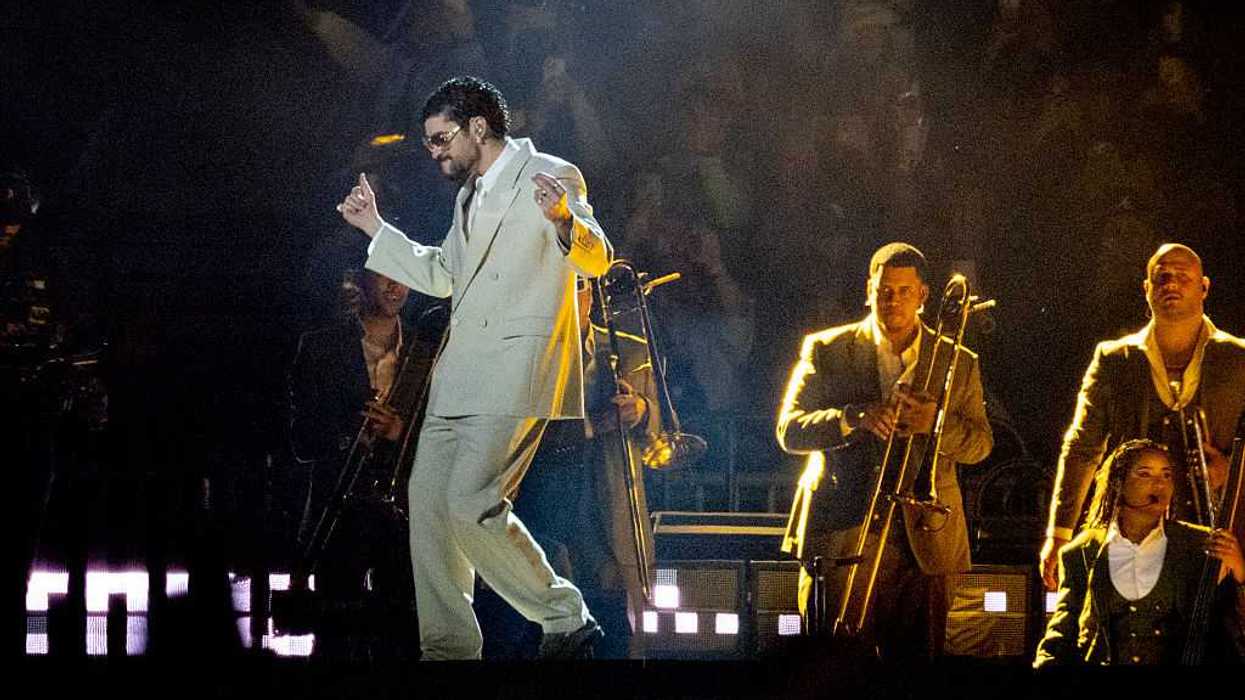
On Monday, January 26th, I published a column in the Fulcrum called Bad Bunny’s Super Bowl Halftime Show Sparks National Controversy As Trump Announces Boycott. At the time, I believed I had covered the entire political and cultural storm around Bad Bunny’s upcoming Super Bowl performance.
I was mistaken. In the days since, the reaction has only grown stronger, and something deeper has become clear. This is no longer just a debate about a halftime show. It is turning into a question of who belongs in America’s cultural imagination.
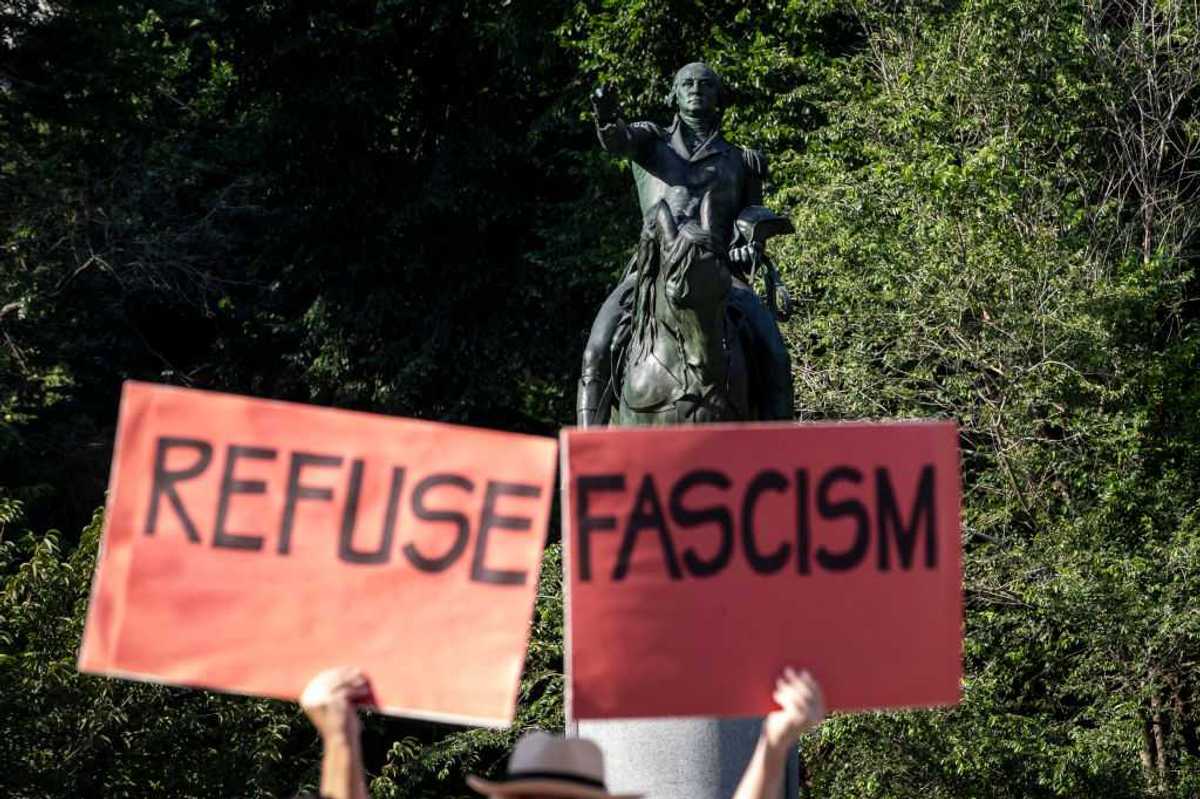
On October 7th, when I first wrote about Bad Bunny missing from U.S. tour dates and the early rallies forming around him, I sensed the moment was about more than music. I did not realize how quickly it would become a stand-in for the country’s unresolved issues with identity, language, immigration, and power. The rapid escalation of this story, from ICE threats to presidential criticism, shows how fragile social and cultural unity in America has become.
In just the last few days alone, the rhetoric has become more intense.. President Trump has repeated his now‑familiar line, “I’m anti‑them” — in interviews highlighted by the New York Post and Newsweek, ensuring the controversy stays in the bloodstream of the news cycle. On the right, MAGA commentators on platforms like Fox News, Breitbart, and Turning Point USA’s “TPUSA Live” have increased their outrage over rumors that Bad Bunny may perform in a dress, framing it as an assault on “traditional America.” Conservative influencers such as Danica Patrick, Charlie Kirk, and Benny Johnson have continued to insist that Spanish‑language music is “un‑American,” a theme amplified across X/Twitter and covered by outlets including Rolling Stone and The Daily Beast, despite the historical fact that Spanish predates English on this continent by centuries.
What we are witnessing is not simply disagreement. It is a widening fracture in America over what counts as American culture and who gets to define it.
The reaction to Bad Bunny’s performance does not exist in isolation. It builds on decades of debate about what behavior and culture are acceptable. Americans now often live in separate media worlds, celebrate different heroes, and see the same events in completely different ways.
The Super Bowl used to be one of the last shared cultural spaces in American life. Now, it is being drawn into the same divisions that affect so much else.
The fact that a halftime show can lead to a presidential boycott tells us something important. We are no longer just arguing about policies. We are fighting over symbols, over language, and over who gets to stand on the biggest stage in the country and say, “This is America, too.”
Negative comments from President Trump and his supporters have sparked a strong response from people who see Bad Bunny’s Super Bowl performance as a moment of cultural inclusion and acceptance. Latino civic groups are organizing watch parties focused on cultural celebration rather than football. Young fans see Bad Bunny’s performance as a chance for visibility, an opportunity to see themselves on a stage that has often left them out. Even betting markets are involved, giving odds on whether Bad Bunny will mention Trump. This shows how deeply politics has become part of our cultural events.
This is the paradox of the moment. The more some people try to narrow the definition of American identity, the more others push to expand it.
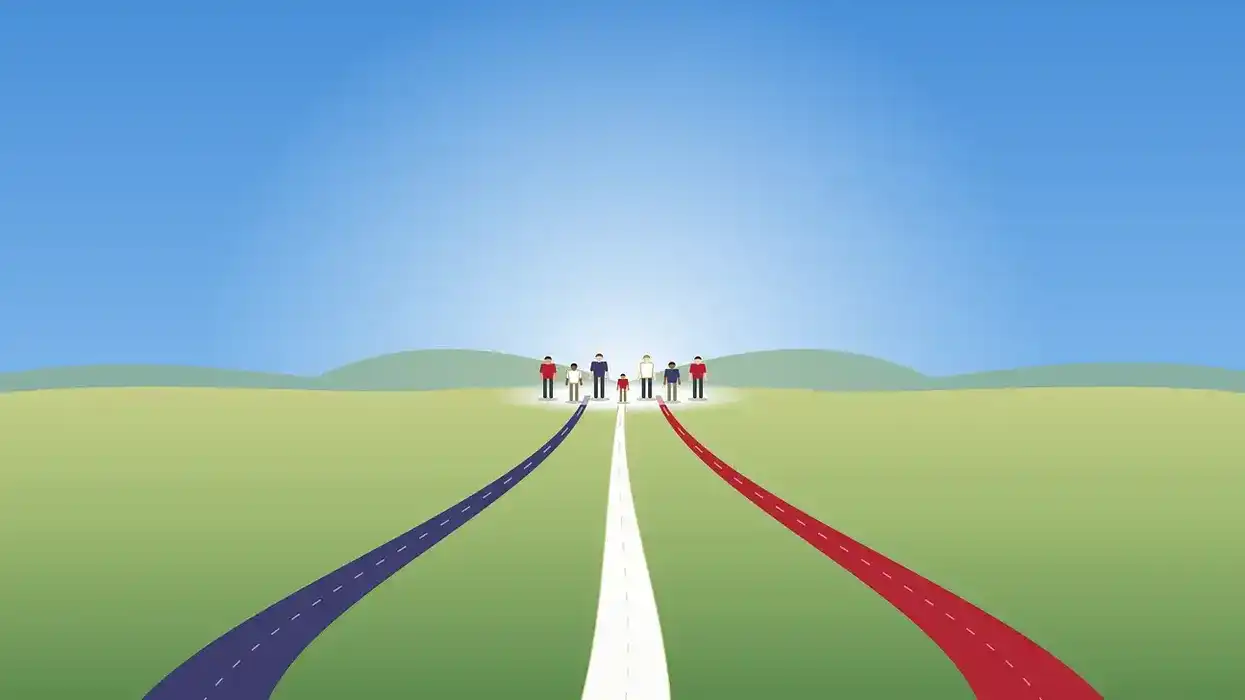
The cultural divide we see is not just about Bad Bunny. It is about the different visions Americans have for themselves and their country. One vision imagines a nation with a single language, a single cultural background, and a single way of life. The other sees America as a mosaic—multilingual, creative, always changing, and sometimes messy.
The Super Bowl is now the place where these two visions meet. The question is no longer just whether Bad Bunny will put on a great show. It is whether we, as a nation, are ready to face the deeper truth his presence shows us: America is changing, and the struggle over who belongs is not over.
The rallies, backlash, boycotts, and celebrations are all part of the same national conversation about identity and belonging. They remind us that entertainment has a big role in shaping our shared future.
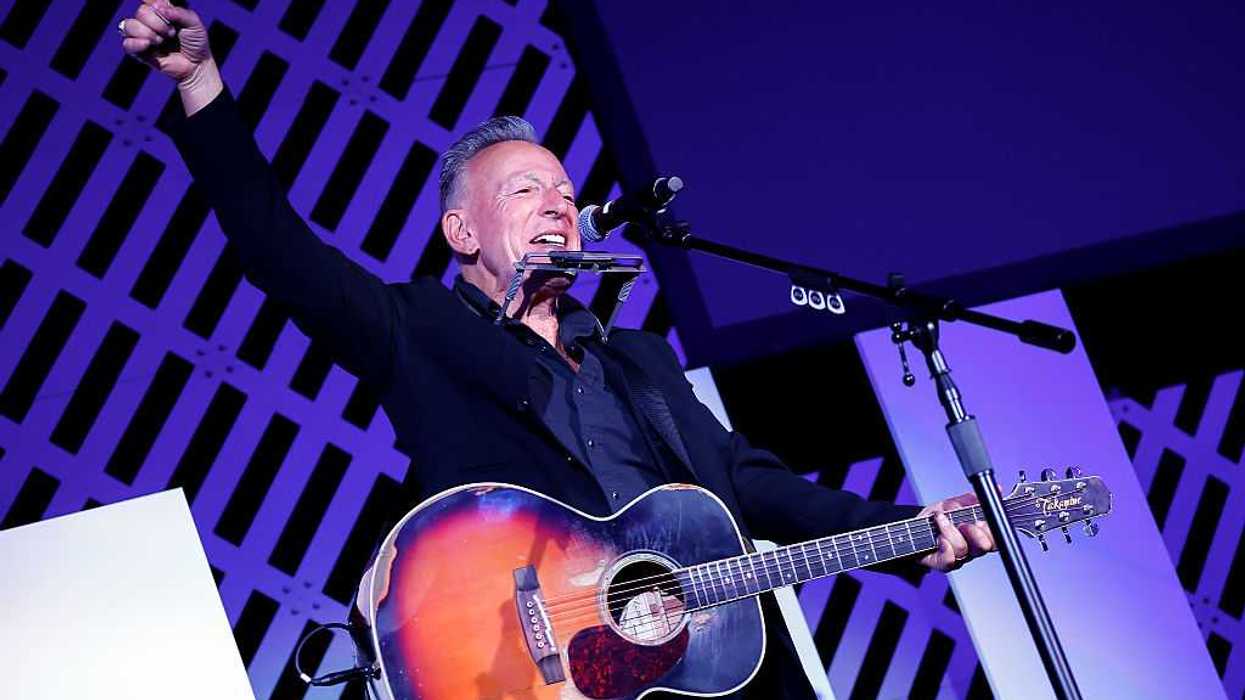
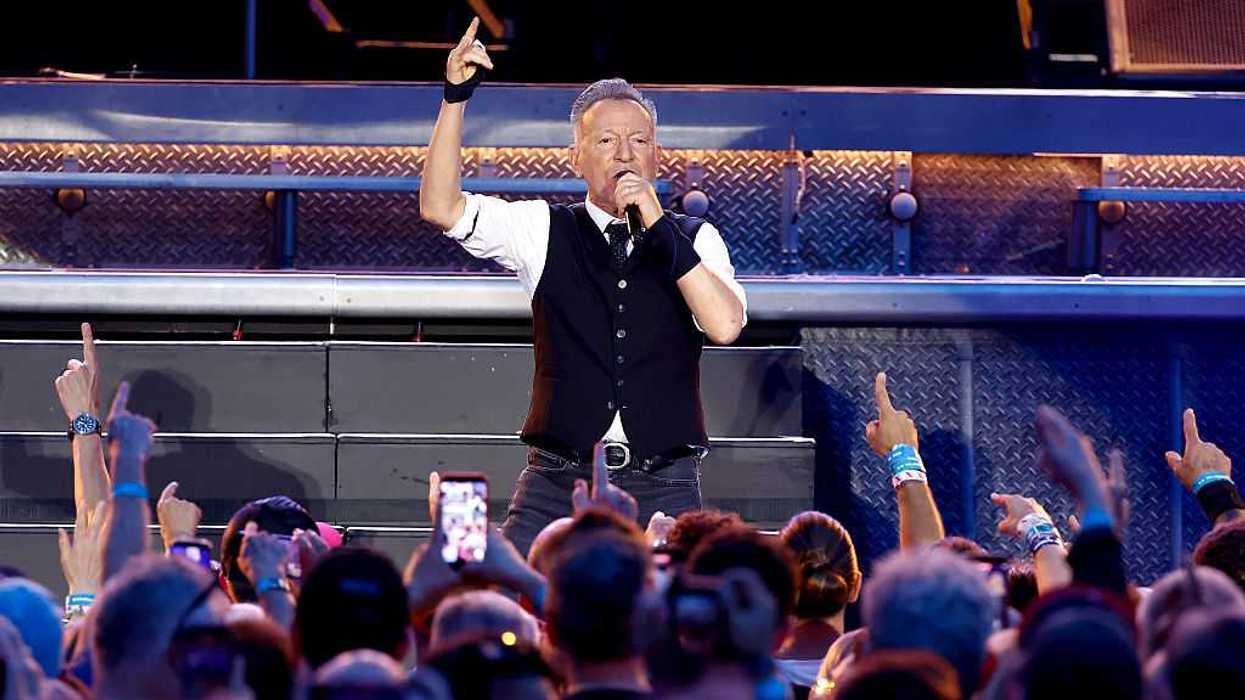
As Springsteen once said, let us speak out against authoritarianism and let freedom be heard. But maybe this moment asks for something more—the courage to imagine an America big enough for all of us.
The Super Bowl stage is ready. The world is watching.
David Nevins is the publisher of The Fulcrum and co-founder and board chairman of the Bridge Alliance Education Fund.