As Super Bowl LX gets closer, the cultural and political debate around Bad Bunny’s halftime show has grown. Last fall, the story started with him skipping U.S. tour dates because of fears about ICE raids. Now, it has become a national controversy, with even the President saying he will boycott the Super Bowl.
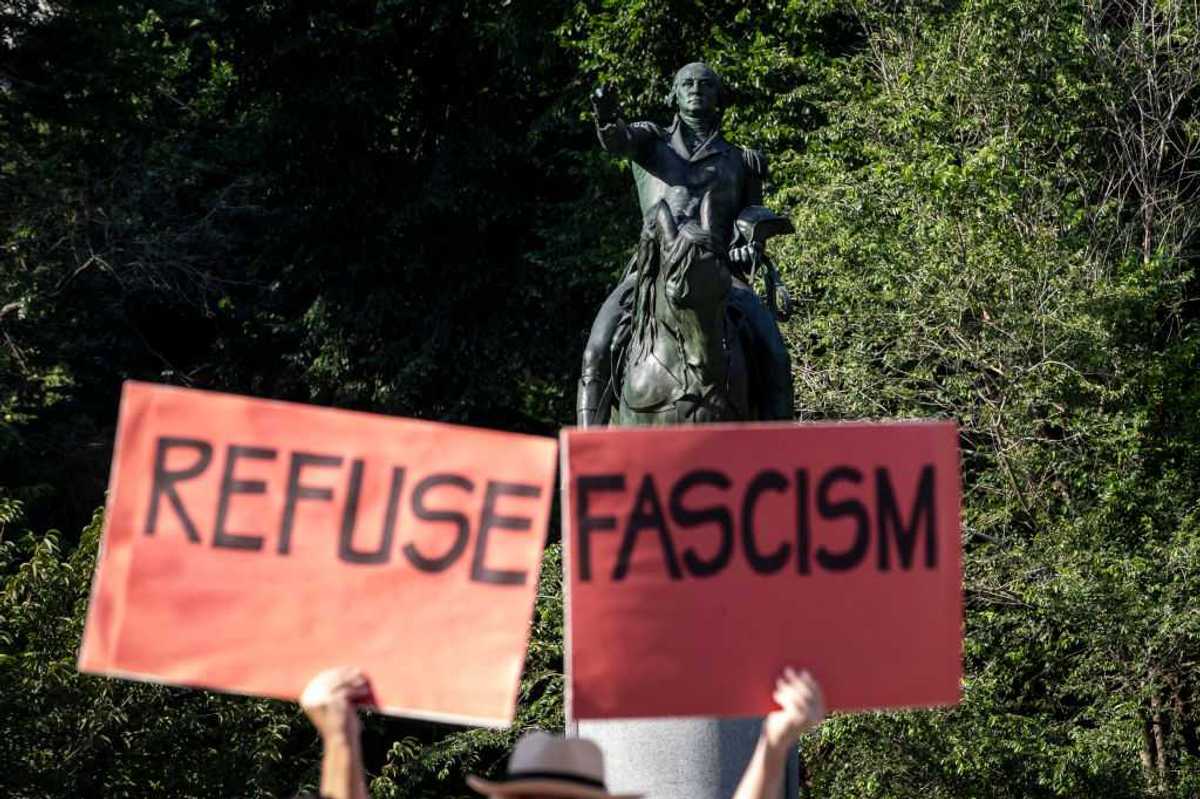
On October 7th, when I first wrote about Bad Bunny and the Super Bowl, I noticed that his decision to skip U.S. tour dates and the early rallies supporting him pointed to something bigger than music. It was already clear that his art was meeting the political tensions of the time. I didn’t expect the story to grow so quickly into a national controversy strong enough to lead to a presidential boycott.
In a January interview, President Trump said, “I’m anti‑them,” talking about both Bad Bunny and Green Day, who are set to perform at the Super Bowl. He called the NFL’s choices “a terrible choice… all it does is sow hatred.” He also said he would skip the game because it is “just too far away,” but his criticism of the performers has been all over the news.
Trump has criticized Bad Bunny for months. Last fall, he told Newsmax he had “never heard of” Bad Bunny and called the NFL’s decision “absolutely ridiculous.” Conservative commentators picked up on this, saying Bad Bunny’s Spanish-language music and pro-immigrant views are “un‑American,” even though he is a U.S. citizen from Puerto Rico. Some, like former race-car driver Danica Patrick, even said that “no songs in English should not be allowed” at the Super Bowl.
The backlash has gone beyond words. Homeland Security Secretary Kristi Noem said ICE agents would be “all over” the Super Bowl, adding to the atmosphere of fear that first made Bad Bunny avoid U.S. tour dates in fall 2025.
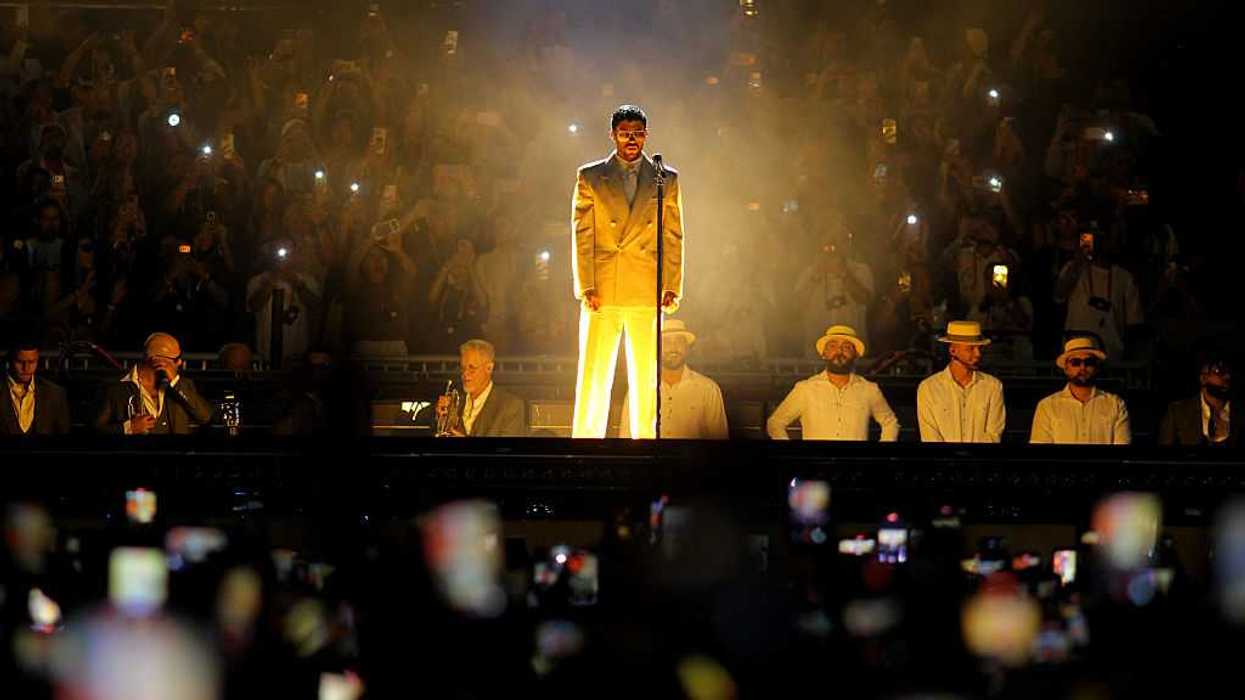
At the same time, Bad Bunny has embraced the moment with his usual confidence. There are rumors he might wear a dress during the halftime show as a tribute to Puerto Rican queer icons, which has sparked more outrage from MAGA commentators who say he is “politicizing” the event. The NFL has not changed its stance. Commissioner Roger Goodell said the league will not reconsider its choice and called Bad Bunny “one of the leading and most popular entertainers in the world.”
If anything, the controversy has made this year’s halftime show even more important. Bad Bunny’s performance is now more than just music; it’s become a debate about who defines American culture.
The public is reacting, too. On social media, fans are supporting the political side of the moment. One person wrote: “I hope Bad Bunny doesn’t speak a lick of English during his Super Bowl performance… I want my bigot tears to be extra salty the next morning.”
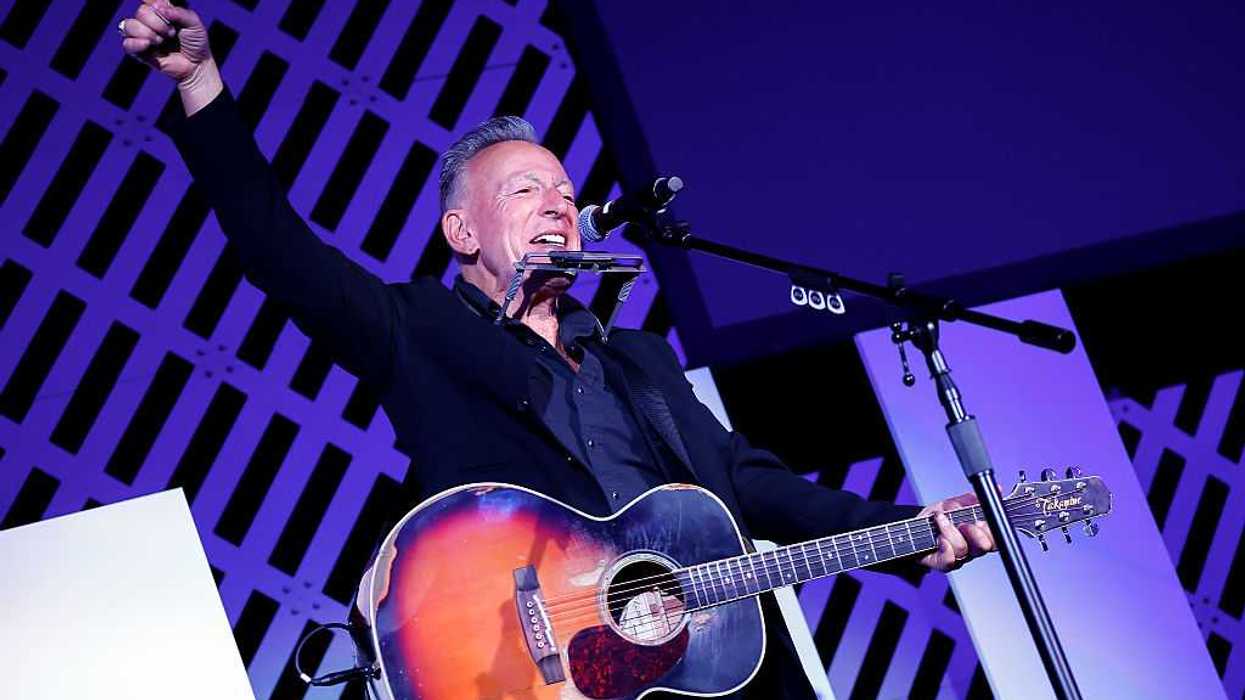
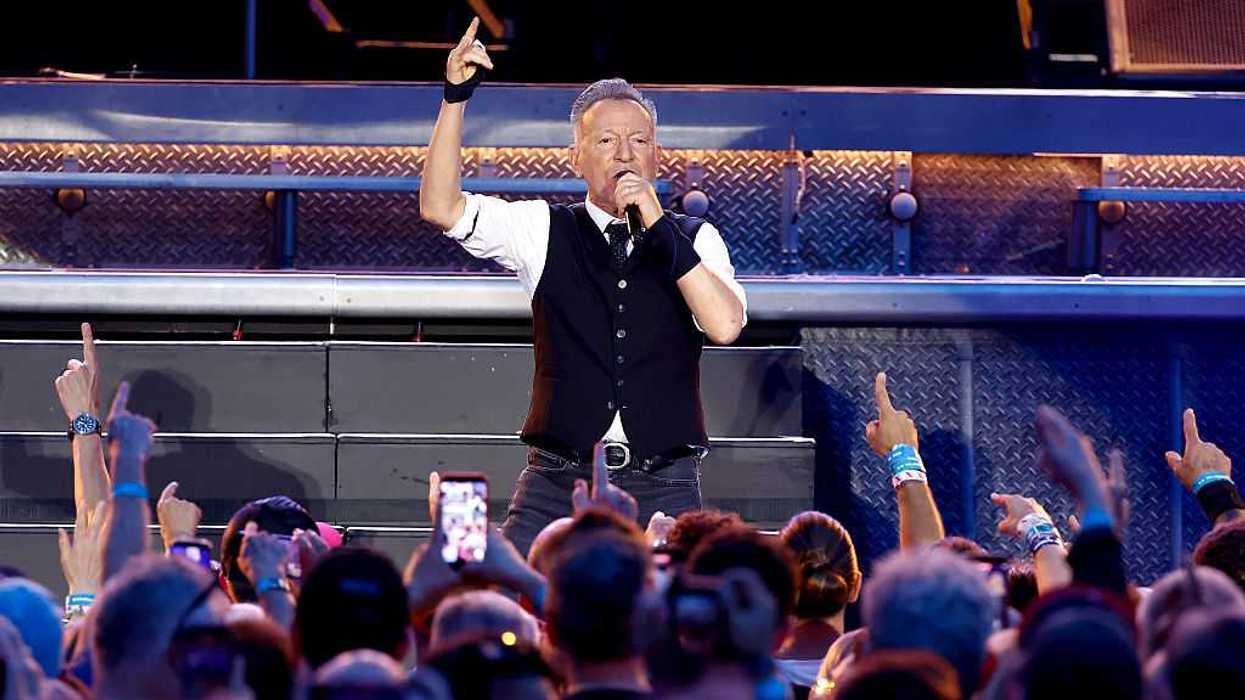
This cultural conflict is similar to past artist-led protest movements. Like Springsteen’s criticism of authoritarianism that spread across Europe last year, Bad Bunny’s appearance on the world’s biggest stage is starting a national conversation about identity, belonging, and power. As in the 1960s and 70s, artists are again entering public debates, sometimes by choice and sometimes because politics push them there.
The conservative movement’s reaction is also notable. Turning Point USA announced an “All‑American Halftime Show” to run at the same time as the NFL’s broadcast, hoping to reclaim cultural ground. But even weeks before the game, they still haven’t said who will perform.
In contrast, Bad Bunny describes his performance as a way to celebrate his culture: “This is for my people, my culture, and our history.”
This attitude puts him among artists who have used their platforms to challenge those in power, from Nina Simone to Public Enemy, from the Harlem Renaissance to Hamilton. It shows that music has always played a big role in America’s cultural debates.
With the Super Bowl coming up, the main question isn’t whether Bad Bunny will put on a great show. It’s whether the country is ready to face what he stands for: a multicultural, multilingual, and proudly diverse America that won’t be intimidated.
In this way, the rallies, backlash, boycotts, and celebrations are all part of the bigger story about who we are and who we want to become.
As Springsteen once said, let’s speak out against authoritarianism and let freedom be heard. The stage is ready, and the world is watching.
David Nevins is the publisher of The Fulcrum and co-founder and board chairman of the Bridge Alliance Education Fund.