

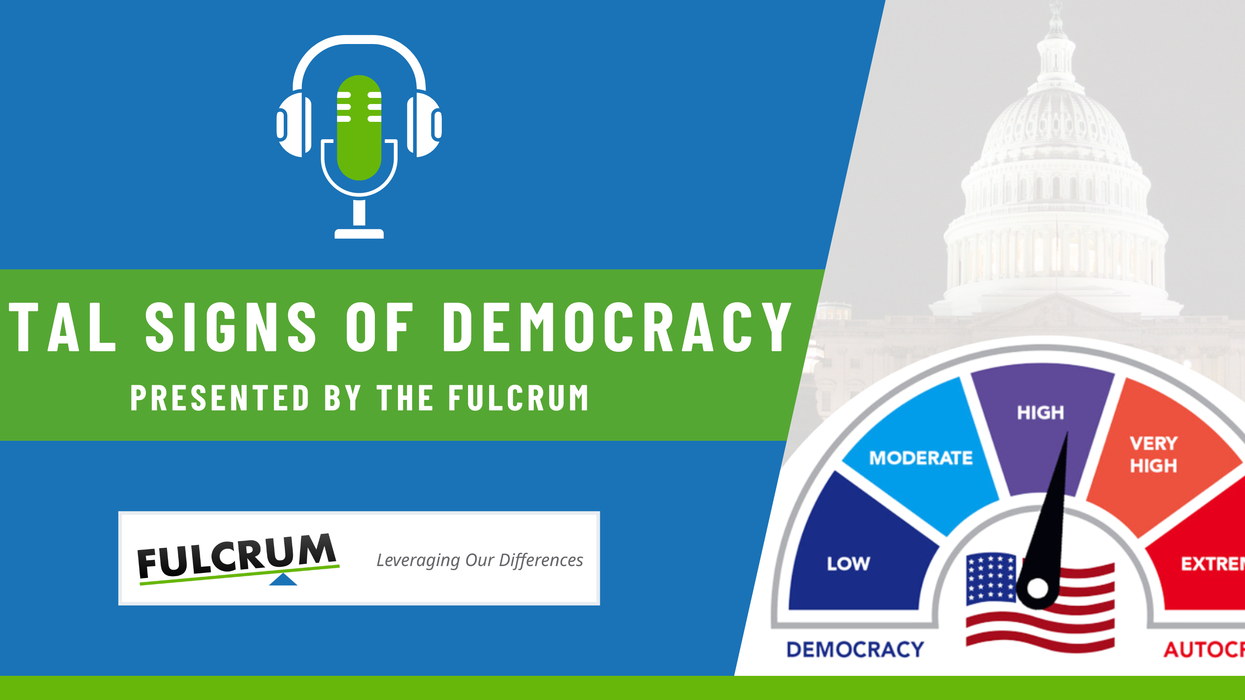
In this episode, Debilyn Molineaux and David Riordan examine the current 2024 presidential election narratives of the MAGA Republicans and Biden Democrats. We dig deeply into why MAGA Republicans still seem to be pitching stories that lost them the 2020 election? Finally, IF the news of the day is overwhelming your ability to manage the deluge of stories, let us offer you three simple things you can do to re-connect with your family and friends that go beyond politics.
Podcast: Political suicide?
Debilyn Molineaux
Debilyn Molineaux is the catalyst of JEDIfutures.org , a global initiative that helps people imagine and create just, equitable, dignified, and inclusive futures. She is best known for her pioneering work in civic innovation, having co-founded Bridge Alliance, Living Room Conversations, and National Week of Conversation. She formerly acted as co-publisher for The Fulcrum. Across these efforts, Debilyn has brought together unlikely allies to co-create solutions for democracy, governance, and social transformation.
Her work lives at the intersection of strategy, systems change, and spirit. A long-time practitioner of personal and collective growth, she brings a deep commitment to the inner dimensions of change that are often overlooked but essential to transformation. Debilyn speaks of the “interstitial spaces” — the connective tissue between people, institutions, and movements — where new possibilities take root.
She also hosts the podcast Terrified Nation, which helps audiences move from fear and despair into courage and action. Her voice is sought by impact investors, changemakers, and visionary leaders who want to align resources, imagination, and human growth toward a thriving future for all.
David Riordan
David Riordan is the director of Vital Signs of Democracy (VSD). David has a long history of producing Hollywood movies, interactive entertainment and documentaries.
The VSD team looks at stories in the news and determines if the events they are reporting on are threatening democracy in America. VSD uses a unique Artificial Intelligence narrative analysis process to rate news stories in 10 key categories and then aggregates those 10 individual scores into one master threat rating published every two weeks.
David and the VSD team identify politically as independents. At the moment their confidence level that either party can rally the 65% of the American public who still believe in democracy to stand up is low. That is why David and his team collect and analyze the stories we are currently telling about democracy in America in an attempt to identify thenarrative themes that will counter the anti-democratic story that is growing in influence.
David joins us twice a month to explore the news stories that are impacting democracy in America.