



Pay-for-play and quid pro quo have been elevated from corruption to custom, practiced in daylight as if they were the accepted rules of our democracy. What once would have been whispered in back rooms is now paraded openly, daring citizens to accept dysfunction as normal. This is not just corruption — it is the public erosion of democracy itself.
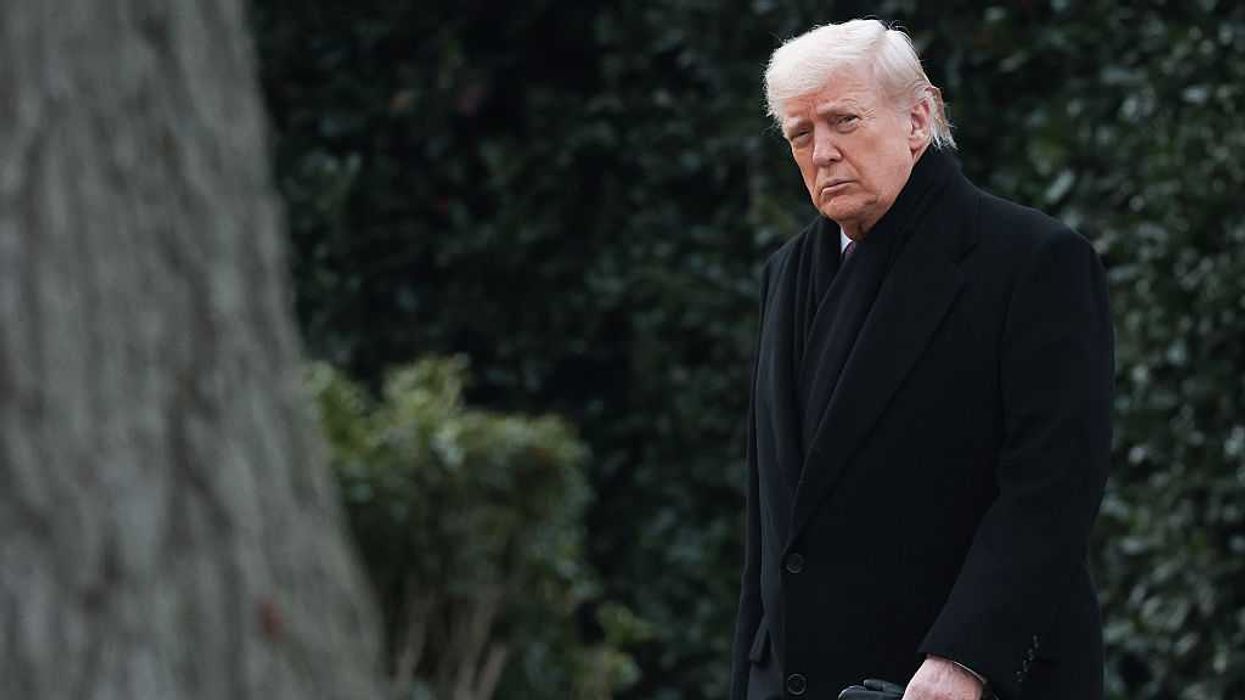
Americans are witnessing corruption run rampant, and those in power no longer bother to conceal it. Our president admires dictators, rewards loyalty over competence, and treats public office as a tool for private gain.
From Operation Ill Wind — the Pentagon scandal that sent more than 50 officials and contractors to prison — to Nixon’s Watergate cover‑up and Reagan’s Iran‑Contra defiance of Congress, corruption has long existed. Democrats have not been immune — recall the Clinton campaign finance controversies that raised alarms about foreign donations. Trump bragged about quid pro quo and pay for play even before he entered the White House. Once in power, his ego, abuse of authority, and conviction of immunity made him flaunt corruption in broad daylight. When arrogance is reinforced by institutional protection, it becomes conviction — and that conviction erodes democracy, signaling corruption in government.
Corruption is not a partisan issue — it is a bipartisan disease that erodes democracy and endangers the people it is meant to serve. The framers anticipated this danger and wrote safeguards into the Constitution, but those safeguards mean nothing if citizens remain divided and silent.
The evidence is everywhere. Hotels and golf courses abroad blur the line between public office and private business. Family entanglements are normalized — first a daughter and son‑in‑law in the White House, now a daughter‑in‑law’s father appointed as a diplomat, alongside friends elevated to positions of influence. Donors became ambassadors: Gordon Sondland gave $1 million before becoming EU Ambassador, and David Friedman was sent to Israel, where he had deep personal ties. These appointments were not about expertise — they were about money and loyalty.
Whistleblowers are penalized, voices silenced, and those who dare to resist — Liz Cheney, Jasmine Crockett, Mitt Romney, Lt. Vindman, Adam Kinzinger — are marginalized for their integrity. Integrity is punished in a corrupt system, while loyalty is rewarded.
The consequences are limitless. Corruption distorts the economy, channeling benefits to billionaires while ordinary citizens face poverty and despair. Gerrymandering manipulates elections to ensure power remains concentrated. The judiciary is weaponized against opponents, checks and balances collapse, and transparency vanishes. This is not governance for the people — it is governance for the powerful.
Take Elon Musk for example. He poured millions into Trump’s campaign and was elevated to a trusted insider, while NASA awarded SpaceX Artemis contracts and Tesla received federal loans totaling billions. Inspectors general who began probing those deals — and Trump’s own conduct — were fired, collapsing oversight. This was pay‑for‑play in plain sight: government contracts enriching a billionaire while federal workers and ordinary citizens bore the cost. Accountability was sacrificed, and the people suffered.
Foreign leaders once looked to the United States as a model of democratic integrity. That reputation has been tarnished. Allies now question America’s reliability, while adversaries exploit the weakness. Leaders abroad have learned that stroking Trump’s ego is the surest way to get what they want — whether favorable trade terms, military concessions, or diplomatic recognition.
Corruption in America is not only about personal enrichment — it is about dismantling democracy itself. Project 2025 is a blueprint for authoritarian control, designed to strip away checks and balances, concentrate power in the executive branch, and silence dissent. We saw the most violent expression of this corruption on January 6, when a lame duck president incited an attack on the very institutions he once swore to protect. That day was not an aberration — it was the culmination of lies, conspiracies, and a refusal to accept accountability.
The Big Beautiful Bill is another glaring example of corruption in plain sight. Marketed as reform, it is in reality a vehicle for billionaire enrichment and the erosion of protections for working families, nurses, students, and seniors. Cuts to SNAP, limits on Medicare, restrictions on child care, and reduced student aid reveal a government operating for the benefit of a few powerful people while ordinary citizens are left behind.
Corruption does not vanish — it quietly festers and entrenches itself. Then accountability becomes harder to enforce because the group protects itself through silence, mutual defense, and loyalty to power over principle. Meanwhile, ordinary Americans across red, blue, and purple states feel the impact in tangible ways: wages stagnate while billionaires prosper, health care and child care become unaffordable, student aid shrinks, and seniors see their benefits cut. Families face rising grocery and housing costs while government contracts and tax breaks flow to the well‑connected. Trust in institutions collapses, leaving citizens disillusioned and disengaged from civic life.
Votes alone are not enough. Citizens must press their representatives directly — by checking roll-call votes on congress.gov, writing letters, and attending town halls — to demand courage from leaders who too often shield one another through silence and mutual defense. Accountability cannot be enforced when loyalty to power replaces loyalty to principle. Leaders must work across the aisle, honor their oaths, and restore the separation of powers that protects democracy from abuse.
Structural reform is essential. Big money donors must be stopped, or at least capped. When billionaires can pour unlimited funds into campaigns, they distort democracy itself. Even when citizens went to court in 2024 to challenge this system, figures like Musk prevailed, reinforcing the dominance of wealth over the will of the people. Campaign finance reform is not optional — it is the foundation of restoring integrity.
Rehiring independent watchdogs and inspectors general — and finishing the investigations they began — is a simple but powerful step toward accountability. Citizens can amplify this demand by supporting watchdog groups like Project on Government Oversight, Common Cause, and the League of Women Voters, whether through donations, volunteering, or sharing their reports.
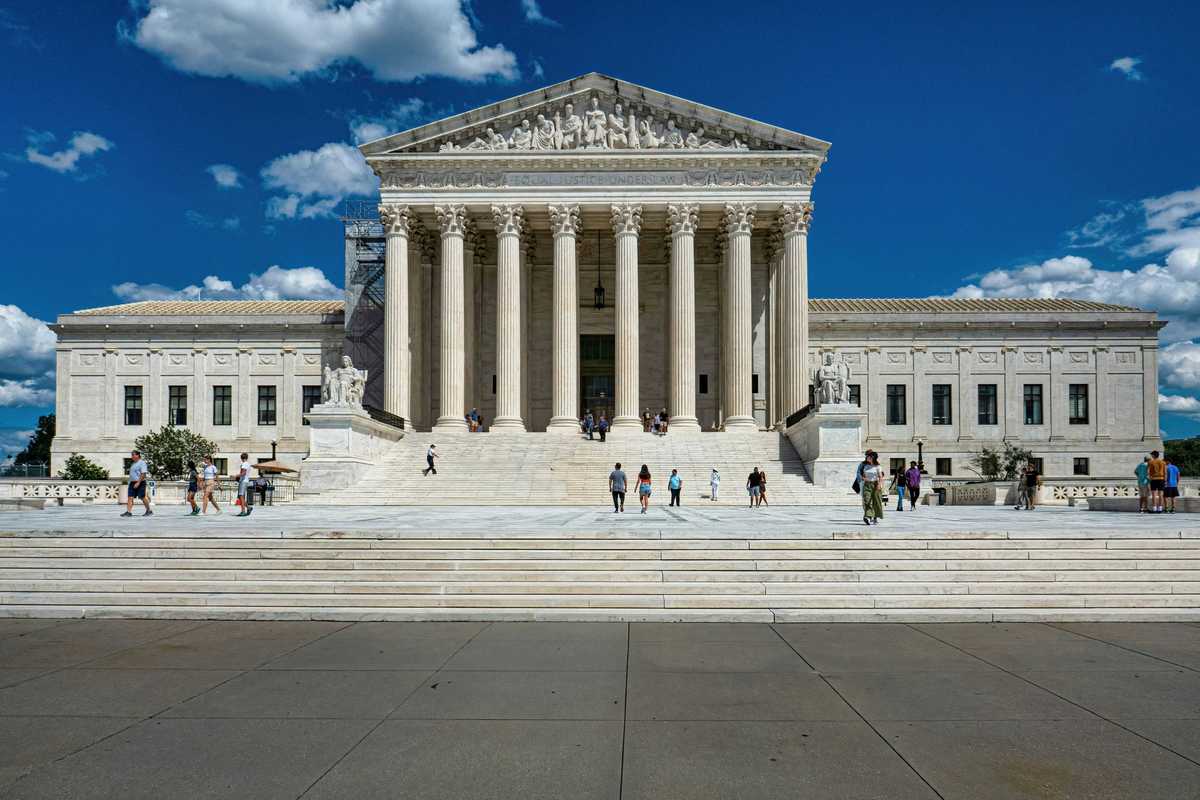
The framers anticipated corruption. The Domestic Emoluments Clause bars presidents from receiving anything beyond their salary, while the Foreign Emoluments Clause prohibits gifts from foreign states without Congress’s consent. Yet Trump ignored these safeguards, continuing business entanglements and foreign payments. Even the Supreme Court has not been immune: justices accepted luxury gifts and private jet travel from billionaires with interests before the Court. Enforcing these clauses must be part of the solution — and citizens can help by demanding their representatives uphold these constitutional boundaries.
Americans must come together — across party lines and communities — to stamp out corruption with our voices, our votes, and our persistence. That means speaking out in local papers, demanding oversight by contacting representatives about unfinished investigations, and supporting watchdogs through civic action. It means voting in every election, verifying registration at vote.gov, volunteering as a poll worker, and helping neighbors register or reach the polls. It means attending town halls, signing petitions, and joining civic accountability groups.
If we fail to act, corruption will continue to erode our democracy, weaken institutions, and strip away protections that keep families safe. On a scale from 1 to 10, with 10 being highly corrupt, America is at a 9 — rapidly moving toward collapse unless citizens act. Trump made it plain: power unchecked corrodes a country and erodes democracy. The antidote is unity, courage, and relentless civic engagement — translated into action today.
Carolyn Goode is a retired educational leader and advocate for ethical leadership, government accountability, and civic empowerment. She focuses her writing on exposing hypocrisy and restoring integrity in public service.







The President Invited Iran to Bomb My Home