




I have an identical twin sister. Although our faces can unlock each other’s iPhones, even the two of us are not exactly the same. If identical twins can differ, wouldn’t most people be different too? Why is diversity considered a bad word?
Like me, my twin sister is in computing, yet we are unique in many ways. She works in industry, while I am in academia. She’s allergic to guinea pigs, while I had pet guinea pigs (yep, that’s how she found out). Even our voices aren’t the same. As a kid, I was definitely the chattier one, while she loved taking walks together in silence (which, of course, drove me crazy).
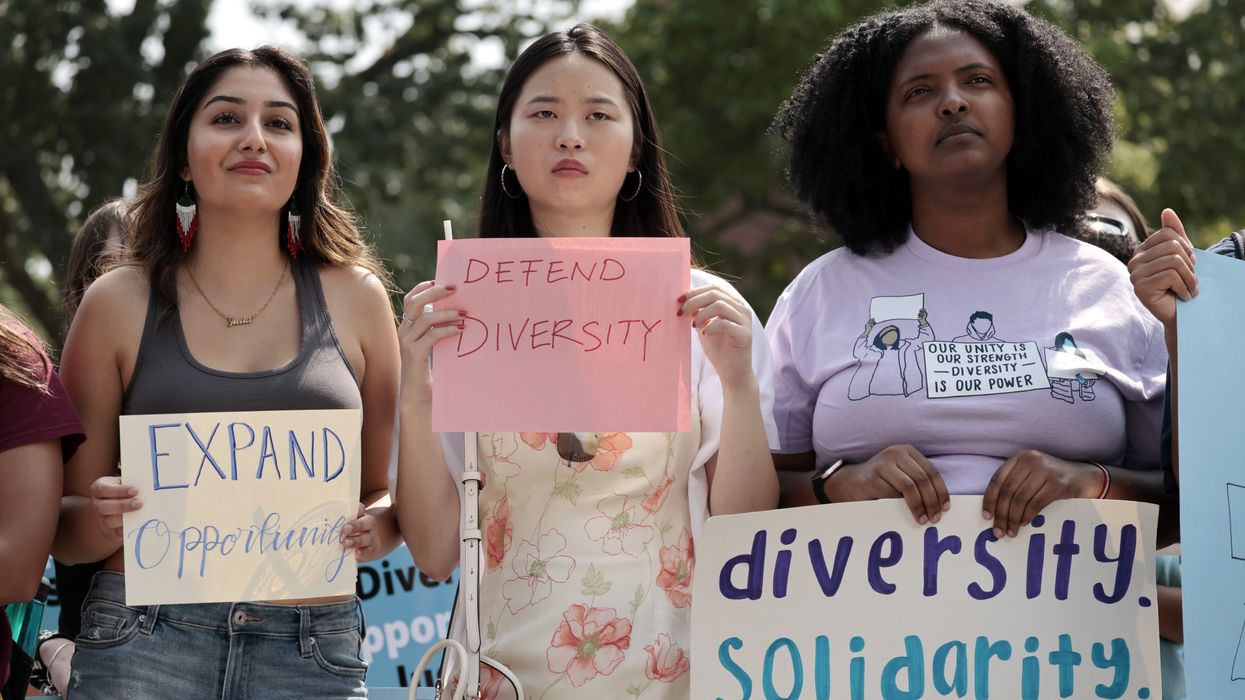
Just last month, universities have been changing the names of committees to remove the word “diversity,” magazines for women and Black students are being shut down, nonprofits providing scholarships for Hispanic students are being sued, and companies are eliminating their Diversity, Equity, and Inclusion (DEI) programs and stopping annual diversity reports.
In 2025, in the United States, “diversity” has been flagged as a word to avoid. But is it really a bad word? People, by nature, vary. We grow up in a range of countries, states, and cities. We may be different ages or genders and come from many cultures, religions, racial and ethnic backgrounds, and socioeconomic situations. Our brains don’t all work the same, as some of us experience ADHD, autism, or other forms of neurodiversity. According to the World Health Organization, more than one billion people worldwide have disabilities. Many have experienced trauma, illness, cancer, or are supporting relatives who have.
Our experiences are all unique and form us into who we are.
Growing up as a female computer scientist, I often stood out in classes and professional environments. Once, at a robotics competition, a well-known female professor from another university greeted me by name. I was shocked (and honored!). I asked my fellow students how she knew who I was, and one of them said something like, “Look around you,” and I realized I was the only female in my group. I guess it wasn’t too hard to learn my name.
People are diverse in many ways.
As an associate professor in a school of information sciences, one of the things I love most is the variety of academic backgrounds and expertise around me. I learn something new every day from my colleagues’ work, while also contributing my own perspectives to our conversations.
When it comes to my research on accessibility, my students and I discuss these differences, and I’ve been struggling to come to terms with why diversity has become a word we are no longer using.
Researchers are removing the word “diversity” from grants, 35 major companies rolled back their DEI programs, and the federal government is calling DEI programs illegal. Target, which had once been an advocate for diversity, has been removing the word from its reports. Many are boycotting Target due to its reversal of DEI policies, which affected its Black Friday sales.
While some DEI initiatives have fallen short, thoughtfully refining them would have been a better approach than abandoning diversity altogether.
Having diversity is a positive. Research shows that diverse teams can be more effective. Diversity can lead to better problem-solving and outcomes that benefit a wider range of people.
Standing up for diversity is not going to be easy in today’s times. It will take courage to focus on the strength of our multiple perspectives, backgrounds, and experiences instead of hiding them. By noticing and valuing our differences, we can create spaces where everyone’s contributions are recognized and welcome.
If even identical twins aren’t exactly identical, why would we expect a community, workplace, or classroom to be?
I hope we take the time to appreciate the diverse experiences of our friends, colleagues, and students, and consider how we can turn diversity into a positive for everyone.










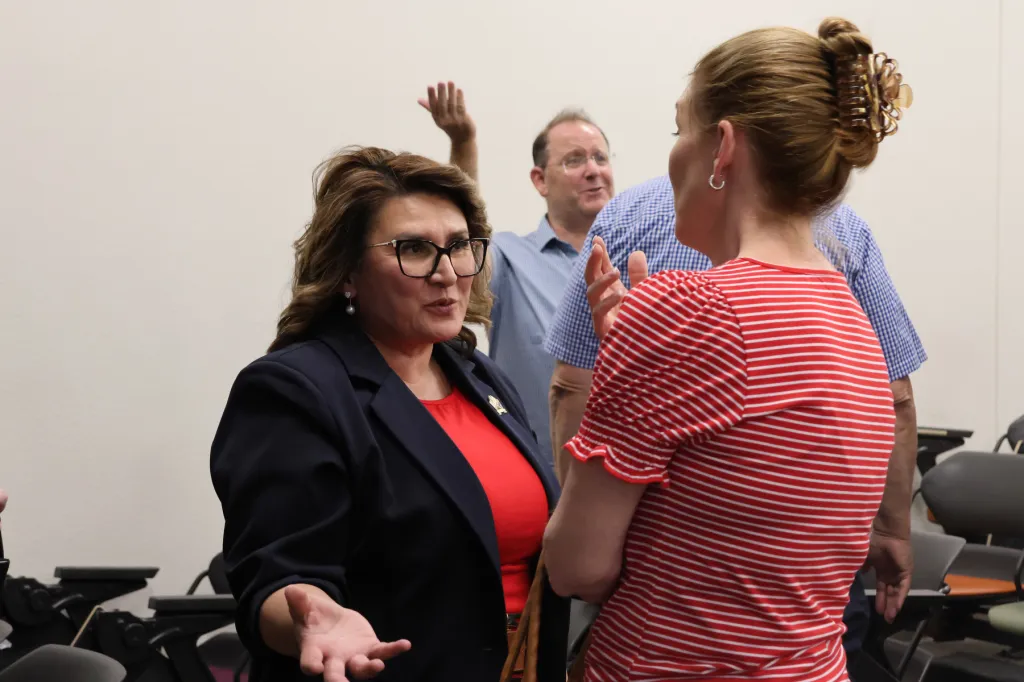 Congressional candidate JoAnna Mendoza has leaned into her working class background as she runs for a seat in the U.S. House to represent Arizona’s 6th congressional district. (Courtesy JoAnna Mendoza campaign)
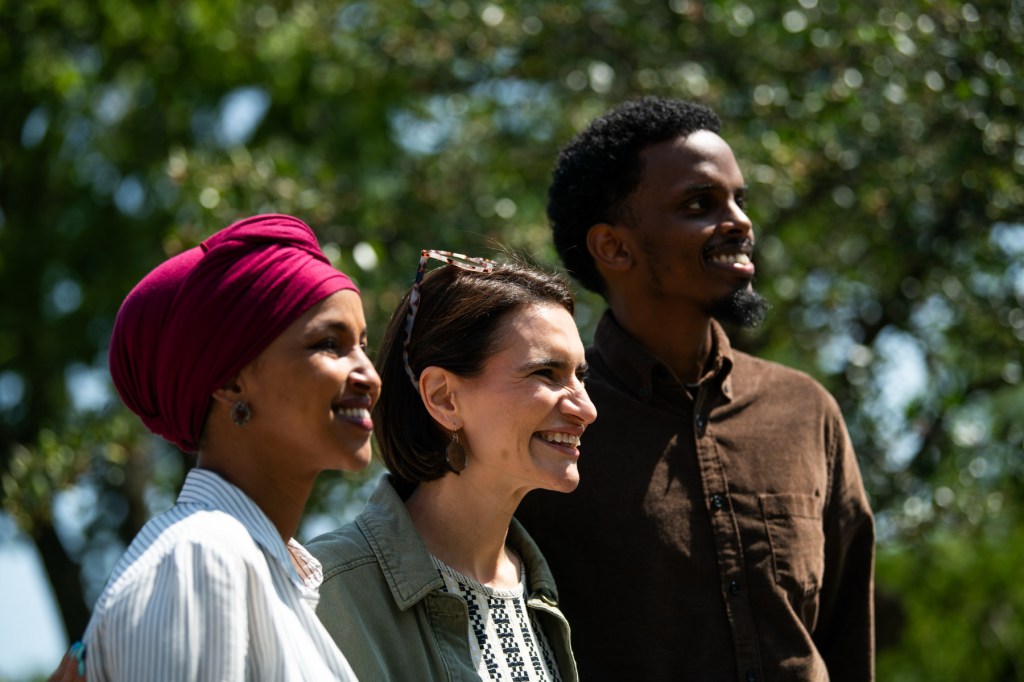 Politicians who come from working class backgrounds, like Minnesota Lt. Gov. Peggy Flanagan (center) and Minnesota state Sen. Omar Fateh (right), are resonating with voters during a particularly challenging economic period. (Stephen Maturen/Getty Images)
The President Invited Iran to Bomb My Home