






Amid the pushback to DEI, an essential truth often gets lost: You have agency over how you approach building diversity, equity, and inclusion into your organization.
No executive order or unhinged rant can change that.
Yes, DEI, in acronym form, has become a quagmire that poses real risks. But in spirit and intent, there’s no reason it can't flourish as a core value and standard practice within your organization.
To achieve this requires shifting away from the political to the possible. It remains possible to commit to building a work environment where differences are not simply celebrated, but leveraged for greater impact and stronger results.
After all, we still have reams of research-backed conclusions that organizations that embrace and promote diversity are more successful than those that don’t.
DEI never was, and never will be, a tangible thing. It’s a value-driven, data-affirmed belief that all of society advances when everyone has the opportunity to achieve their full potential.
The pressing question then becomes, what is the most promising path forward?
Moving beyond the acronym
The first step is to reframe our efforts through the lens of building and strengthening thriving communities within our respective workplaces.
There’s both a practical and aspirational rationale for this.
The practical aspect acknowledges the reality on the ground that DEI, as a formally structured approach, has been weaponized and distorted to the extent that it no longer offers a viable path to progress.
There are times when certain ideas and initiatives become so easily reduced to tidy acronym-wrapped packages that the package itself becomes the primary focus, rather than the contents within. Taken to its extreme, that package becomes toxic to everyone it touches, regardless of their view on its value.
That leaves us with the challenge of pursuing the data-and-research-proven benefits of a diverse, equitable, and inclusive workplace while avoiding the constant need to fend off attacks or water down our goals.
To do so will require expressing values and benefits in ways that speak to a broader audience, while freeing organizations to strive for the success that a diverse and inclusive work environment creates.
Framing this approach around the concept of community building can help unlock the path to achieving that goal. Pretty much everyone likes the concept of community – from your Trump-stomping neighbor to the woman down the street who still has an Obama-era Hope & Change placard in her window.
The promise of community framing
There’s sound research to back this up.
PACE’s Civic Language Perceptions Project annually surveys registered voters to gauge their reactions to words and terms that are frequently used in communications about civic issues.
Its most recent survey found ‘community’ is a word that resonates with liberals and conservatives alike. It scores well whether you live in a small town or a big city, or whether you’re young or old.
As a leader of an executive search firm navigating the current climate — while ensuring organizations have access to a blend of excellent candidates with diverse experiences, backgrounds, skills, and unique strengths — we are finding that introducing community framing offers promise.
Think about it. The best workplaces foster and grow a strong sense of community. It’s a mindset that is central to building welcoming and thriving cultures. If you can maintain an authentic sense of community, you become an organization where everyone wants to contribute -- and deeply values the contribution of others.
Isn’t that a place where you could do your best work? And attract others who feel the same?
Key characteristics of healthy communities
So ask yourself: Which communities seem to operate in the most meaningful and healthy ways?
In my experience, these communities:
- Benefit from a range of people committed to the same values and goals while also bringing diverse perspectives drawn from their individual experiences, backgrounds, passions, and priorities.
- Thrive when there is an underlying and persistent sense of fairness and opportunity for all based on a shared, often unspoken, belief that the community operates at its full potential when success and advancement are encouraged and celebrated by all.
- Foster loyalty and greater retention by ensuring employees recognize the ongoing commitment to inclusivity and equity.
- Become more powerful and resilient when everyone feels welcomed and appreciated for offering up their authentic selves, which, taken together, create a stronger collective.
If those traits bring to mind the fundamental elements of a certain acronym that has become a volatile flashpoint, I think we’re on the same page.
Yet viewed another way, when the DEI principles are put into service thoughtfully and with intention, aren’t they ultimately driving toward the aim of fostering a strong sense of community?
That is the moment that demands evolved thinking – thinking that gets to the essence of what is most valuable and how we can move forward in positive ways.
Take an aspirational approach
That’s where the aspirational part comes into play.
As you consider your current team – and how you’d like to grow and strengthen it – think about what kind of community you have built within your organization – and how you can ensure it thrives in the future. To do that, ask yourself:
- In what ways could future hires support the existing community while adding unique strengths and insights?
- How could those hires strengthen a sense of purpose and excite fellow community members about the potential to advance your mission further?
- And in what ways could adding to your leadership team expose everyone to new ideas and fresh thinking in ways that naturally encourage meaningful discourse and collaboration?
No doubt, the political war against diversity, equity, and inclusion initiatives will continue to rage. Yet you have the power and agency to write your own narrative.
A good place to start is by building a community within your organization where people from all backgrounds and walks of life feel seen, valued, and welcome.
Vincent Robinson is the founder and managing partner of the 360 Group, an executive search company that places leaders at nonprofits and foundations.













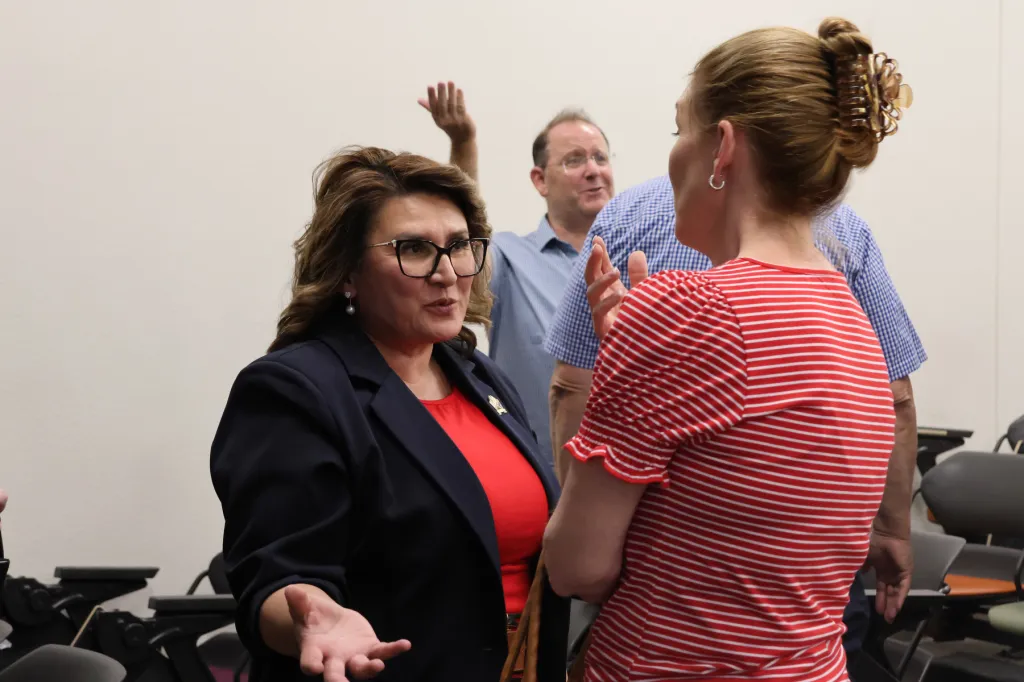 Congressional candidate JoAnna Mendoza has leaned into her working class background as she runs for a seat in the U.S. House to represent Arizona’s 6th congressional district. (Courtesy JoAnna Mendoza campaign)
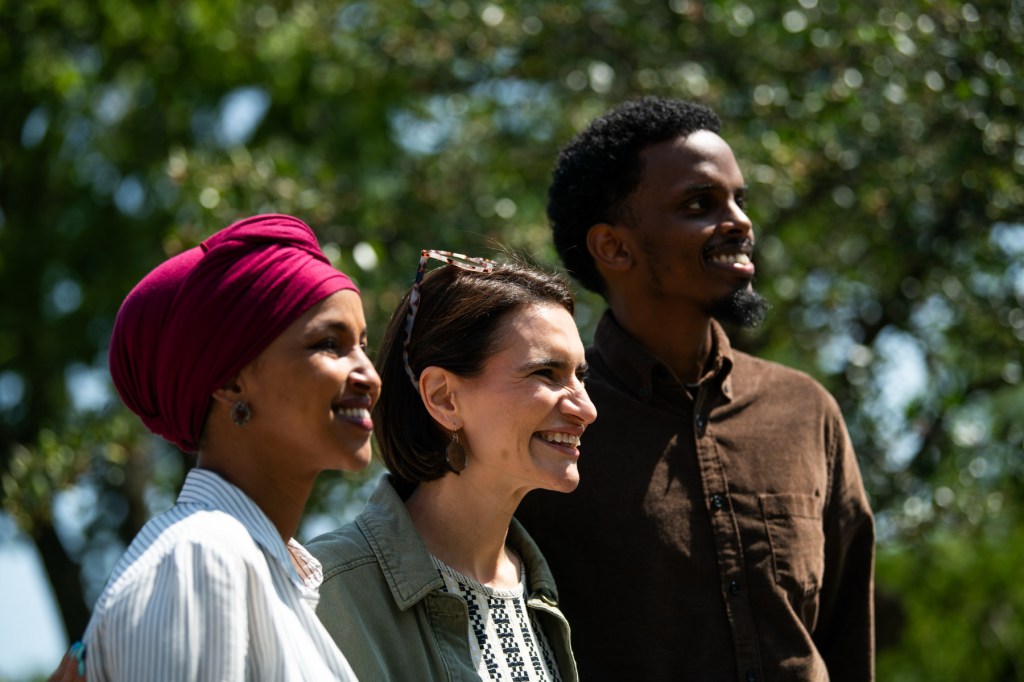 Politicians who come from working class backgrounds, like Minnesota Lt. Gov. Peggy Flanagan (center) and Minnesota state Sen. Omar Fateh (right), are resonating with voters during a particularly challenging economic period. (Stephen Maturen/Getty Images)
The President Invited Iran to Bomb My Home