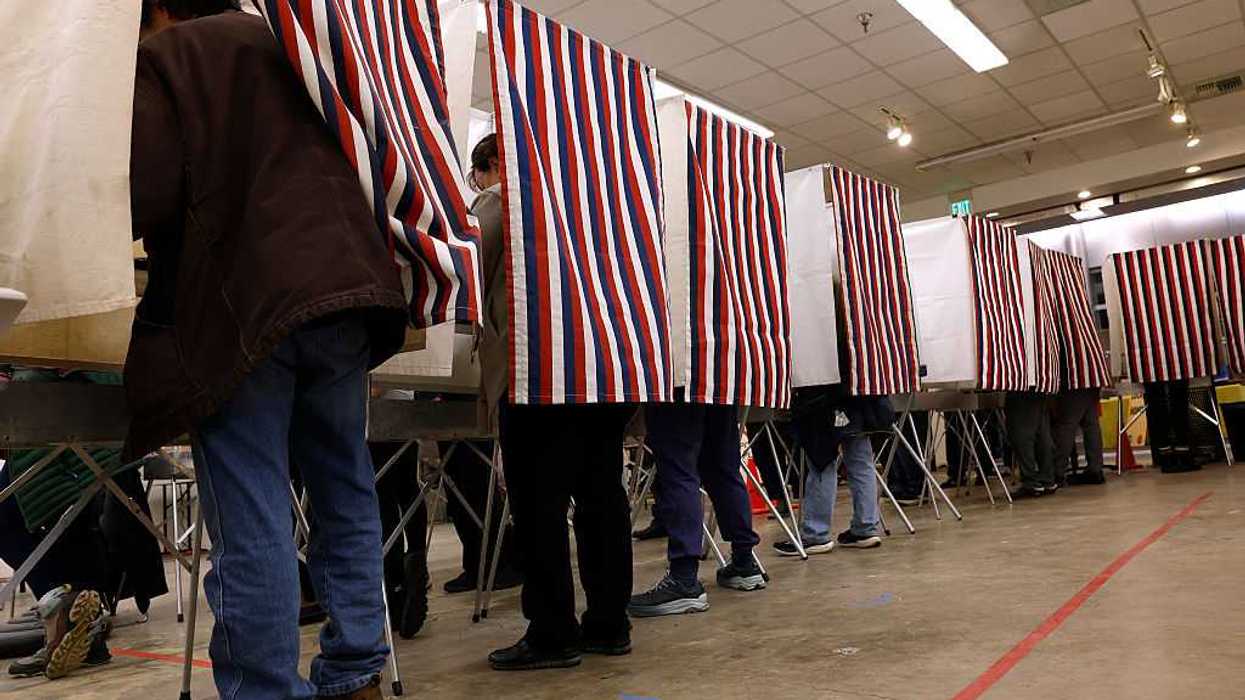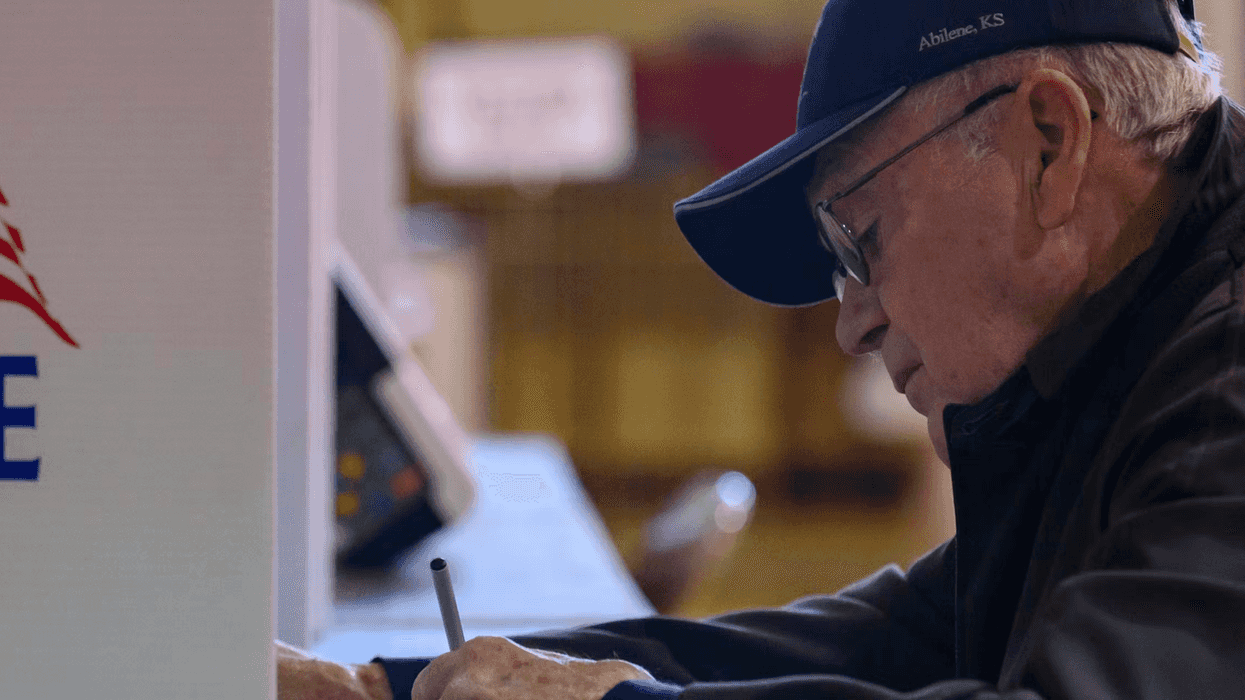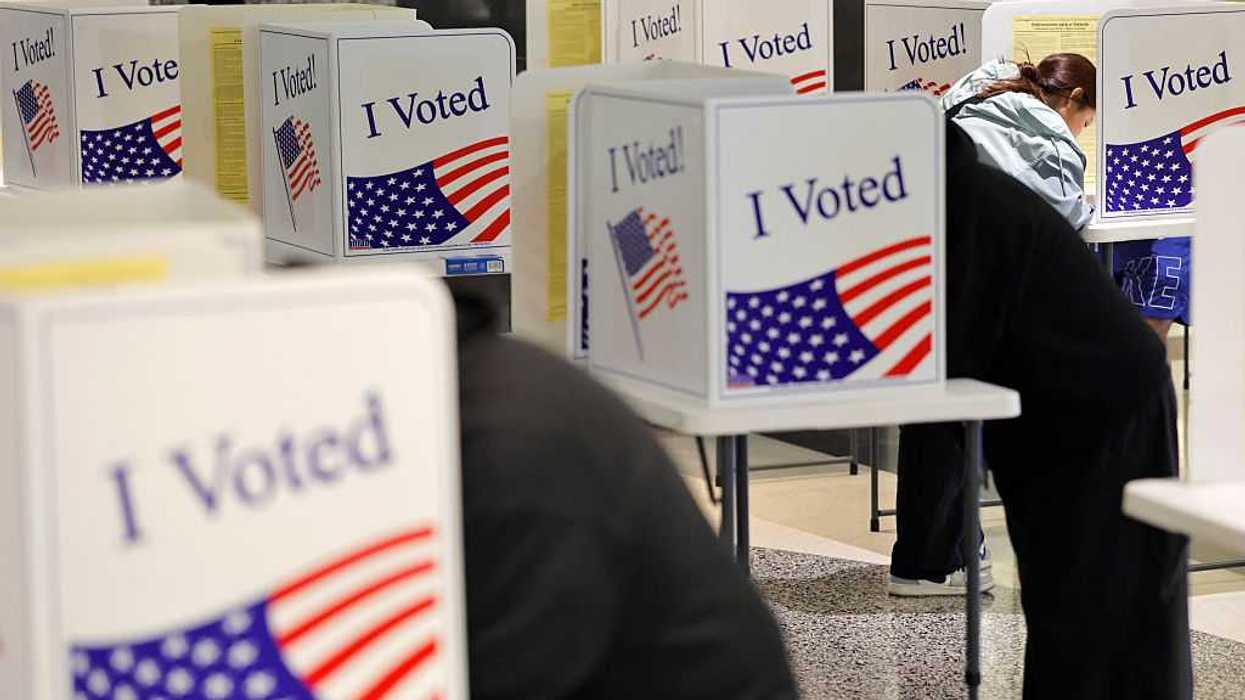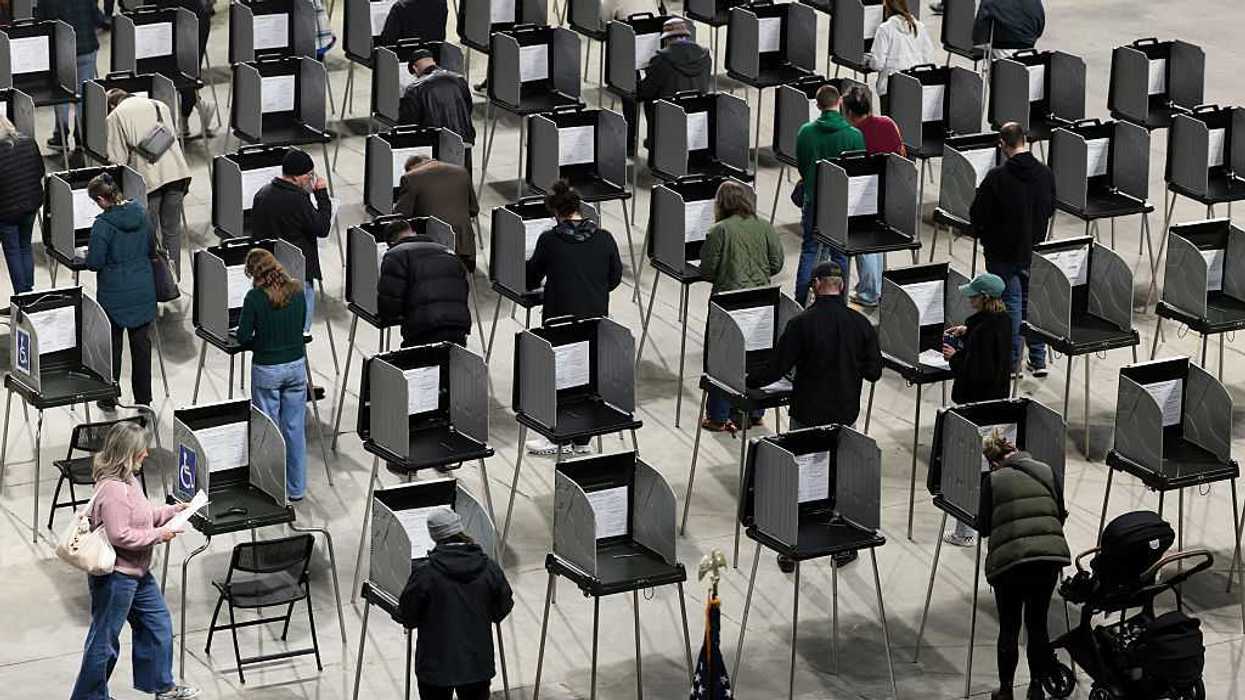

More than half of America’s military veterans identify as independents, not Democrats or Republicans. Yet in many states with closed primary systems, those voters are barred from participating in taxpayer-funded primary elections. Because veterans swear an oath to defend the Constitution, not a political party, a growing coalition of veteran-led organizations is advocating for open primaries and other electoral reforms designed to expand voter participation and strengthen representative democracy.
In Kentucky, veterans have emerged as leading voices in a nonpartisan campaign to open the Commonwealth’s closed primary system. Their efforts come as the state's electorate shifts: independent voters are the fastest-growing segment of registered voters.
Heading into the 2026 midterm elections, independent registration is outpacing growth among both major parties. In July 2026, new independent registrations surpassed those of Republicans and Democrats combined. Independents now make up roughly 11% of Kentucky voters, but the Commonwealth remains the only Southern state with a fully closed primary system, which prevents non-affiliated voters from participating in elections that often determine who ultimately holds office.
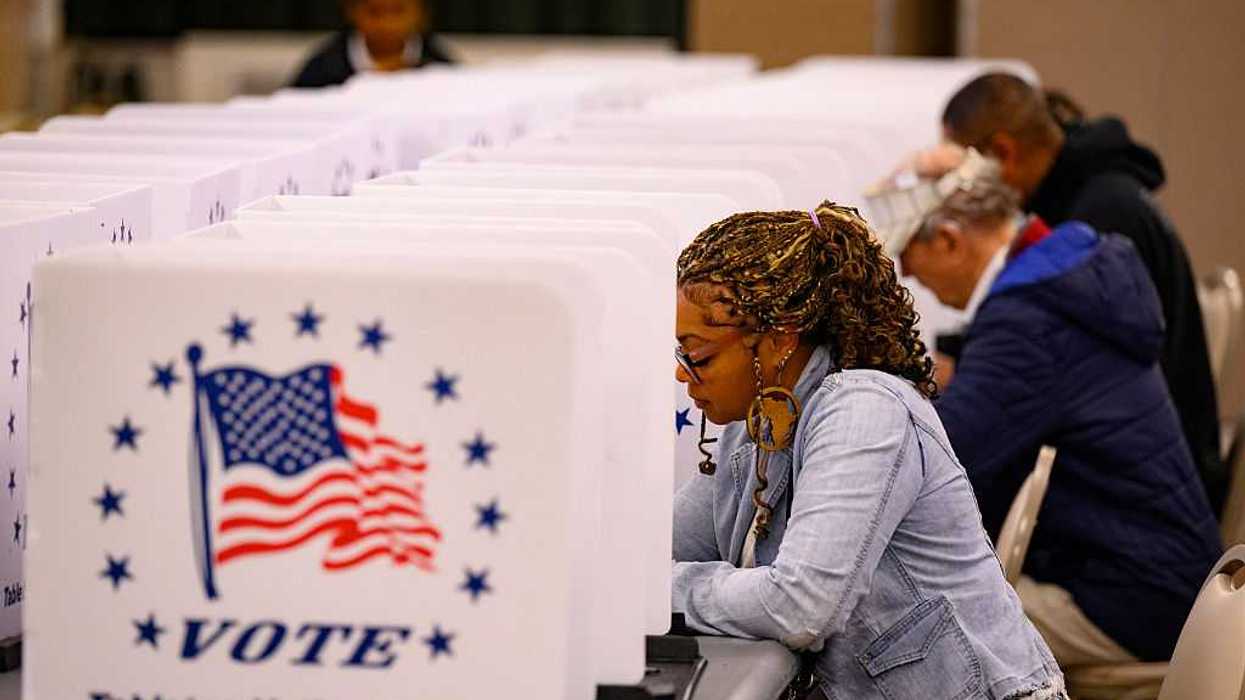
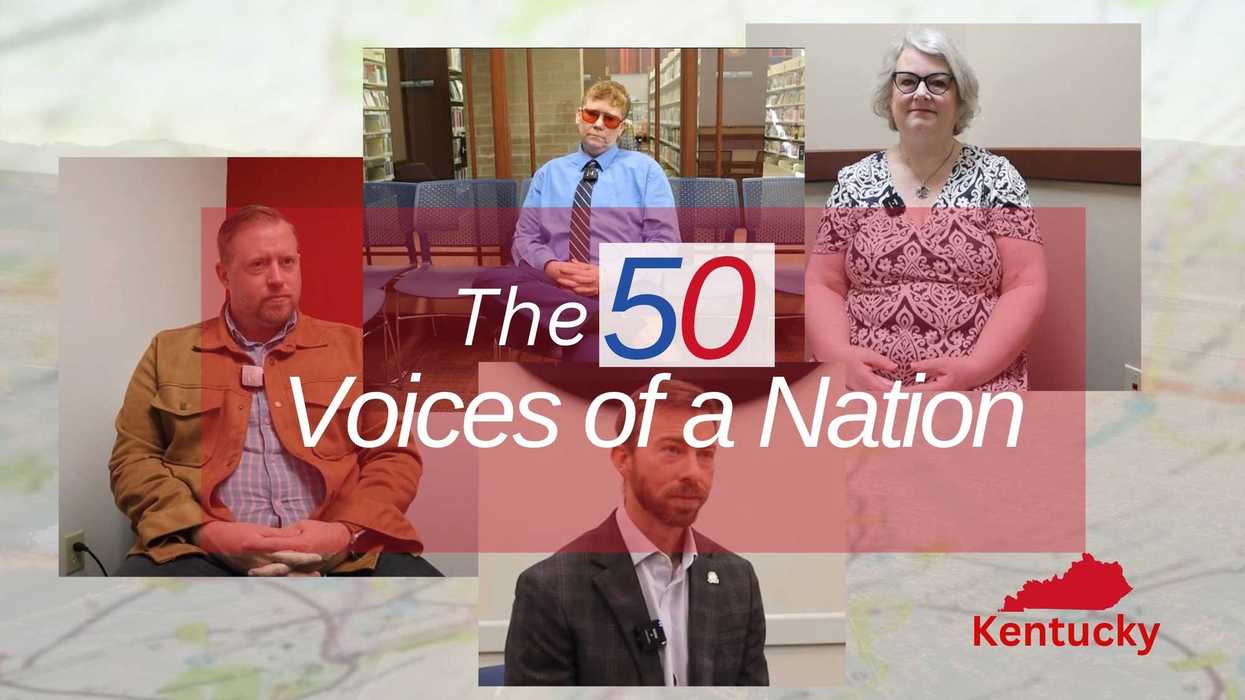
For many Kentuckians, the issue isn't partisanship; it's representation. They pay taxes that help fund primary elections yet have no voice in selecting the candidates who appear on the general election ballot. Among them is Jessica McWhorter, a Marine veteran and Libertarian voter, who says the disconnect raises fundamental questions about fairness and participation in the democratic process:
It's not like I'm getting to vote for my representation; it's pretty much I have to take what I get, which is just not right. That's not what—when we first had this idea of a republic, that's not what it was based off of. Everybody was just Americans."
Known affectionately as "Mac" within many of her networks, Jessica McWhorter is heavily involved in high-level leadership roles dedicated to supporting fellow service members. She serves in the Veterans of Foreign Wars (VFW) as the Department of Kentucky State Student Veterans Chairman and as both Commander of Millsprings VFW Post 269 and a District 11 officer. Her extensive dedication to the organization has earned her national recognition, holding the title of National Aide-de-Camp to the VFW Commander-in-Chief. Beyond her work with the VFW, McWhorter collaborates with organizations like the Kentucky Department of Veterans Affairs (KDVA) to foster community and share vital, life-changing resources tailored for women veterans.
I spoke with McWhorter and other veterans for an episode of The Fulcrum's award-winning series The 50: Voices of a Nation, which explores how participation, representation, and trust are shaping civic life across the Commonwealth.
- YouTube youtu.be
Veterans’ advocate Daniel Collins emphasizes that the consequences of closed primaries extend far beyond administrative access, striking at the core of civic trust and representation:
"I'm not blue, I'm not red, I am Dan. And the more they try to label me one way or the other, the less American they are. And I will let them know that. Like, you can go ahead and paint me one way or the other, but that's not the American thing to do. The American thing to do is unite."
Collins is a military veteran and grassroots election reform advocate in Kentucky who serves as a prominent nonpartisan voice campaigning to open the state's closed primary voting system to the fast-growing segment of independent voters. As a Kentucky State Leader for Veterans for All Voters—a national, veteran-led organization that champions election innovation and voting access—Collins actively fights to keep independent taxpayers out of primary voting loops. Driven by a philosophy that prioritizes national unity over political labeling, his grassroots work focuses on bridging political divides, restoring civic trust, and ensuring every voter has an equal voice in the democratic process.
Reform advocates with organizations such as"The mere fact, as a veteran, to say that I have served and I am paying taxes, and you are a private organization that is not in the Constitution—you are essentially a social club, and politics is what you talk about—that you are telling me as an American citizen that I can't vote, I think that is outrageous."
After a 34-year career in the U.S. Army and U.S. Army Reserve, Ritter has become a prominent advocate for voting reform in Kentucky, focusing his efforts on dismantling the state's closed primary system. As an independent voter, Ritter campaigns against excluding non-partisan citizens from primary elections, arguing from a place of fiscal fairness. He contends that because public tax dollars fully fund polling stations, voting machines, and election workers, shutting out independent taxpayers is fundamentally unfair and effectively forces them to subsidize elections they are legally barred from participating in.
Representative Adam Moore, a Democrat representing District 45 in the Kentucky House of Representatives, has dedicated his first term to championing veteran affairs, medical affordability, and consumer advocacy for his constituents in Fayette and Jessamine counties. Proving a strong commitment to bipartisan collaboration, he founded and chairs Kentucky's first-ever bipartisan Veterans Caucus to better support the state's military community. In addition to his advocacy for veterans, Moore has backed vital healthcare legislation to lower epinephrine costs, delivering tangible relief to families managing severe medical conditions.
Moore acknowledges the ongoing debate between maintaining historical electoral traditions and adapting to modern voter demographics. While Kentucky has enacted notable voting reforms in recent years—such as expanding early voting, clarifying voter identification rules, and streamlining absentee ballot procedures—Representative Moore notes that lawmakers must resolve whether the primary system reflects today’s electorate or one from decades past.
"Where people used to care more about the person who's running, now people care more about whether it's an R or a D, or red or blue. People have gotten more divisive in their politics, and so we have kind of grown apart within that closed primary system."
Community leaders stress that resolving this tension is vital to maintaining public faith in democratic institutions. Liza Holland, President of the League of Women Voters in Lexington, notes that access to the ballot and public trust are inextricably linked:
"I do believe that the exclusionary nature of primaries here really does have an effect on the apathy that happens in our elections. ... If you don't feel like your voice is heard or matters, what's the incentive to get involved in the process?"
Holland champions non-partisan voter education and robust civic engagement. Outside of her leadership with the League, she is a dedicated educational consultant and entrepreneur, operating as the "Chief Curiosity Officer" for her firm, Better Questions for Brighter Futures, and as President of Holland Management Services. Her multi-faceted work in the Lexington community spans hosting the Voting Matters podcast on WUKY to being publicly recognized by the Lexington History Museum for her contributions to local civic life.
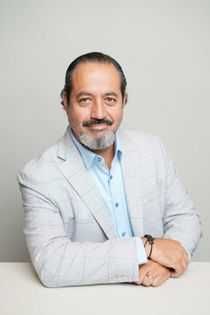
As the 2026 midterm elections draw near, the debate over primary reform extends beyond partisan politics—serving as a broader benchmark for whether Kentucky will update its voting structures to reflect an increasingly independent and engaged electorate.Hugo Balta is the executive editor of The Fulcrum and the publisher of the Latino News Network