
There is no question that Trump is a megalomaniac. Look at the definition: "An obsession with grandiose or extravagant things or actions." Whether it's relatively harmless actions like redecorating the White House with gold everywhere or attaching his name to every building and project he's involved in, or his more problematic king-like assertion of control over the world—Trump is a card-carrying megalomaniac.
First, the relatively harmless things. One recent piece of evidence of this is the renaming of the "Invest in America" accounts that the government will be setting up when children are born to "Trump" accounts. Whether this was done at Trump's urging or whether his Republican sycophants did it because they knew it would please him makes no difference; it is emblematic of one aspect of his psyche.
But while in most other instances one could criticize Trump's passion as tacky, they really did not benefit him in any material way. The "Trump" accounts are a different matter. Here you have an account that the government plans to set up for children when they are born (and at least one philanthropist is planning on adding to) to enable them to partake of the wealth of America, not through their labor but through investment.
Millions of children will forever have these "Trump" accounts, which will make them feel indebted to Trump, and by connection to the Republican Party, not to the government. It's as if Social Security were called FDR Security and Medicare and Medicaid were called LBJ Care/Aid.
The idea is ludicrous. These are all government plans, paid for by taxpayers, that benefit people who need assistance, whether it's the elderly or the poor. The person who was President and pushed for their legislative passage gets credit, but not by having his name attached to it.
When Republicans are no longer in control of Congress, the accounts should be returned to their original name: "Invest in America." Actually, a better name might be "Invest in Children" accounts.
Another recent example is the renaming of the Kennedy Center as the Trump - Kennedy Center to honor Trump. The Center's Board (all Trump appointees, with the one Democrat representative muted out of the vote) voted to make this change. Again, this was not instigated by Trump, rather by allies who wanted to please him, which he was, saying that, "I was honored by it."
While his petty megalomania is probably the least of his faults, it is nevertheless unseemly. It is something one would expect of the president of a "banana republic" or some dictator, not the President of the United States.
Far from petty and potentially harmful to the United States are the aggressive domestic and international actions that flow from his grandiosity. His exalted regard for himself has resulted in taking all domestic power unto himself and exacting retribution against his many perceived political enemies.
Internationally, we have seen this recently in his actions towards Venezuela and his ongoing talk of seizing Greenland; again, his exalted opinion of himself is reflected in his quest for power, his feeling that he is God-like—what he says or thinks is the final word.
The most forthright example of this came in a recent interview with The New York Times. He said that the only limit to his global power was, "My own morality. My own mind. It’s the only thing that can stop me.”
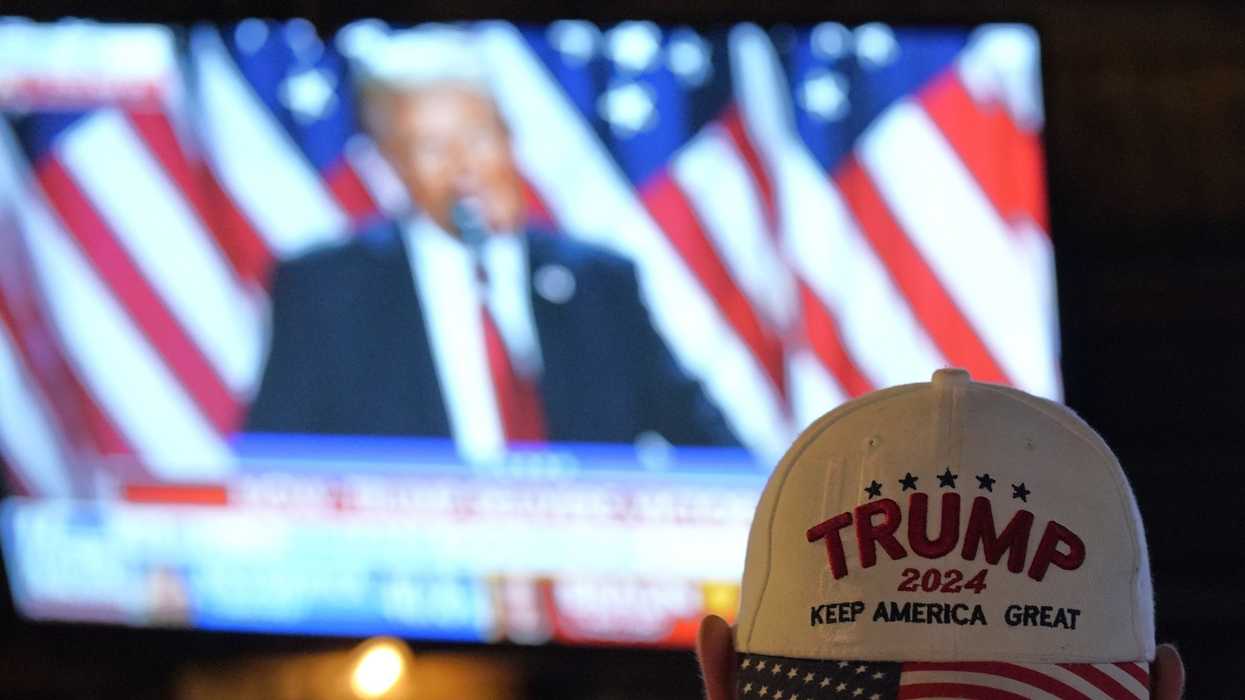
Unfortunately, the fact that he is a caricature, a buffoon, will not cost him any votes. As long as his supporters think he is good for them and for America, he will have their support. The New York Times reported that most Republican voters approve of his actions in Venezuela because, although they disapprove of nation-building, they think his actions were good for America because they projected strength while not committing American troops on the ground or costing American lives.
Bottom line, his grandiosity will unlikely cause him any damage politically, unless an action fails embarrassingly (e.g., had the hit command helicopter over Caracas crashed rather than flown on).
When America is ruled by a President who relishes brute power and displays example after example of megalomania, America has fallen in stature, not just in the eyes of the rest of the world, but, more importantly, in the eyes of all Americans who understand the importance of humaneness to what made America great.
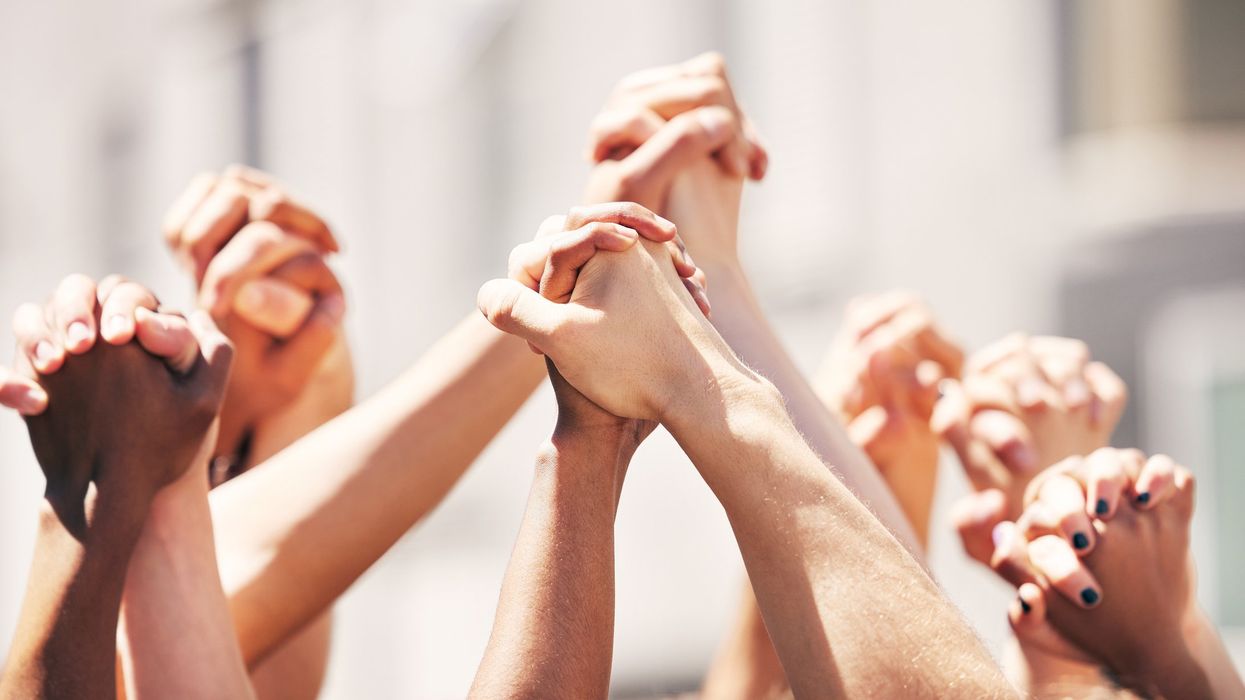
What can you, as an individual citizen, do to return our government to one based on reason and respect for others? There are three basic things that the individual can do to protect our democracy: engage in mass peaceful demonstrations; encourage discussion of this issue within your community by suggesting such programs to local organizations and schools; and ultimately to vote in the upcoming midterm elections to return Congress to the control of the Democrats and thus restore the balance of power that the Founding Fathers intended, enabling the people's representatives to put a brake on the unbridled exercise of Presidential power.
It is absolutely critical that masses of individual citizens raise their voices. It shows the President and his supporters that they will pay a price for their actions. It shows the silent majority of Americans who are offended by the President's actions that they are not alone and encourage them to not sit on the sidelines, saying, "What can I do?" And it shows the rest of the world that the President does not speak for many of us; that he has not been given a blank check to govern.
Ronald L. Hirsch is a teacher, legal aid lawyer, survey researcher, nonprofit executive, consultant, composer, author, and volunteer. He is a graduate of Brown University and the University of Chicago Law School and the author of We Still Hold These Truths. Read more of his writing at www.PreservingAmericanValues.com