



I’m not a conspiracy theorist, but it’s almost like the GOP is secretly promoting the Democratic Socialists of America, which is now producing a lot of the energy and excitement within the Democratic and Republican parties.
The DSA champions many views that exist wildly outside the mainstream of American politics, including the abolition of the police, prisons, the Pentagon and the U.S. Senate.
This is all, to borrow a term from social science, bat guano insane. Even if you think such proposals make sense on the merits — I don’t! — politically, this stuff is nuttier than a pool party at Mr. Peanut’s pad. For one, the Constitution effectively bans abolishing the Senate, even via amendment. So expending any political energy on eliminating it is like demanding 2+2 equal 5.
But, man, do some people eat this stuff up. Specifically, fringe left-wing political activists, young and mostly white progressives with useless college and graduate degrees, and the Republican Party. Now, the first two groups eat it up because they love it. The Republicans eat it up because they’re eager to run against it.
Republicans are increasingly insisting that the only way to stop a takeover by “godless communists” is to vote Republican.
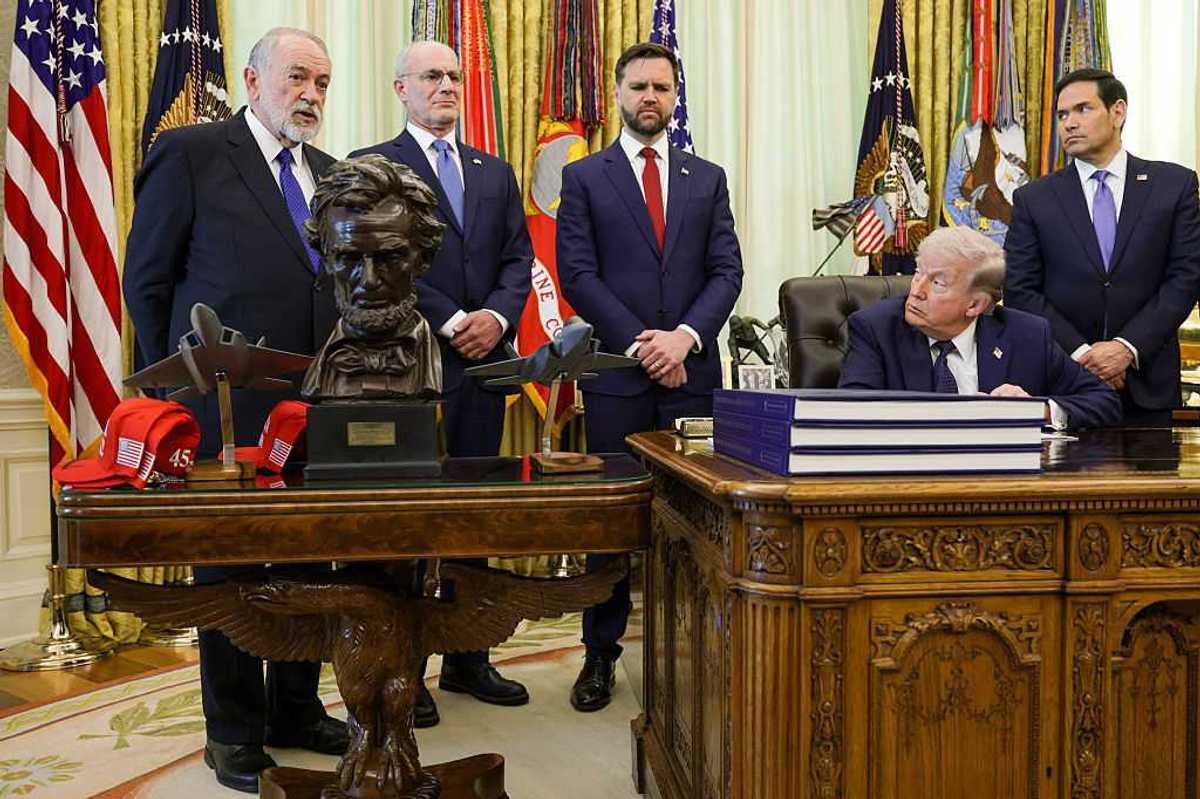
“Communism is a mortal threat to American liberty,” President Trump said during a July 3 speech at Mt. Rushmore. “It is the greatest threat to our country, including World War I, World War II, Pearl Harbor or even 9/11.” (I agree! Barring some time machine shenanigans, Communism is a bigger threat than Pearl Harbor and many other past events.)
“We’re fighting right now in Congress over whether we’re going to maintain our status as a constitutional republic,” House Speaker Mike Johnson insisted. “Or we’re going to trade that in, dismantle the foundations and go down this dark road of death to communism. That is the question on the ballot this fall.”
There’s a “bootleggers and Baptists” dynamic here. The DSA benefits from the attention, and the GOP benefits from the perception that Democrats are either too radical or too cowardly to confront the radicals in their ranks.
“It’s going to be a hate election,” a Republican working for Trump’s political operation told Axios earlier this month. “Voters have to hate the Dems more than they hate us. And we have material to work with.”
That might be right, but I’m not too worried, even if the GOP fails to weaponize the Red Menace. If you tune out the noise and simply look at the more mainstream question of socialism’s alleged rise in popularity, fears of a socialist takeover of America are absurdly overblown.
Polls do show, particularly among young Democrats, increased support for socialism and a rising distaste for capitalism. But this isn’t a new story. For the last couple of decades, dissatisfaction with the economic status quo has increased support for socialism. That’s because people equate the status quo with “capitalism.” As slaves to binary thinking, poll respondents think, “What’s the opposite of capitalism?” Answer: socialism.
A 2014 survey by the Reason Foundation found that millennials favored capitalism to socialism by a meager 10 points (52%-42%). But when asked if they favored a “free-market economy” to a “government managed economy,” the free market won 2-1 (64%-32%).
Fast forward to 2026. A recent Echelon Insights survey found that among Democrats under 50, the favorability of “capitalism” is minus 31 points (it’s popular with every other group). When asked their view of a “free market economy,” support jumps 41 points to +22 (it jumps up with every other cohort as well).
In other words, “capitalism” means something very different than “free markets,” even to many socialists. And that’s fair enough. I wish our economy was more free market than it is. But the point is that a ton of people think “capitalism” is an adjective describing things they don’t like about the economy, not a synonym for “free markets” or “free enterprise.”
Oh, yeah: Net favorability for Communism is -40.
The same applies for socialism, which means many different things to different people.
Once you get beyond the labels and the quirks of polling, reality suggests that socialism is a much heavier lift. For example, according to Echelon, 74% of Medicare for All fans think it can be paid for solely by raising taxes on billionaires. This is a lie. Medicare for All would cost an estimated $32 trillion over 10 years. The total combined net worth of America’s billionaires is around $9 trillion. Forget taxes; you could confiscate everything the “billionaire class” owns and it wouldn’t cover a third of the cost.
In other words, even if the “socialists” win, they’ll lose at governing. And so will the popularity of socialism.
Jonah Goldberg is editor-in-chief of The Dispatch and the host of The Remnant podcast. His Twitter handle is @JonahDispatch.









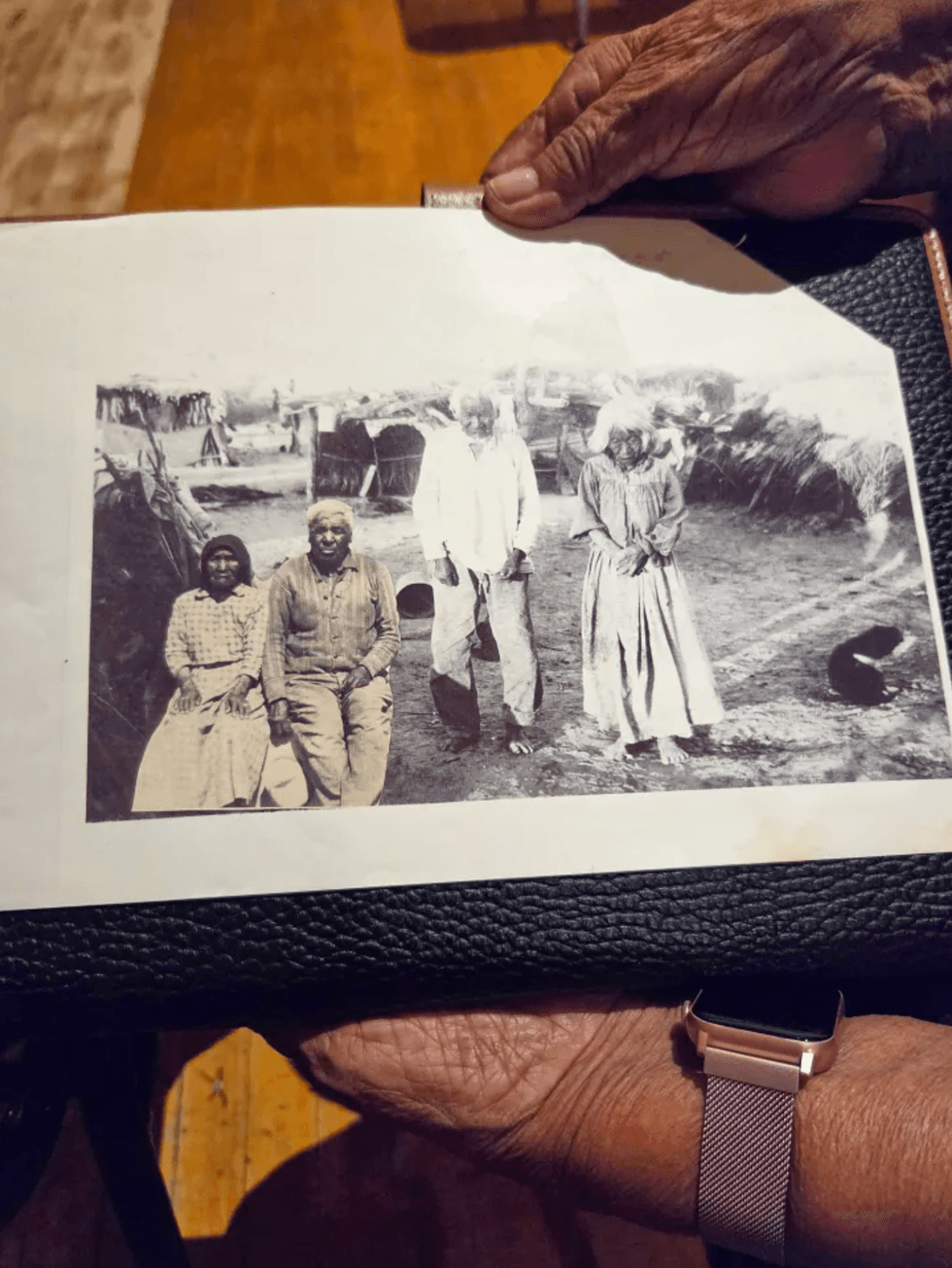 Lorraine Marquez Eiler’s photo of her great-great grandparents and her great-grandparents, who would walk about 50 miles through the Sonoran Desert to the springs.
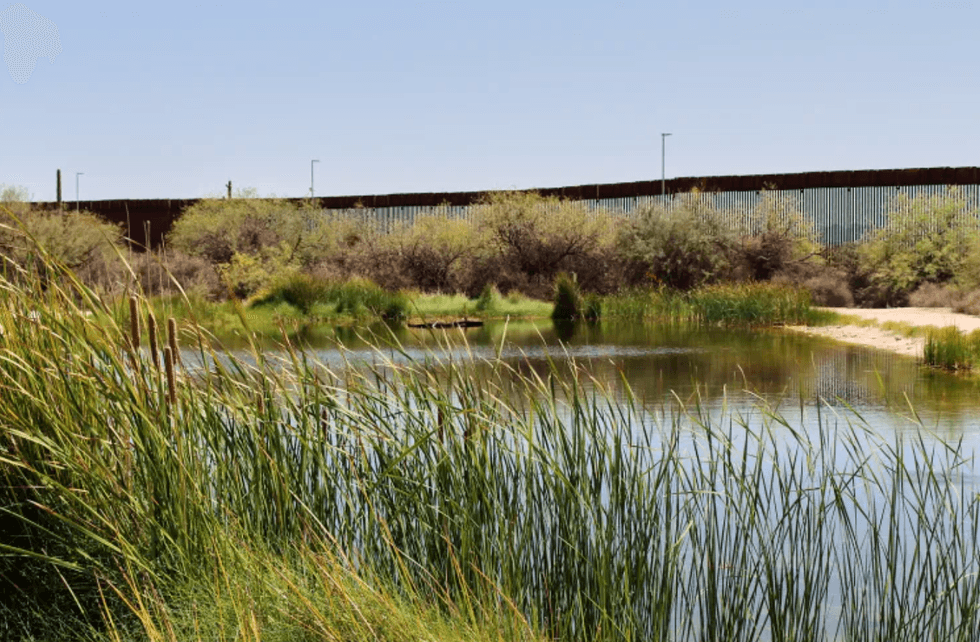 The Quitobaquito pond sits near the U.S.-Mexico border just west of the Lukeville port of entry on Monday, Aug. 24, 2026. The Trump administration is attempting to build a second border fence 150-feet from the existing border, which O’odham tribal members and environmentalists say would damage Quitobaquito, a sacred site to the O’odham and other indigenous people. Credit: Stephanie Casanova
 Construction equipment is seen near the U.S.-Mexico border just west of the Lukeville port of entry on Monday, Aug. 24, 2026. Credit: Stephanie Casanova
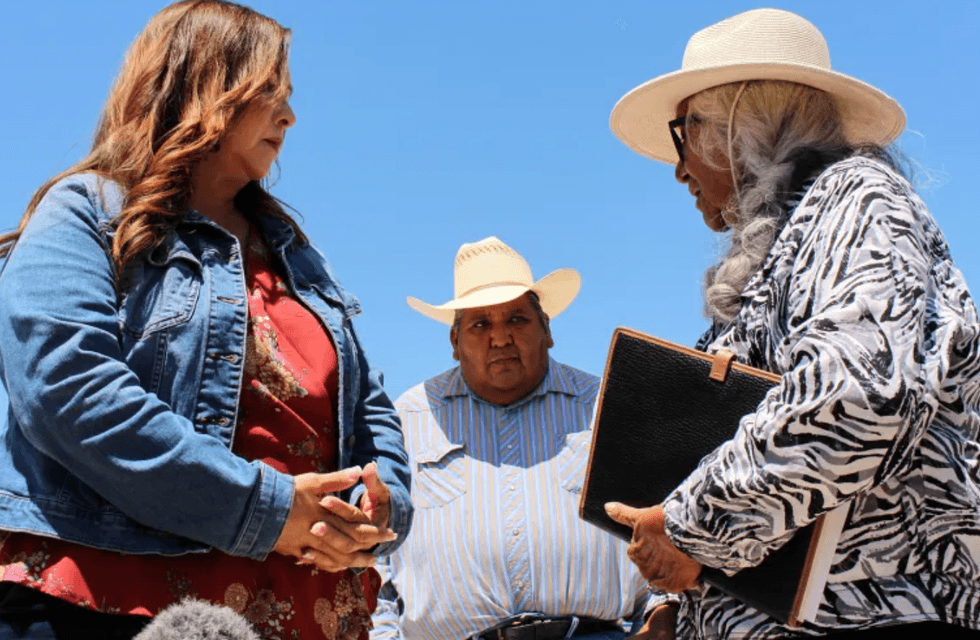 Rep. Adelita Grijalva, left, and Tohono O’odham Chairman Verlon Jose listen as Lorraine Marquez Eiler, a Hia-C’ed O’odham elder, shares how her ancestors would hold ceremonies at Quitobaquito Springs. Grijalva visited the springs with tribal leaders on Monday, Aug. 24, 2026. Credit: Stephanie Casanova
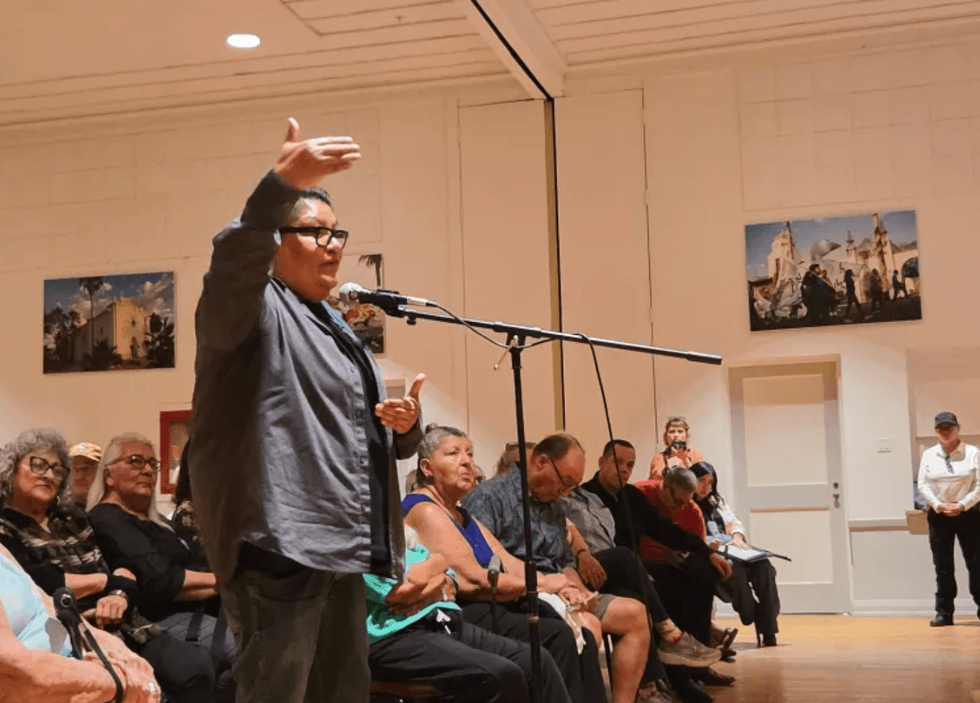 Sara Mae Williams, Justice of the Peace in Ajo and a Tohono O’odham citizen, shares their concerns regarding border wall construction on Tohono O’odham land at a town hall at the Ajo Plaza Rec Hall on Monday, Aug. 24, 2026. Credit: Stephanie Casanova