
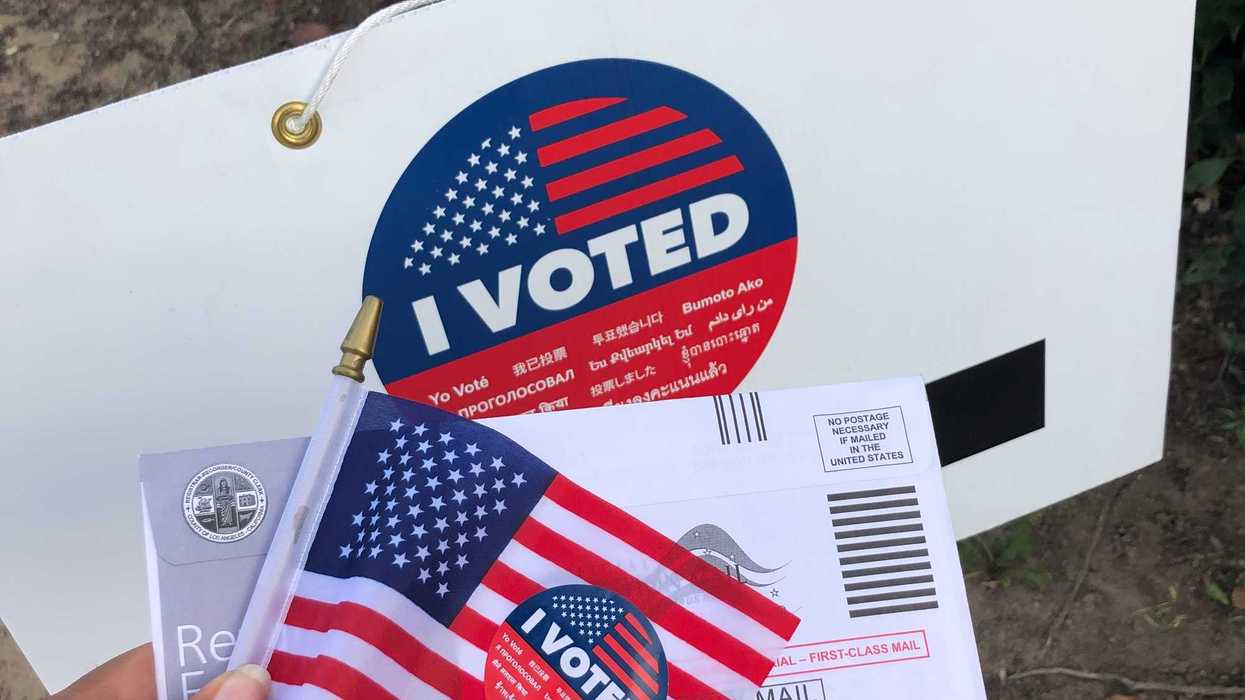
The administration had asked the Court to order California election officials to set aside ballots cast by approximately 20,000 registered voters whom federal officials claimed might be ineligible to vote. According to the federal government, these concerns stemmed from possible issues related to citizenship status, questions about residency, or discrepancies in voter registration records. State and local election officials disputed the reliability of the federal government's data and warned that complying with the request could put lawful votes at risk and disrupt election administration already underway.
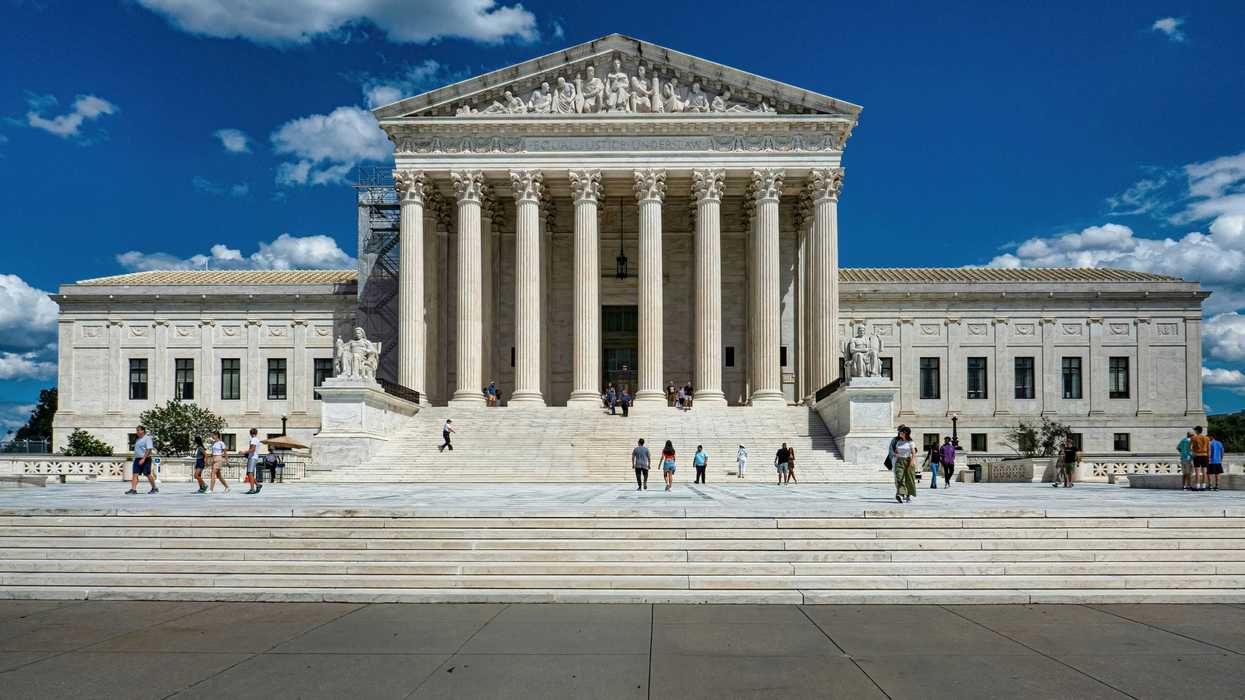
The Supreme Court's decision leaves California's existing election procedures in place and marks the administration's latest setback after lower courts rejected similar requests.
The ruling bolsters arguments from a bipartisan group of former DOJ officials whose amicus brief The Fulcrum highlighted this week. The former officials argued that the department's actions violated longstanding Justice Department policies designed to prevent election interference and avoid actions that could interfere with elections close to Election Day.
Their brief warned that eleventh-hour federal intervention risked confusing voters, disrupting election administration, and possibly disenfranchising eligible voters. The former officials also cited Supreme Court precedent cautioning courts against altering election rules while voting is underway, arguing that election integrity depends not only on preventing unlawful voting but also on maintaining public confidence in stable, predictable election administration.
The Supreme Court's refusal to intervene does not resolve every legal issue surrounding the case. Nor does it determine how the Court would address future election disputes brought under different circumstances. It signals a continuing judicial reluctance to authorize significant changes to election procedures in the final days of voting, particularly when courts have been warned that such changes could affect eligible voters and disrupt an ongoing election.
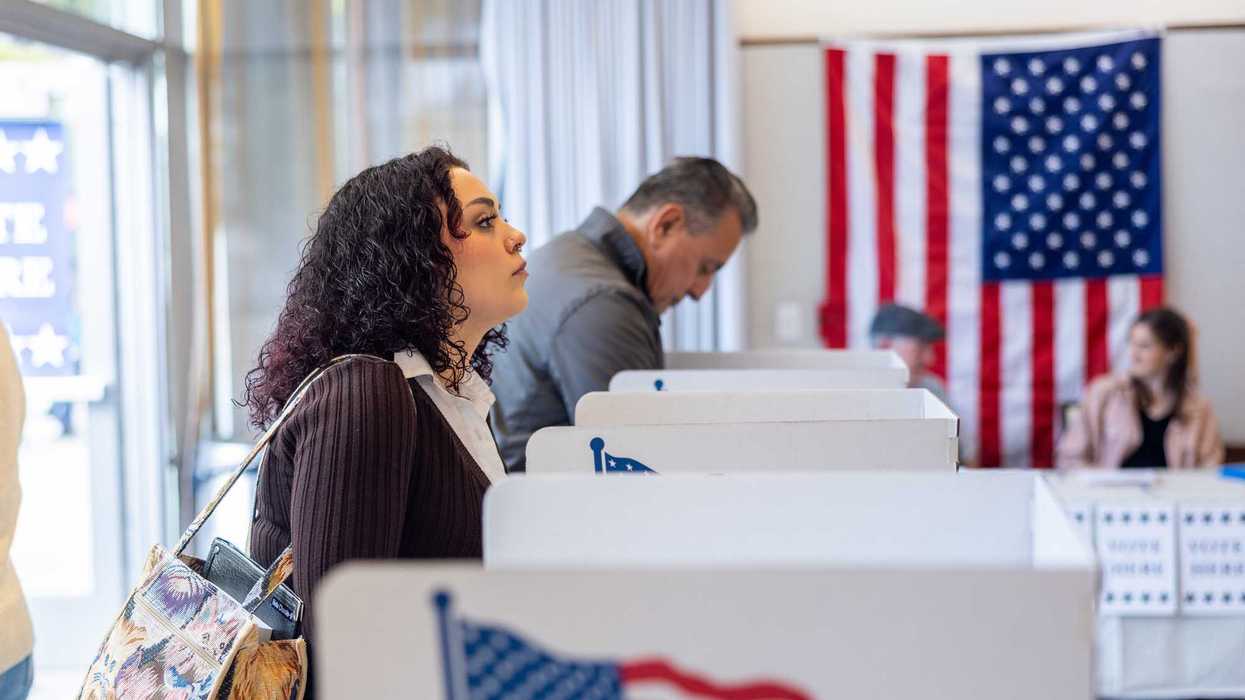
For advocates of free and fair elections, the ruling's importance extends beyond California. The dispute tested whether federal authorities could seek extraordinary judicial intervention after voting had begun and election systems were operating under established rules. By declining to grant the requested relief, the Supreme Court allowed those existing procedures to remain in place.
Former DOJ officials who filed the amicus brief argued that this principle isn't a Democratic or Republican matter, but a democratic one. They wrote that whether voters support one party or another, public faith in elections depends on consistently applying established rules and safeguards. The Supreme Court's decision leaves those safeguards intact as California continues counting ballots under the procedures in place when voting began.
The brief's signers included former Deputy Attorney General Donald Ayer, former U.S. Attorneys Joyce Vance and Barbara McQuade, and former attorneys from the Public Integrity Section and the Civil Rights Division's Voting Section, representing every presidential administration since Lyndon Johnson.
The Supreme Court's response could determine not only the immediate fate of the disputed ballots but also how far federal authorities may go in seeking election-related interventions during the final days of voting.
David Nevins is the publisher of The Fulcrum and co-founder and board chairman of the Bridge Alliance Education Fund.
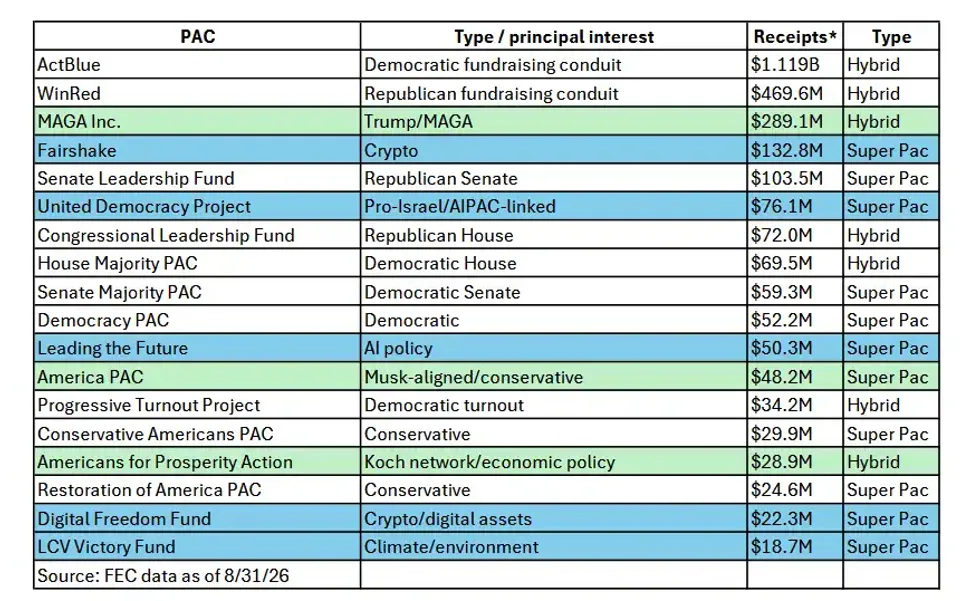 In terms of money flowing through the campaign-finance system, political action committees (PACs) are three times more active than candidates running for reelection or office. That is concentrated political power that leaves many congressional candidates running for reelection or office dependent on PAC support.