
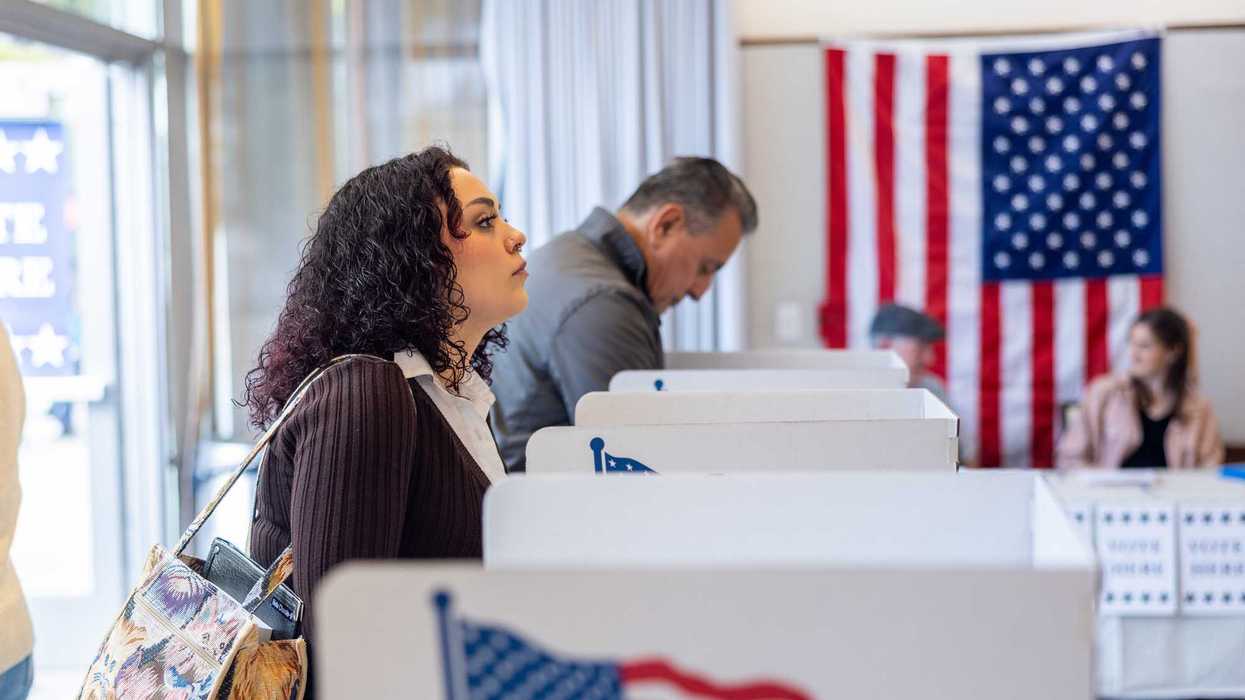
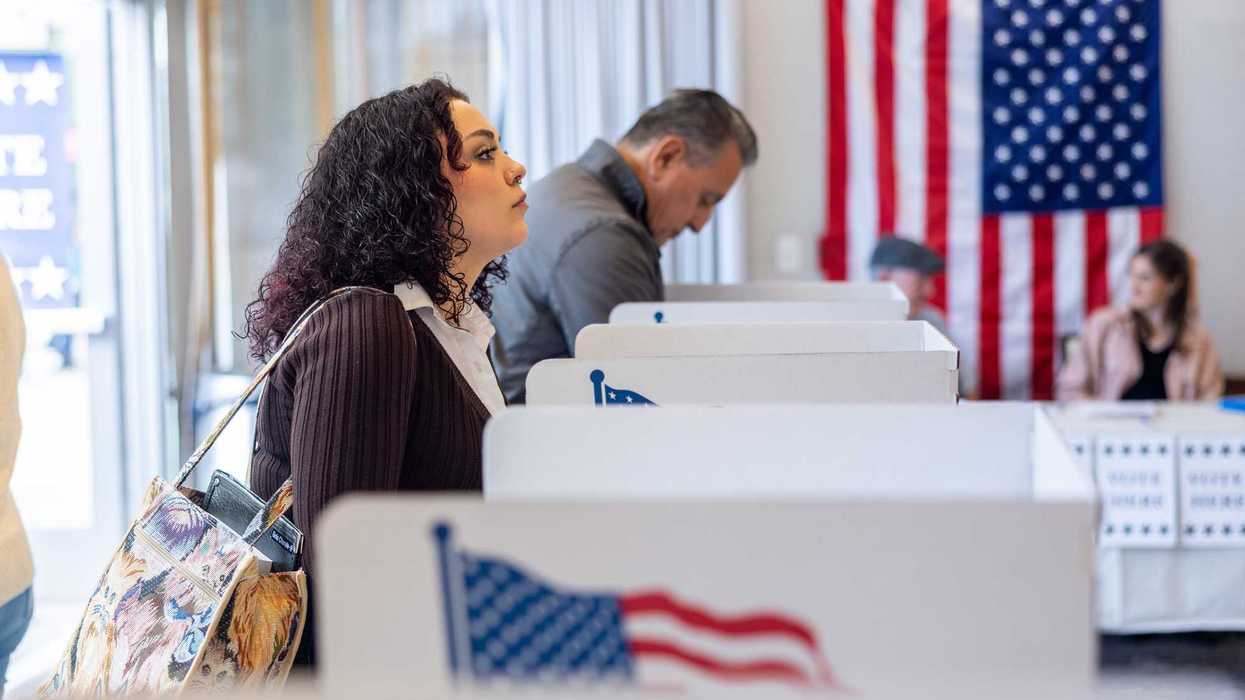
The 2026 midterm elections are finally here, and campaigns are still consumed with a familiar question: Who will voters support? While this may seem obvious, another question may matter just as much: Will they vote at all?
Americans are hardly indifferent about the economy. A July Pew Research Center survey found that economic issues were, by a wide margin, what registered voters most wanted congressional candidates to discuss. Twenty-nine percent spontaneously identified an economic issue, with affordability and the cost of living leading the list.
The concerns are easy to understand. Only 24 percent of Americans rated national economic conditions as excellent or good. Sixty-nine percent said they were very concerned about health care costs, 66 percent about food and consumer goods, 64 percent about housing, and 56 percent about gasoline. These numbers tell us what people worry about, but they do not tell us what those people will do on Election Day. That is where voter fatigue enters the conversation.
People tend to assume that an unhappy voter is a motivated voter. Sometimes that is true, and economic frustration can drive people to the polls to demand change, reward one party or punish another. But frustration can also run in the other direction.
A voter who has heard campaign promises election after election, watched partisan battles consume Washington and still struggles to pay the mortgage or grocery bill may not become more politically engaged. That voter may simply tune out. And tuning out is different from not caring.
Someone can care intensely about the price of eggs, an electric bill, or the cost of a prescription while caring very little about another campaign commercial. A parent trying to stretch a paycheck does not necessarily have the time or energy to follow every congressional debate. Political exhaustion can coexist with very real concern about the direction of the country.
That creates a challenge for anyone trying to understand the midterms. Polls measure preferences, but elections measure participation. A survey can tell us that a registered voter prefers a Democrat or Republican. It cannot guarantee that the voter will actually cast a ballot. That distinction matters most in midterm elections, where turnout historically falls below presidential-election levels.
Signs already suggest enthusiasm may matter in 2026. A May Ipsos analysis found differences between Democratic-leaning and Republican-leaning voters in both certainty about voting and the importance they attached to this year's midterms. Those measurements can change before November, but they underscore a larger point: Having someone's support and getting that person to vote are not the same thing.
Perhaps campaigns should listen more carefully to what disengaged voters are saying—or, just as importantly, what they have stopped saying. Voter fatigue should not automatically be dismissed as apathy. It may instead warn that some citizens no longer believe the political conversation speaks to the problems occupying their everyday lives. If that is true, it should concern both parties.
Democracy ultimately depends on participation, including by people who are less than enthusiastic about their choices. Voting does not require believing that a candidate is perfect or that government has fulfilled every promise. It provides citizens an opportunity to register their judgment about who represents them and the direction they want their communities and country to take.
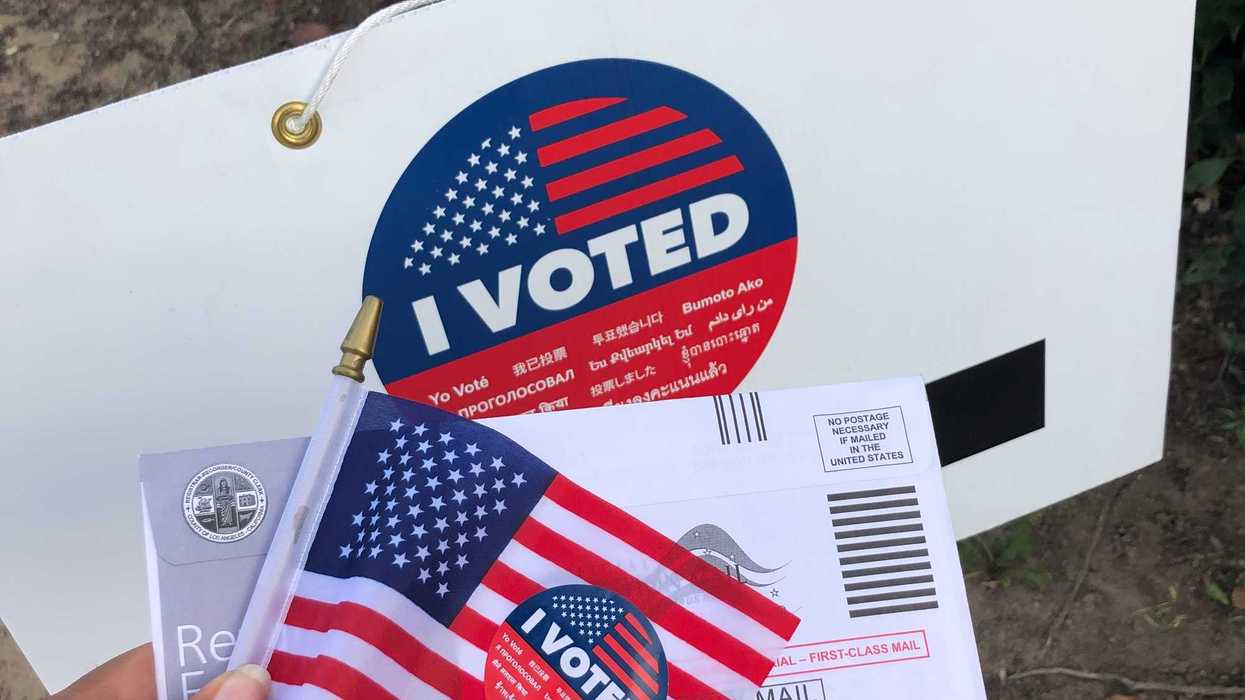
Much will be said about polls, candidates, parties, and congressional control. But perhaps the most revealing question will be much simpler. Not: Who did you vote for? But: Did you vote?
Deborah A. Wilson is a Georgetown University Law Center graduate, a practicing Northern Virginia attorney, and author of the speculative novel The Seam: Secrets Beneath the North Pole.

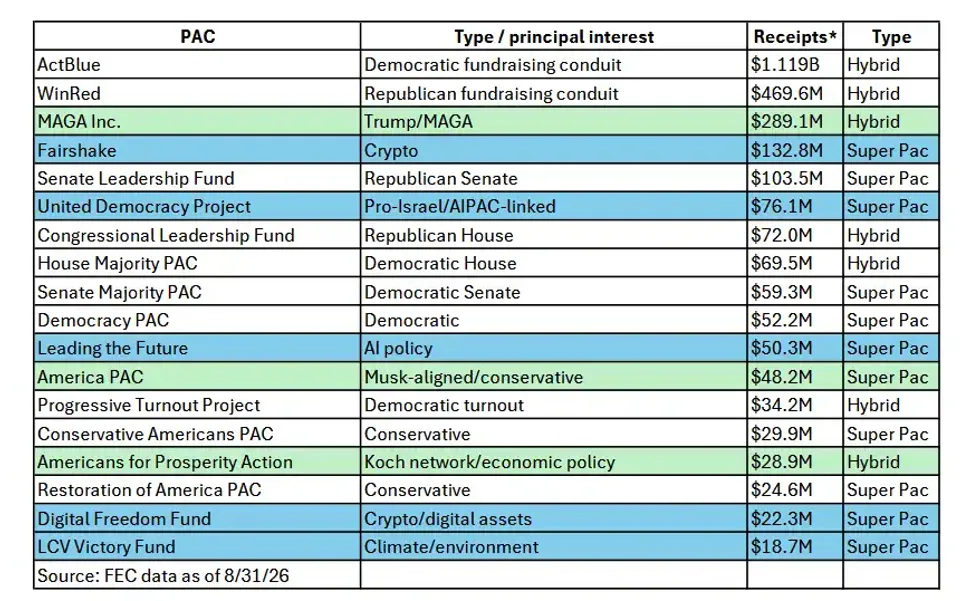 In terms of money flowing through the campaign-finance system, political action committees (PACs) are three times more active than candidates running for reelection or office. That is concentrated political power that leaves many congressional candidates running for reelection or office dependent on PAC support.