
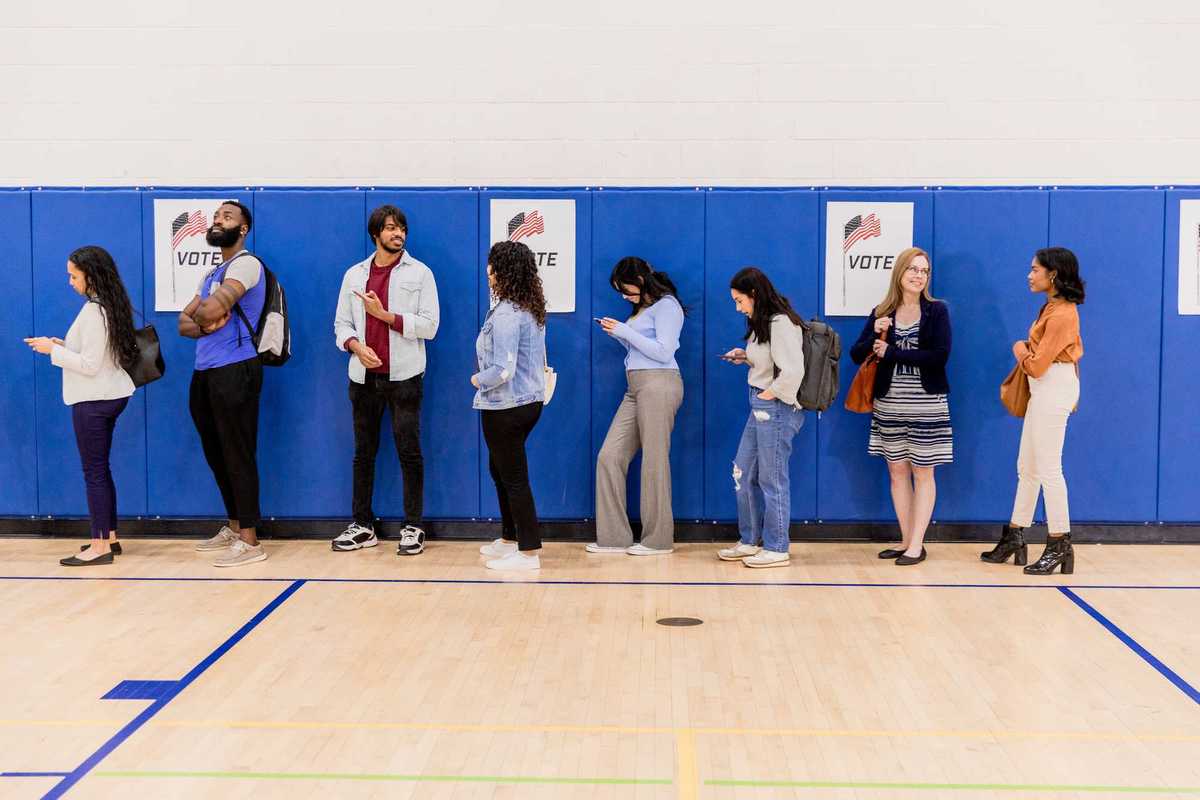
With Election Day rapidly approaching, I ask a question that feels heavier than any in recent memory: Will the people save the Republic? Not the politicians comfortable in their silence. Not the billionaires who treat democracy as an investment. Not the parties that have drifted from principle. The people.
Yesterday, my mail‑in ballot arrived. I felt relief that my right to vote had not been taken away, restricted, or quietly undermined. In a year when rights have been challenged, receiving a ballot reminded me that self‑government belongs to us. But a ballot is not protection. It is only potential. Its power lies with those who use it.
The danger is not that Americans disagree. Disagreement is part of democracy. The danger comes when loyalty to a party or leader matters more than the Constitution, accountability, and the common good. Election deniers have no place in government — local, state, or federal — because rejecting certified results violates the oath to uphold the Constitution. When that happens, the Republic is weakened from within.
Benjamin Franklin understood. Asked what kind of government the framers had created, he answered, “A republic, if you can keep it.” He understood human nature: people drift and become loyal to personalities instead of principles. His warning was not about 1787 — it was about every generation that would follow. It was about us.
Representative John Lewis carried that warning forward. He called the vote “the most powerful nonviolent tool we have,” reminding us that its strength comes from those who wield it. He also said, “When you see something that is not right, not just, not fair, you have a moral obligation to say something, to do something.” Today, there is so much wrong — rights revoked, people of color treated poorly, DEI dismantled, health care threatened, election interference normalized, corruption tolerated. The question is whether Americans will act.
I see this divide in conversations with family and friends. Some feel suppressed, frustrated, or angry. Others seem to have forgotten that the Republic depends on their participation and vigilance. Democracy is not maintained by spectators. It is maintained by citizens who understand their power.
Over the next few days, I will research unfamiliar candidates. I will not vote for the House member who has ignored my questions for more than a year. He voted to eliminate the Affordable Care Act without a plan for millions whose premiums skyrocketed, then remained silent through distractions, chaos, and corruption — when leadership demanded accountability, constituents needed clarity, and the country needed courage.
Instead of fighting for affordable health care, lower costs, or stronger checks and balances, my representative proposed a Charlie Kirk Commemorative Coin Bill. A coin — while families struggle, corruption spreads, and Congress avoids its constitutional duty. A coin, when people needed protection, honesty, and leadership. That is not representation. That is abandonment dressed up as legislation. The issue is not whether Congress can pass commemorative legislation. It is whether representatives are meeting their constitutional responsibilities while people face problems demanding attention.
I will vote with clarity and remembrance — of promises never kept, silence louder than any speech, and drift that has pulled this country from its principles.
My concern is whether millions of Americans will vote with the same clarity and remembrance. Will they recall the chaos, cruelty, corruption, injustice, and erosion of rights — and how many promises were broken or never meant to be kept?
The framers understood that concentrated power threatened liberty. They built a constitutional republic — not a monarchy, not a personality cult, not a system where silence replaces oversight. They created checks and balances to prevent leaders from placing themselves above the law. The Constitution is the supreme law of the land, not a suggestion to ignore when inconvenient.
Yet constitutional principles have been bent, stretched, and dismissed. Congress has failed to exercise its powers, elected leaders have treated accountability as optional and party loyalty as more important than their oath, and concentrated power has grown because those entrusted to check it have failed to act. Meanwhile, the administration’s conduct has deepened divisions across communities, families, and institutions.
How did we get here?
We drifted. We tolerated silence. We excused cruelty. We normalized corruption. We allowed partisanship to replace principle. We forgot that self‑government requires vigilance.
Some people remain loyal to leaders despite lies and broken promises. Others fall for political theatrics, emotional manipulation, or financial gimmicks. But the Republic cannot be kept by loyalty alone. It can only be kept by clarity — by voters who remember what has happened, recognize deceit, and refuse to be misled by money or power.
This country is diverse — racially, economically, politically, spiritually. Yet the question before us is not about diversity. It is about democracy. Will we vote for democracy? Will we vote for accountability, transparency, and constitutional responsibility? Or will we vote for drift — a slow slide into concentrated power, partisan loyalty, and congressional silence?
Many Americans swore they would vote differently in 2024. They said they had had enough. They were tired of lies, retaliation, and cruelty. But when the moment came, party loyalty prevailed for many over their expressed concerns. The result was not transformation. It was continuation.
Now, in 2026, the stakes are higher. Americans say they are tired of lies, retaliation, and cruelty. But will the votes show it? Will Americans make a plan to vote? Will they vote early, informed, and with intention? Or will they hesitate and allow the drift to continue?
Solutions exist — but they require action, not slogans.
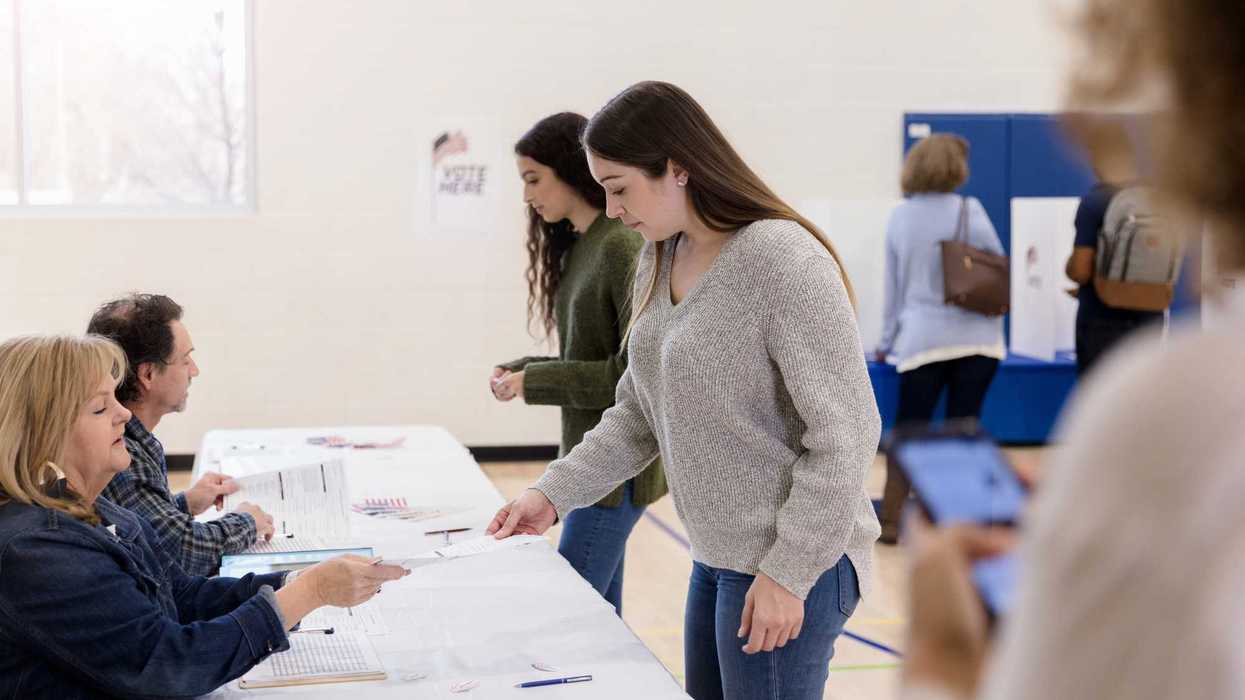
Make a plan to vote. Know when, where, and how you will cast your ballot.
Research your candidates. Know what they stand for and whether they have honored their oath. If they are new to leadership, listen closely to their debates, speeches, and interviews. Pay attention to how they speak about the Constitution, accountability, and the people they hope to serve.
Vote with clarity — not noise, chaos, or conspiracy.
Be politically literate. Understand the Constitution and the dangers of concentrated power.
Remember the history of lies, deceit, and cruelty. Memory is a safeguard. Forgetting is a risk.
A constitutional republic requires leaders who respect the Constitution, not bend it.
Know your power. The framers placed the ultimate safeguard in the hands of the people — a power that does not end at the ballot box. It continues when citizens demand answers, monitor representatives, and hold them accountable. Voting opens the door to accountability; civic participation keeps it open.
The Republic does not disappear overnight. It slips away through silence, distraction, unchecked power, and leaders who place themselves above the people. It slips away when voters surrender their judgment to party labels. It slips away when Congress forgets its oath and citizens forget their role in self‑government.
The question is immediate and personal: Will enough Americans vote to save the Republic? Will they vote with clarity, remembrance, and courage? Will they vote for accountability rather than loyalty? Will they vote for democracy rather than drift?
Because the Republic is not saved by voting alone, but by citizens who understand what is at stake, hold elected officials accountable, and refuse to place party loyalty above the Constitution.
I know how I will vote. I know why I will vote. And I know what is at stake.
The ballot is in our hands. The Constitution is in our hands. The future is in our hands.
Will the people save the Republic?
We will know soon — not by what Americans say, but by how Americans vote.
____________________________________________________________________________
Carolyn Goode is a retired educational leader and former principal who spent her career advancing civic responsibility, equity, and public engagement. She writes about democracy, ethical leadership, and the values that strengthen American communities.






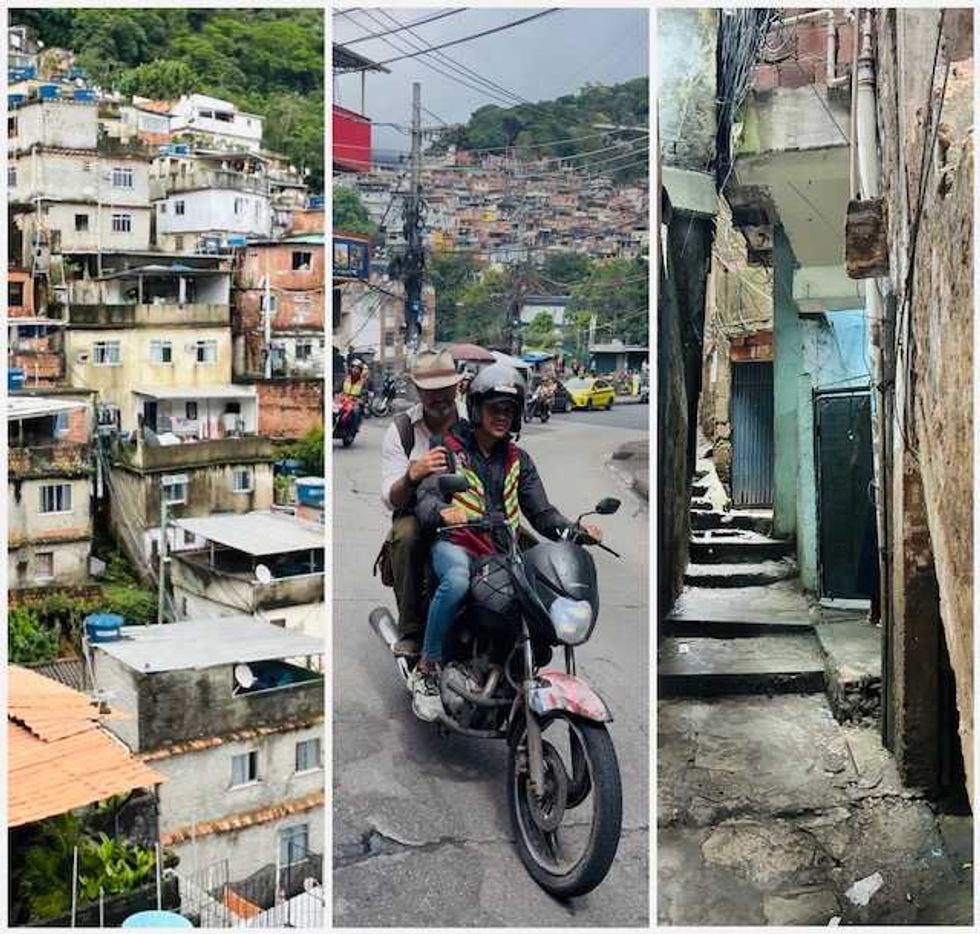 Scenes from Favela Rocinha, Brazil - (R-L) Rows of brick homes, Hugo Balta on a motorcycle taxi, and steep, winding roadsHugo Balta
 Following our HWF Civic Futures kickoff last week with Eric Liu, our design partners at Public/Official have created a unique visual to capture the “civic scaffolding” spirit of this conversation.
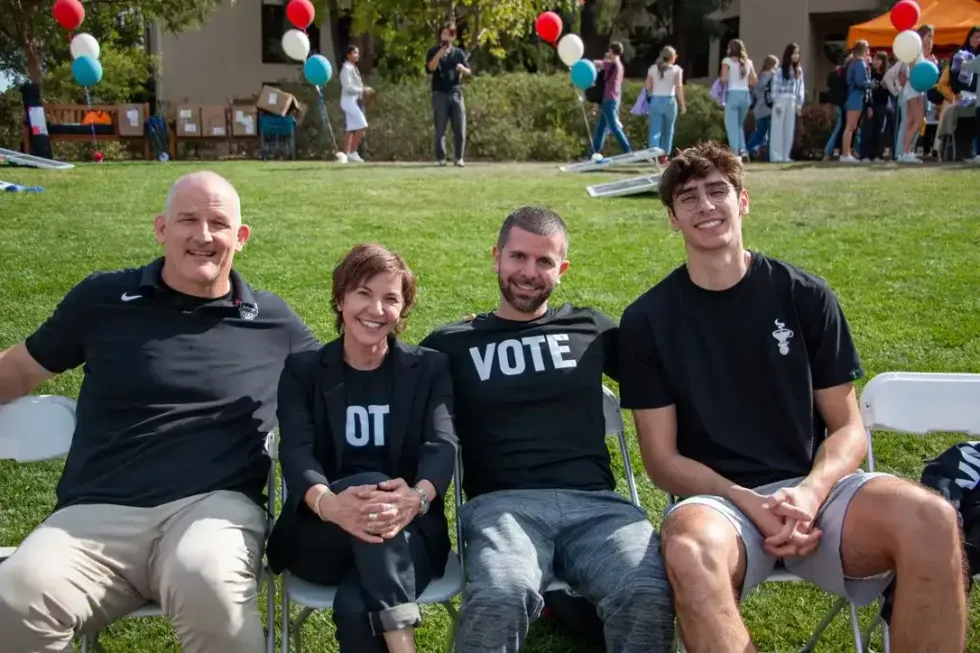 Lisa, Coaches Rev and Matt Elkin, and former Stanford Men’s Basketball star Maxime Raynaud at Stanford’s “All Vote No Play” Democracy Day, 2025