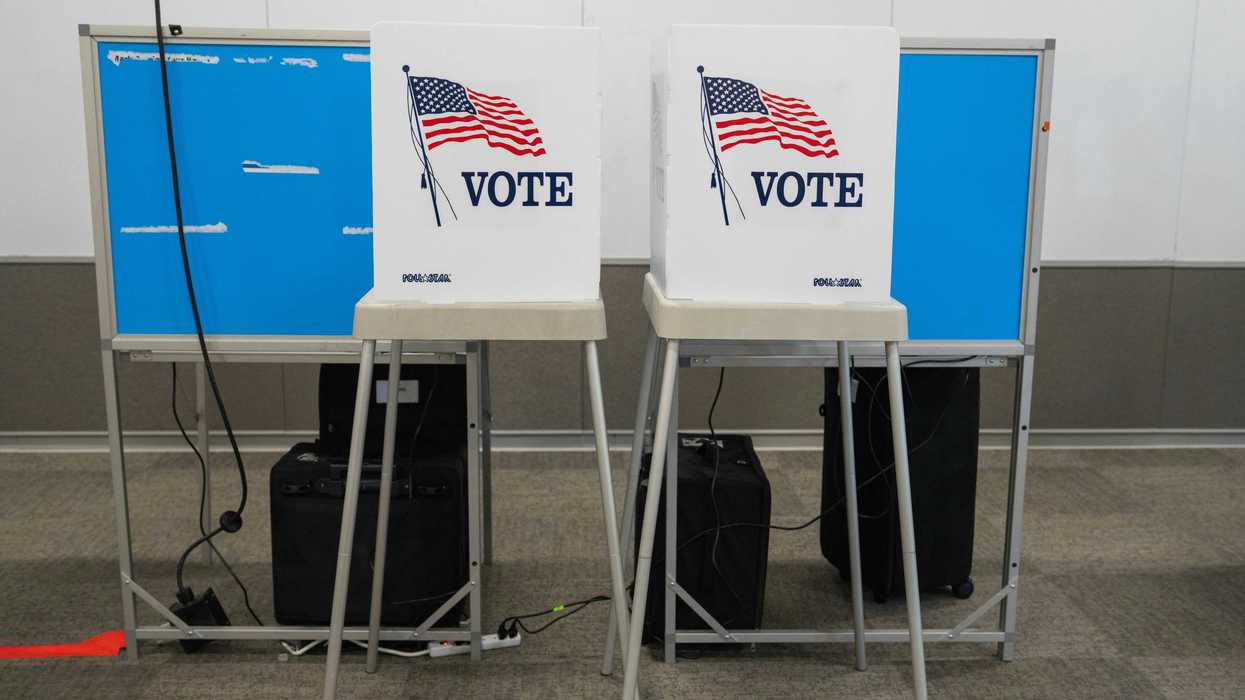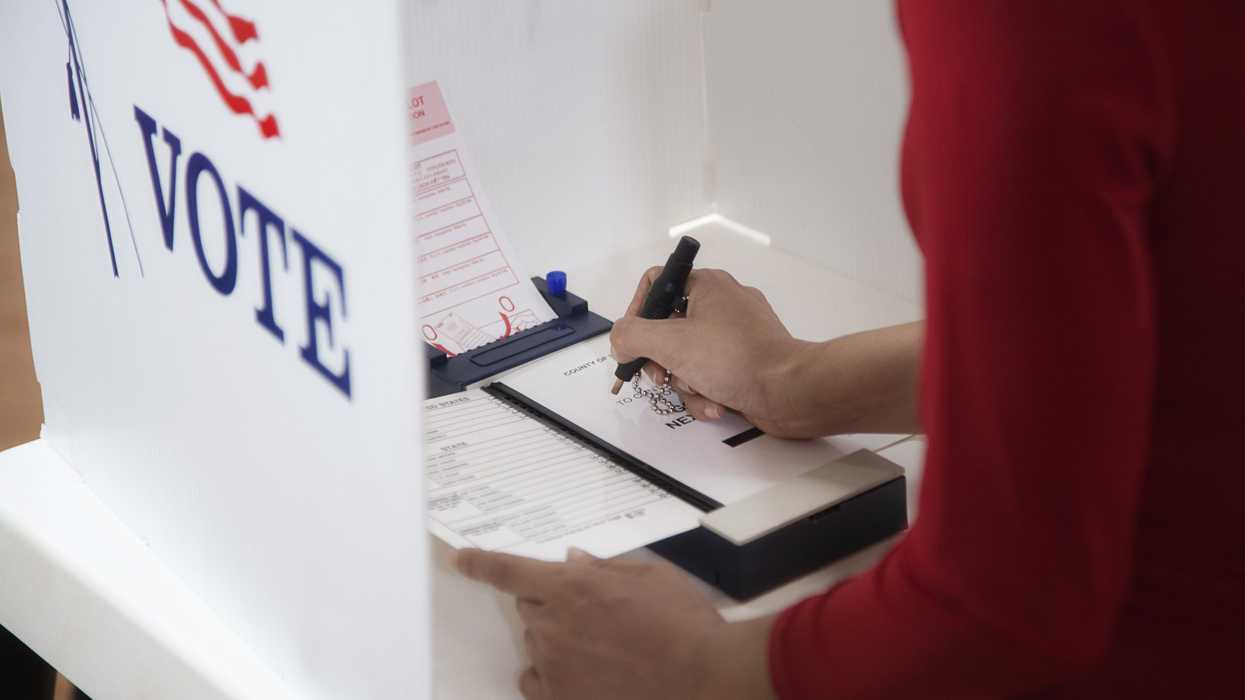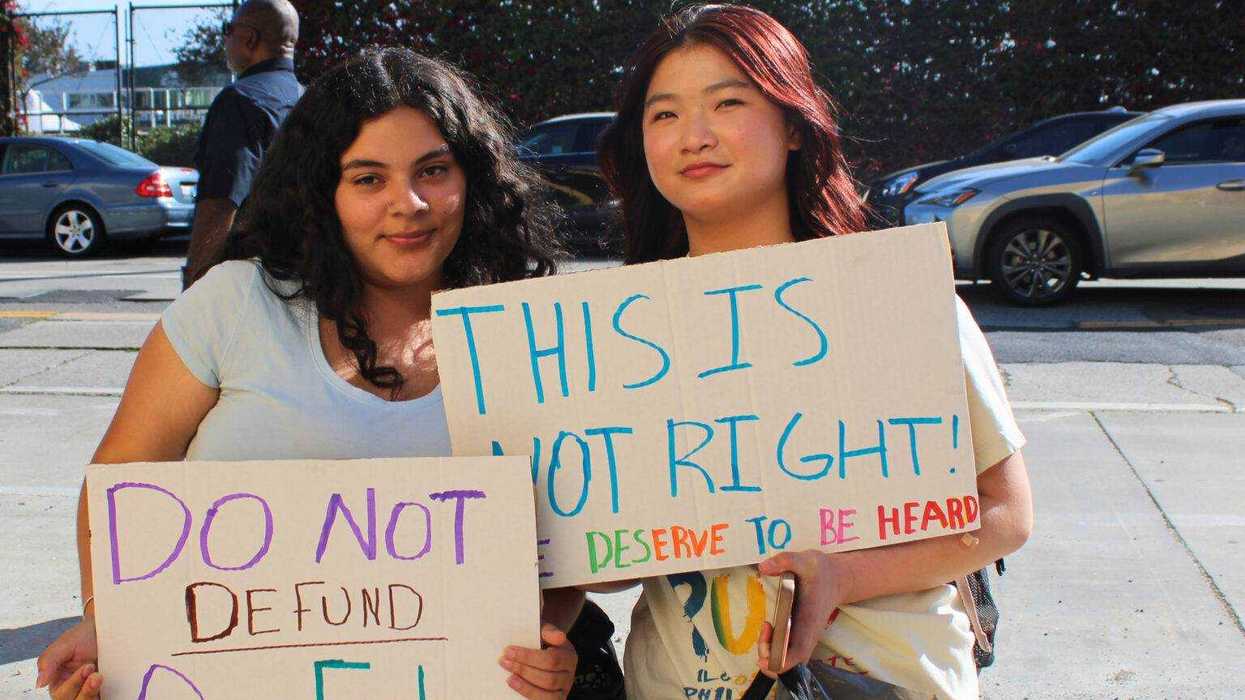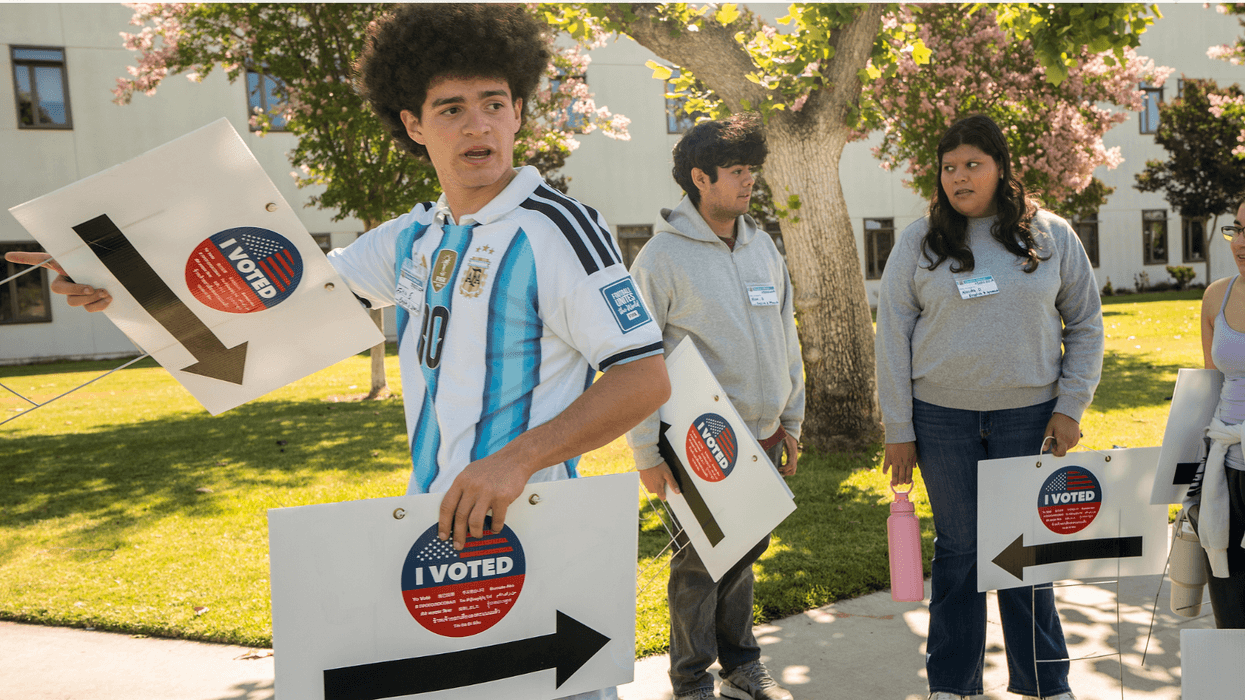
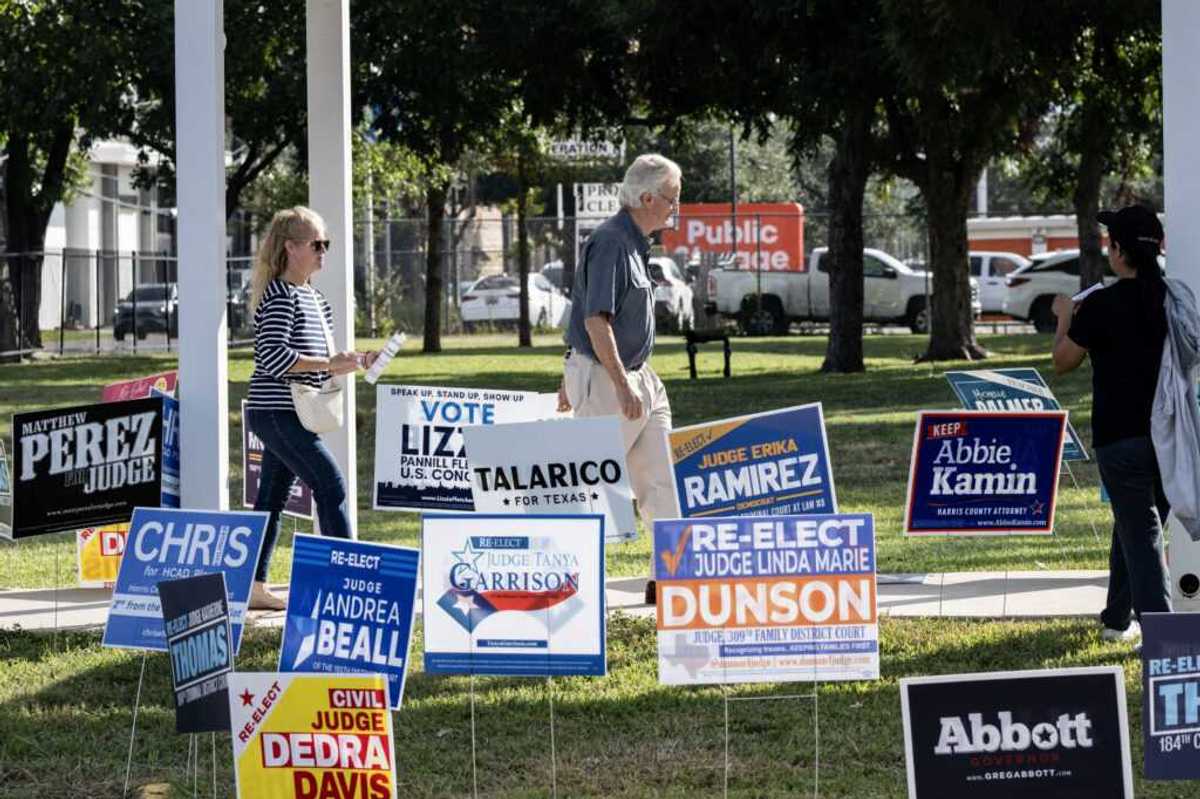




Two years after providing historic levels of support that helped propel Donald Trump back to the White House, Latino voters are shifting rapidly away from the Republican Party. The realignment is driven by a potent combination of persistent economic anxieties and a sharp backlash against the administration’s aggressive domestic immigration crackdowns. A landmark national poll conducted by NBC News and Telemundo reveals that the President’s approval rating among registered Latino voters has plummeted to just 27%, signaling deep political turbulence for the GOP on the eve of critical midterm elections.
When asked by reporters outside the White House about the plunging numbers, President Trump angrily dismissed the data, labeling the findings as “fake news.”
Meanwhile, a spokesperson from the Department of Homeland Security formally defended the sweeping enforcement measures, stating that the agency’s actions are simply “fulfilling Trump’s promises and enforcing laws passed by Congress.”
The dramatic shift presents a major opportunity for Democrats to capitalize on key races in states and districts boasting significant Hispanic populations. In 2024, exit polls indicated that Trump secured roughly 46% of the Latino vote nationwide. Today, that base of support appears to be fracturing. Data collected by Equis Research underscores the trend, noting that support for Republican candidates among Hispanics who voted for Trump in 2024 has dropped 10 percentage points over the last year. Roughly 22% of Latino Trump voters indicate they do not plan to back Republicans in the upcoming midterms.
While pocketbook issues like inflation and the cost of living remain primary drivers for voters, the administration’s sweeping approach to immigration has created a profound and visceral fracture. An overwhelming two-thirds of Latino voters state that the administration’s enforcement policies have gone “too far”. Although 83% of respondents still support the targeted deportation of undocumented immigrants convicted of serious criminal records, general approval of broad interior operations remains low. Only 30% of Latinos approve of the administration’s overall handling of immigration, and Immigration and Customs Enforcement (ICE) faces a staggering 65% negative favorability rating within the community.
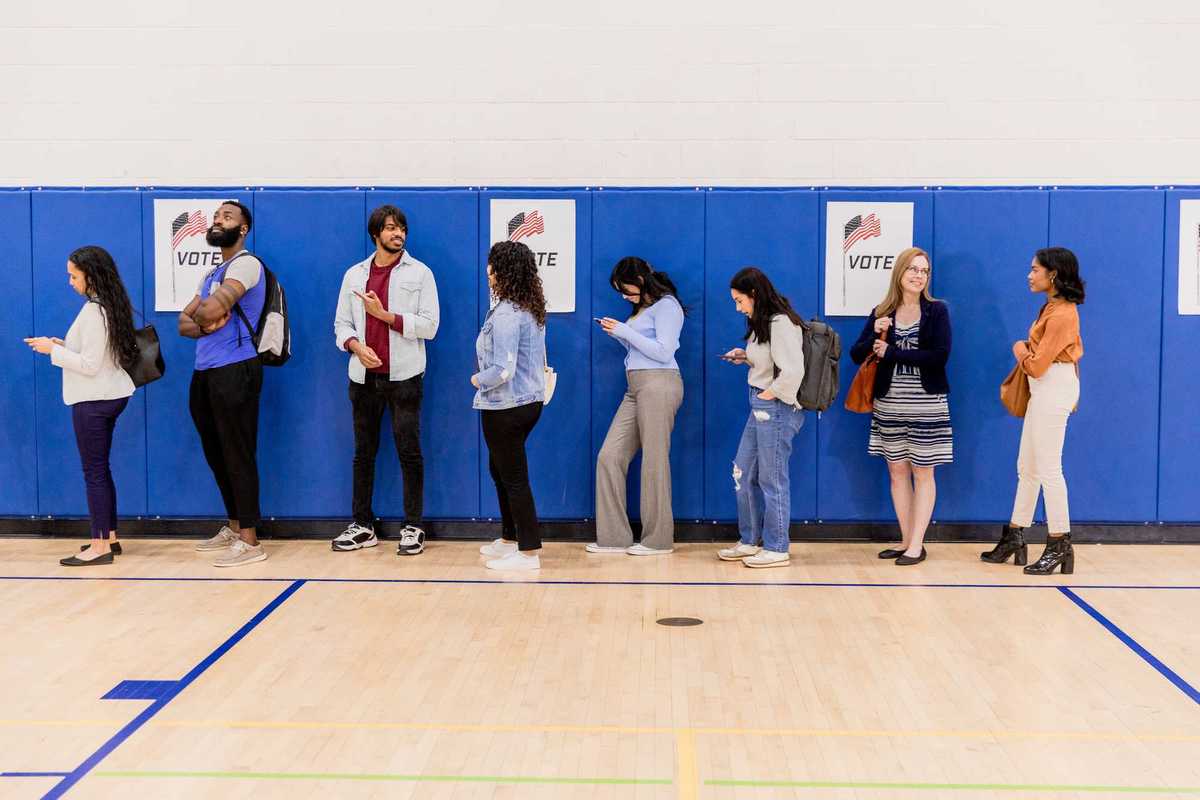
The polling data emphasizes that immigration enforcement has moved from a theoretical policy debate into the daily lives of families. Nearly one-third of Latino voters—31%—report that they or a loved one have started carrying legal identification at all times out of fear of being swept up in ICE operations. Furthermore, 27% know someone who has been detained or deported over the last two years. The climate of fear has reached a point where 17% of respondents admit that they or close acquaintances have actively considered avoiding in-person voting tables out of apprehension regarding federal enforcement visibility.
This sense of overreach is creating severe legislative headwinds for local Republican incumbents representing heavily Hispanic areas. In Florida, Republican Congresswoman María Elvira Salazar, who represents a majority-Latino district in Miami, broke publicly with the White House on immigration strategy. In a widely circulated campaign video, Salazar warned that Hispanic voters who supported the administration in 2024 are feeling deeply betrayed by the broad nature of the interior crackdowns, transforming previously safe seats into intense battlegrounds.
- YouTube youtu.be
As political strategists analyze the shifting maps, the data indicates that Democrats have reclaimed significant margins on traditional battleground metrics. The NBC News/Telemundo survey reveals that Latino voters now favor Democratic congressional candidates over Republicans by a wide margin.
“This has been a key question coming into this midterm campaign… one of the reasons Trump was returned to the White House was surprisingly strong support from Latino voters in 2024,” Kornacki explained. Analyzing the new polling, he noted, “He basically battled [the Democrats] to a draw with Latino voters then—which for a Republican, that’s a very strong performance. But… he barely has a quarter approval rating.”
Crucially, the trust gap has widened on the economy as well, with 54% of Latino voters trusting the Democratic Party compared to just 33% who favor the GOP—wiping away the significant economic advantage Republicans held with this demographic during the 2024 cycle. With billions of dollars in advertising saturating the airwaves, the rapid movement of the Latino electorate suggests that the administration’s border strategy has sparked an electoral counterweight that could fundamentally reshape control of Congress.
Latino Voters Shift Ahead of Midterm Elections was first published in Latino News Network and is republished with permission.
The Latino News Network (LNN) is an independent, English-language multimedia news platform dedicated entirely to covering and serving the Hispanic-Latino community in the United States.