

Skip to content
Search

Latest Stories

Follow Us:
Top Stories

Let America Vote to Welcome Its 51st Star

Opinion

Let America Vote to Welcome Its 51st Star

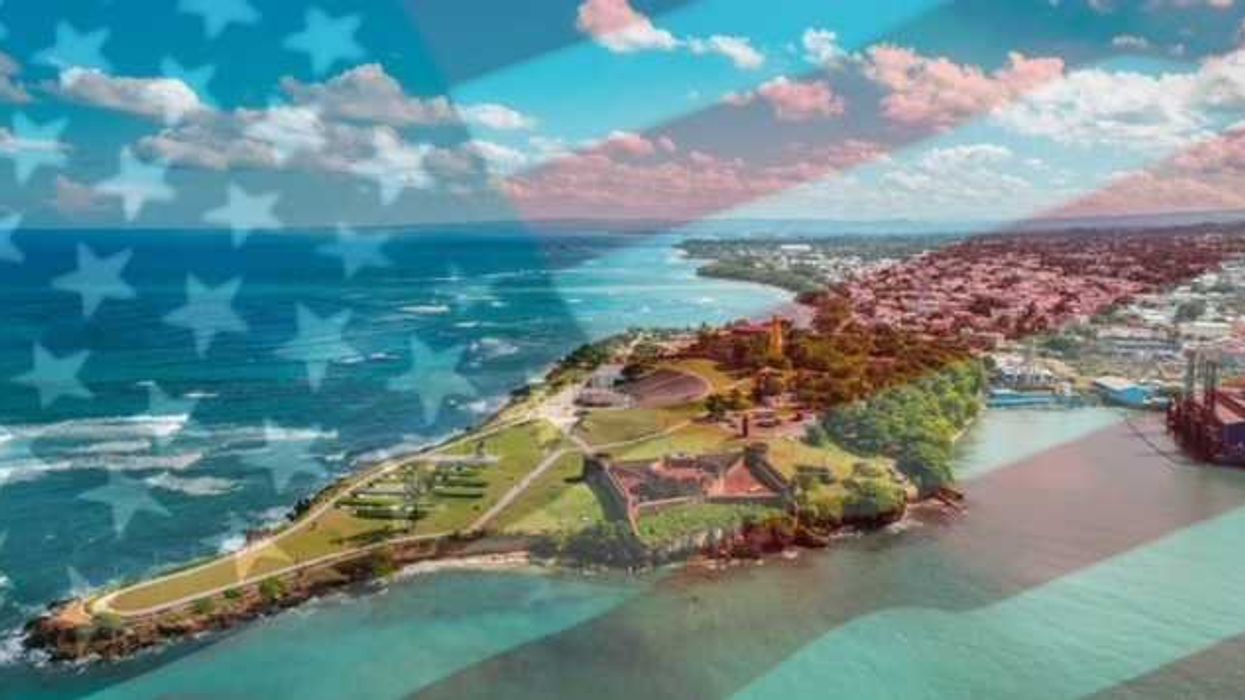
Puerto Rico with US Flag

AI generated

I’m an American who wants Puerto Rico to become America’s 51st state—and I want the entire country to be able to say “yes” at the ballot box. A national, good-faith, vote would not change the mechanics of admission; it would change the mood. It would turn a very important procedural step into a shared act of welcome—millions of Americans from all 50 states affirming to 3.2 million residents of Puerto Rico that they belong in full.

Across the map, commentators are already making that case. Georgia GOP chair Josh McKoon put it bluntly: “Unlike Canadians, Puerto Ricans actually want to become a state.” Jacksonville Journal-Courier


From Florida, Erika Benfield argues that supporting statehood is “not just fair—it’s now in the interest of Republican voters,” urging both parties to back it. Arizona’s Jaime Molera tells fellow conservatives, “In the recent election, Puerto Ricans made it explicitly clear that they are ready to vote for Republicans, and they are ready for statehood.” The Floridianazcapitoltimes.com

New York voices are in the mix, too. Writing in City Limits, veteran Tony Mele reminded readers that “in the past eight years, Puerto Rico residents have repeatedly voted against continuing under the current territory status.” City Limits

These writers aren’t debating legal fine print; they’re talking about dignity, clarity, and momentum. A national vote would spotlight facts, sweep aside myths (“they don’t pay taxes”) and let communities take down barriers and openly talk about culture and language. Most of all, it would give residents of Puerto Rico something priceless: proof that their fellow Americans chose them on purpose, not by default.

Critics like the Albuquerque Journal want Congress to slow down until every doubt is settled—the paper even warned that Senator Heinrich’s Puerto Rico statehood bill “could cost New Mexico one of its three U.S. House seats.” Heinrich’s Puerto Rican statehood bill could cost NM 1 of its 3 US House seats I want America to speed up how we settle those doubts: in public, together, with a Welcome Vote that replaces rumor with record and hesitation with a handshake.

So let’s pair congressional action with a public gesture on purpose. Call it a National Welcome Vote. Wrap it in a year of town halls, classroom lessons, service projects, and televised forums linking mainland communities with Puerto Rico. Then—ballot cast, message sent—move straight into the work of integration: tax alignment, full program parity, education systems that serve all Americans, infrastructure upgrades, and regulatory harmony. No more years of “should we have done this?”—just “let’s do this right.”

We say democracy is not a spectator sport. Let’s stop treating Puerto Rico’s future like a closed-door event. Congress can admit Puerto Rico. The rest of us can stand and cheer—in the clearest civic voice we have: a vote cast in hope. Let’s add a star—and let America say so.

Javier Ortiz has over 37 years of experience in technology, business, and the public sector, leads investment technical due diligence and innovation at Falcon Cyber Investments. www.falconcyber.com


Read More

People wearing vests with "ICE" and "Police" on the back.

The latest shutdown deal kept government open while exposing Congress’s reliance on procedural oversight rather than structural limits on ICE.

Getty Images, Douglas Rissing

A Shutdown Averted, and a Narrow Window Into Congress’s ICE Dilemma

Congress’s latest shutdown scare ended the way these episodes usually do: with a stopgap deal, a sigh of relief, and little sense that the underlying conflict had been resolved. But buried inside the agreement was a revealing maneuver. While most of the federal government received longer-term funding, the Department of Homeland Security, and especially Immigration and Customs Enforcement (ICE), was given only a short-term extension. That asymmetry was deliberate. It preserved leverage over one of the most controversial federal agencies without triggering a prolonged shutdown, while also exposing the narrow terrain on which Congress is still willing to confront executive power. As with so many recent budget deals, the decision emerged less from open debate than from late-stage negotiations compressed into the final hours before the deadline.

How the Deal Was Framed

Democrats used the funding deadline to force a conversation about ICE’s enforcement practices, but they were careful about how that conversation was structured. Rather than reopening the far more combustible debate over immigration levels, deportation priorities, or statutory authority, they framed the dispute as one about law-enforcement standards, specifically transparency, accountability, and oversight.

Keep ReadingShow less
Pier C Park waterfront walkway and in the background the One World Trade Center on the left and the Erie-Lackawanna Railroad and Ferry Terminal Clock Tower on the right

View of the Pier C Park waterfront walkway and in the background the One World Trade Center on the left and the Erie-Lackawanna Railroad and Ferry Terminal Clock Tower on the right

Getty Images, Philippe Debled

The City Where Traffic Fatalities Vanished

A U.S. city of 60,000 people would typically see around six to eight traffic fatalities every year. But Hoboken, New Jersey? They haven’t had a single fatal crash for nine years — since January 17, 2017, to be exact.

Campaigns for seatbelts, lower speed limits and sober driving have brought national death tolls from car crashes down from a peak in the first half of the 20th century. However, many still assume some traffic deaths as an unavoidable cost of car culture.

Keep ReadingShow less
Congress Has Forgotten Its Oath — and the Nation Is Paying the Price

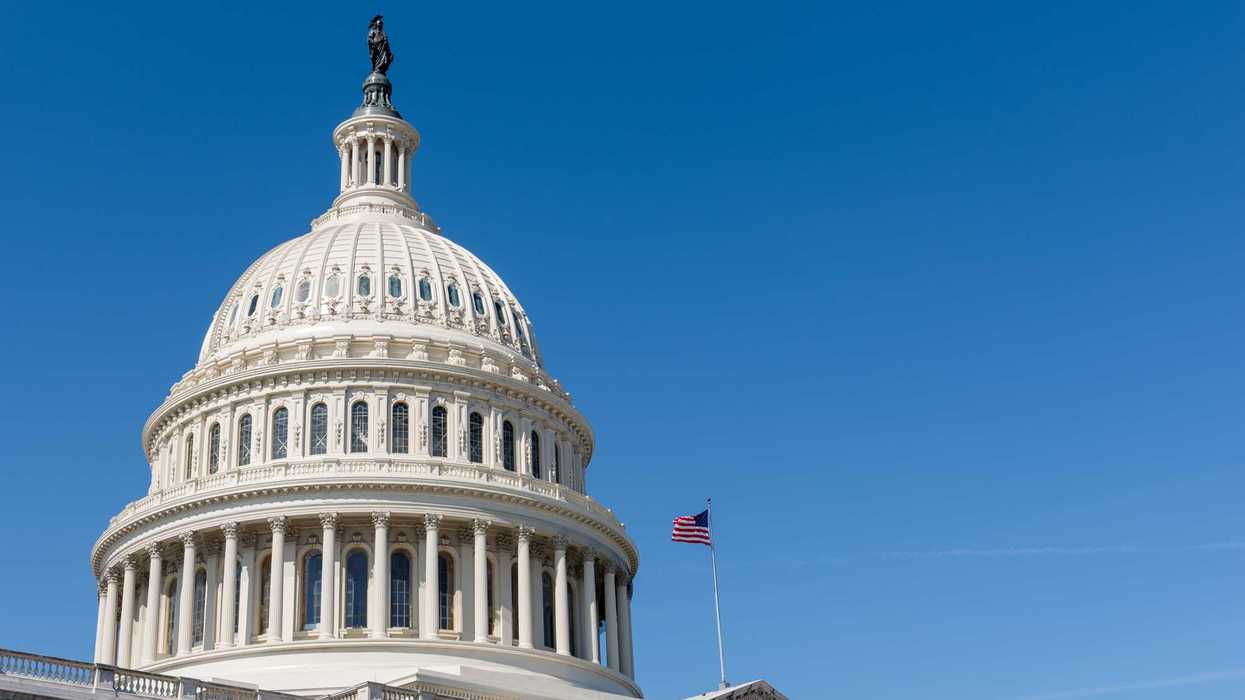
US Capitol

Congress Has Forgotten Its Oath — and the Nation Is Paying the Price

What has happened to the U.S. Congress? Once the anchor of American democracy, it now delivers chaos and a record of inaction that leaves millions of Americans vulnerable. A branch designed to defend the Constitution has instead drifted into paralysis — and the nation is paying the price. It must break its silence and reassert its constitutional role.

The Constitution created three coequal branches — legislative, executive, and judicial — each designed to balance and restrain the others. The Framers placed Congress first in Article I (U.S. Constitution) because they believed the people’s representatives should hold the greatest responsibility: to write laws, control spending, conduct oversight, and ensure that no president or agency escapes accountability. Congress was meant to be the branch closest to the people — the one that listens, deliberates, and acts on behalf of the nation.

Keep ReadingShow less
WI professor: Dems face breaking point over DHS funding feud

Republicans will need some Democratic support to pass the multi-bill spending package in time to avoid a partial government shutdown.

(Adobe Stock)

WI professor: Dems face breaking point over DHS funding feud

A Wisconsin professor is calling another potential government shutdown the ultimate test for the Democratic Party.

Congress is currently in contentious negotiations over a House-approved bill containing additional funding for the Department of Homeland Security, including billions for Immigration and Customs Enforcement, as national political uproar continues after immigration agents shot and killed Alex Pretti, 37, in Minneapolis during protests over the weekend.

Keep ReadingShow less