




Both chambers of Congress are in session this week and next. The House will probably function about like it has been - lots of votes (often by voice) on uncontroversial bills; many fewer votes on Republican priority bills. Lots of hearings this week and a few legislator updates.
Committee Meetings
Both chambers have a busy week with 64 total committee meetings scheduled.
Mullin Hearing
One of those hearings is of particular interest because it'll be the committee hearing for current Sen. Mullin (R-OK) who has been nominated to be the next Secretary of the Department of Homeland Security. We will be watching that Wednesday morning hearing as we put together a separate post on the nomination process for this nominee. For expectations management purposes: Mullin will almost certainly be confirmed. No Republican has voiced concerns about him and Sen. Fetterman (D-PA) has already said he'll vote for Mullin.
Scheduled House Votes
There were supposed to be a bunch of votes today on uncontroversial bills today, but weather has once again intervened. Presumably these votes will be moved to tomorrow, but it's not clear right now.
Of these bills, two will, should they pass the House without amendment, become law:
- S. 3971: Small Business Innovation and Economic Security Act. This bill would extend existing small business programs.
- S. 1884: Holocaust Expropriated Art Recovery Act of 2025. This bill would limit defenses against returning art that are based on passage of time and other non-merits arguments.
Legislator Updates
- Rep. Kiley (R*-CA3) becomes an "independent" *We will update our database when it's official. But we've put independent in quotes because he'll still caucus with Republicans and he says himself that this is unlikely to change any votes he might cast. He says in the same interview that this change is basically to improve his election prospects now that his district has been redrawn to include more Democratic voters.
- Rep. Ogles (R-TN-5), along with a number of other Republican members of Congress, have been posting crudely Islamophobic content over the last week. Republican House Leadership is fine with this and has in no way rebuked these members.
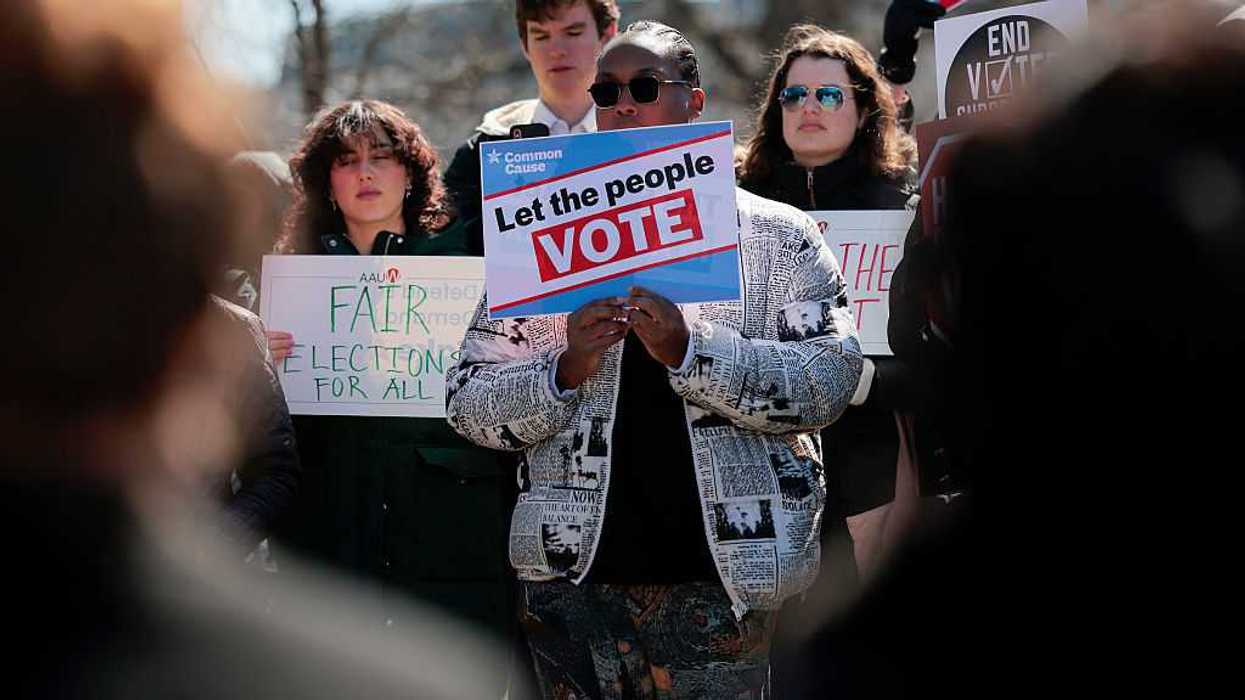
SAVE America Act Process
We almost called this section "The @#$@#$ Filibuster" for reasons that will become clear below. We have mentioned many times that Senate procedure is usually either complex and intentionally slow or very simple and fast.
Unopposed unanimous consent is the classic simple and fast example.
The moderately slow/complex example is cloture, aka the vote to end debate or the filibuster. Why moderately slow/complex? Why is this called the filibuster?
- The cloture vote requires basically a two day waiting period between the filing of the cloture vote and the vote itself, so that's the slow part.
- It only ends debate; technically it doesn't pass or fail the bill the itself. But given the 53 Republicans/47 Democrats in the Senate, a failed cloture vote does effectively cause the bill to fail because the chamber can't get enough members to agree to end debate. That's the complex part.
- The requirement of a 3/5ths majority (60 votes if all Senate seats are filled) means that the minority party in the Senate holds considerable power to prevent legislation from getting out of the Senate. That's the filibuster part.
Cloture votes have become very common. Most of the time when someone talks about "the filibuster", this is what they have in mind.
But this week the Senate is going to do a different and more complicated and even slower version of a filibuster. The end isn't likely to change - the SAVE America Act does not have the 60 votes needed for cloture right now - but the path to get there is going to be unusual.
Recap of main elements of current SAVE America text:
- Requires proof of citizenship to register to vote
- Requires states to submit voter lists to the feds for citizenship reviews
- People voting by mail must include a copy of their photo ID
- Requires photo ID at the polls
So what will the Senate do?
- Vote on the Motion to Proceed - this can also be subject to a 3/5ths majority, but not in this case.
- Most Senate Republicans support the bill so this vote will likely pass with a simple majority.
- Then, debate begins. Amendments may be offered. They will likely include provisions on unrelated issues like transgender athletes because President Trump has now demanded that as well.
- Because debate is unlimited until the Senate manually votes to end it, SAVE America supporters are betting that opponents will get tired and want to move on so the goal is go on as long as possible.
Is this a "talking filibuster"? Not really. A talking filibuster is a tactic to prevent passage of a bill that is likely to pass as soon as the minority gives up control of the floor.
But it also sort of is, in that the majority is banking on minority party senators wanting to work on their own priorities and so as long as they don't move to cloture, minority party member priorities are held up too.
So, the theory must be that enough Democrats will agree to vote yes on cloture if their own priorities are held up long enough by the process for the SAVE America Act. This tactic doesn't seem likely to succeed, but who knows.
Nonetheless, as of Monday morning March 16, this is what the Senate majority has planned for the week with respect to the SAVE America Act. We'll see by the end of the week where things stand both the majority's and minority's appetite for staying on this bill.
SAVE America Act Debate Begins; Mullin for DHS Hearing was originally published by GovTrack and is republished with permission.












The President Invited Iran to Bomb My Home