

Millions of families just survived the longest shutdown in U.S. history. Now they’re bracing again as politicians turn food assistance into a bargaining chip.
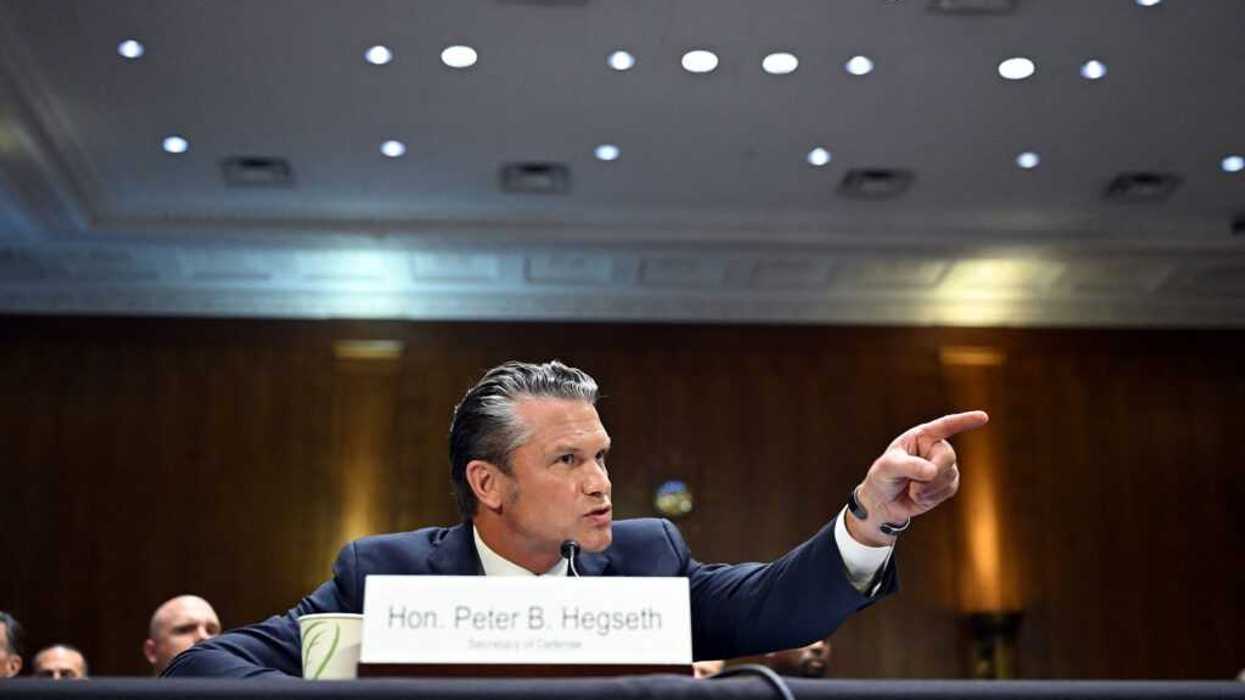
Food assistance should not be subject to politics, yet the Trump administration is now requiring over 20 Democratic-led states to share sensitive SNAP recipient data—including Social Security and immigration details—or risk losing funding. Officials call it "program integrity," but the effect is clear: millions of low-income families may once again have their access to food threatened by political disputes.
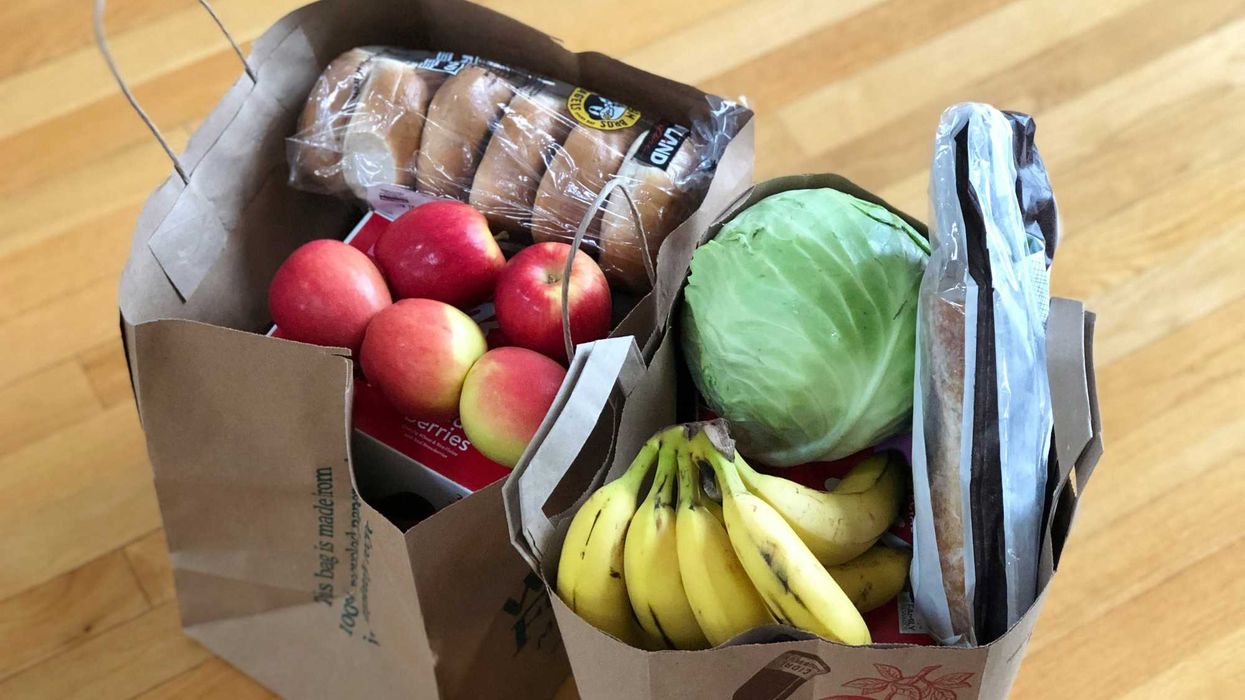
SNAP, or the Supplemental Nutrition Assistance Program, supports over 40 million Americans. It was created to address real hunger in the country, acknowledging that wages have not kept pace with the cost of living. The program ensures children, seniors, disabled adults, and working families can access food, regardless of which party leads their state. SNAP serves as an essential support, not a tool for political debate.
Yet now this vital assistance is being used for political leverage.
This moment lands especially hard because families just came out of another political standoff: the longest government shutdown in U.S. history. During the shutdown, SNAP recipients held their breath, wondering whether their November benefits — arriving during Thanksgiving — would come on time. Imagine heading into a holiday season not with excitement, but with anxiety about whether you can put food on the table.
When the shutdown ended, families exhaled. But that relief didn’t last long. Barely weeks later, the same families are once again living on high alert, scanning headlines to see whether their benefits could be delayed, reduced, or used as bargaining chips. The emotional whiplash is not a side effect — it is part of the harm.
People who already navigate daily precarity should not have to analyze political negotiations to determine whether their groceries will be covered next month. There’s something profoundly wrong with a system that forces families into a cycle of uncertainty every time elected officials pick a new fight. A federal judge has already stepped in—temporarily blocking the USDA’s demand that 21 states and Washington, D.C., hand over sensitive personal data on SNAP recipients, including Social Security numbers and immigration-related information.
Fraud is often invoked as justification for stricter oversight, but SNAP fraud rates remain extremely low—historically around 1 percent, according to the USDA’s own quality-control data. Experts at the Center on Budget and Policy Priorities note that SNAP already has one of the strongest oversight systems of any public benefit program.
States aren’t resisting oversight—they’re resisting exposing vulnerable residents to unnecessary risk. Digital privacy experts at the Electronic Privacy Information Center have raised red flags about the federal government’s push for a centralized database containing the personal information of tens of millions of low-income people. It warns that once all these records are aggregated, they “become vulnerable to breaches, misuse, and mission creep.”
We are not talking about fraud. We are talking about power. Food aid is becoming a pressure point in larger political battles. And the people who feel the consequences are not the politicians at the negotiating table; they are the families who rely on SNAP to prevent hunger. Children make up roughly 40 percent of SNAP participants, with millions more being older adults, people with disabilities, and working families trying to cover basic needs in an increasingly expensive economy.
Decades of research show the stakes: stable access to food is foundational to health, learning, and economic stability. Children’s HealthWatch warns that food insecurity “impedes children from reaching their full physical, cognitive, and psychosocial potential,” while the Food Research & Action Center finds that it increases adults’ risk of chronic disease, poor mental health, and higher health-care costs.
Public programs must be accountable. But accountability cannot be the excuse for punitive policies. We can protect program integrity without threatening people’s access to food or demanding unnecessary data that puts privacy and dignity at risk. We can strengthen oversight without turning hunger into a political consequence.
What we’re seeing instead is a reshaping of political norms — a willingness to use basic human needs as bargaining chips.
SNAP’s core benefits may be legally protected, but access to those benefits can still be destabilized through administrative pressure. Real reform requires elected officials who understand and reflect the needs of the communities they serve. Too often, the people most impacted by policy decisions look nothing like the people making them. Strengthening SNAP should include clear limits on how administrative funding can be used so it cannot be weaponized in political disputes. It also requires voters to choose representatives who will uphold those protections.
And even if you don’t work in policy, you still have influence. Getting involved—showing up at town halls, contacting representatives, supporting local food programs, and helping eligible families enroll in SNAP—sends a clear message: access to food is non-negotiable.
SNAP was designed to stabilize families and reduce hunger. It was never designed to be used as a carrot for compliant states or a stick for dissenting ones. If we lose sight of that, if we let children starve out of political spite, we lose sight of who we claim to be as a nation.
We must ask ourselves: If we’re willing to let food, the most basic human need, become leverage in political power plays, is there any line we can draw?
Randi McCray is a Public Voices Fellow of The OpEd Project in partnership with Yale University. She is the Associate Director of School Community & Culture at the Yale School of Public Health, where she works to build inclusive dialogue across differences.