

"I thought there was no way I could become a doctor. Now I know I can."
As I looked around the room, I noticed heads nodding in agreement.
That student's reflection wasn't an isolated experience. One by one, others shared similar stories describing how they had questioned whether they belonged in medicine, rarely saw healthcare professionals who looked like them, or simply didn't know that so many different careers in healthcare were possible. By the end of the conversation, it was clear that what had changed over the course of one week extended far beyond career interests. The students had begun to see themselves in a future that once felt out of reach.
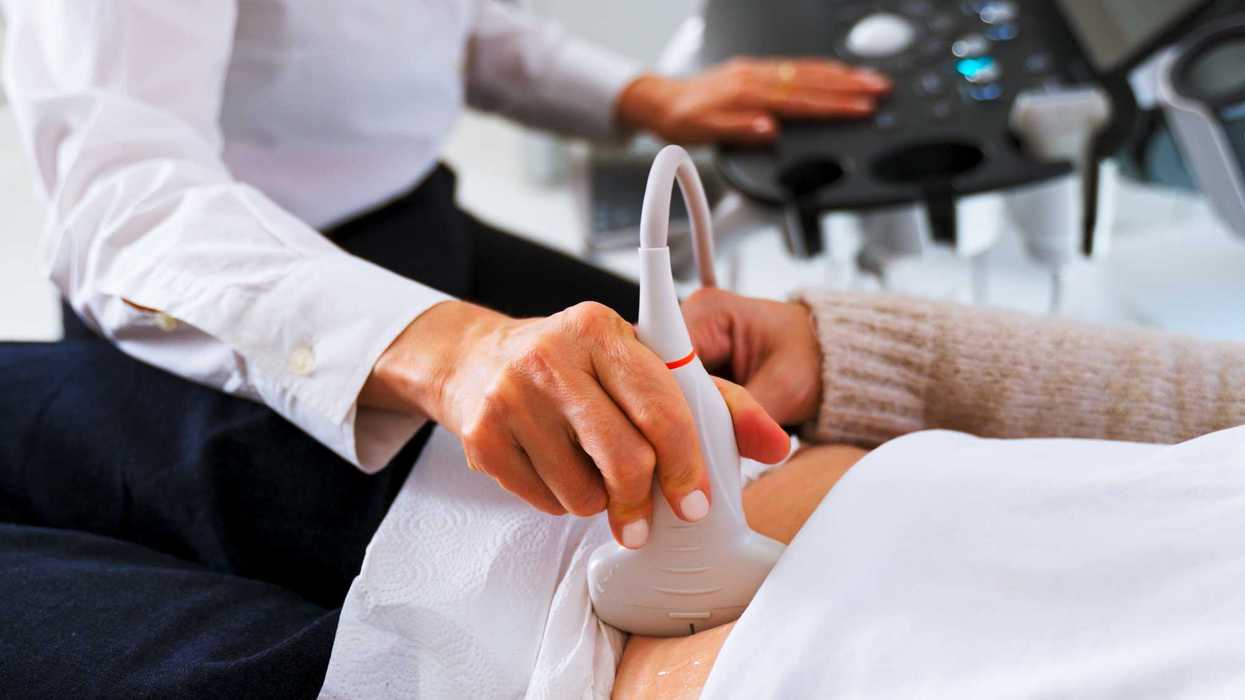
It was the final afternoon of the High School Opportunities for Pediatrics Experience and Shadowing (HOPES) Program, and I was facilitating the program's focus group. Throughout the week, I had watched students shadow physicians, nurses, sonographers, pharmacists, occupational therapists, child life specialists, and many other healthcare professionals at Monroe Carell Jr. Children's Hospital at Vanderbilt. They explored operating rooms, outpatient clinics, imaging suites, and multidisciplinary care teams while asking thoughtful questions about careers they had never known existed.
As the inaugural Program Evaluator for HOPES, I had spent months developing the program's evaluation framework, including the IRB-approved protocol, pre- and post-program surveys, daily reflection assessments, and the focus group guide. I had the opportunity to lead this work through my role as the Health Policy Fellow for the Organization for Latino Health Advocacy (OLHA), where I am focused on conducting community-based research and launching OLHA’s Youth Action network.
Evaluating HOPES allowed me to see firsthand how policy priorities surrounding workforce diversity and access are ultimately shaped by the experiences of individual students. Initially, I viewed these tools as a way to measure whether the program achieved its objectives. By the end of that focus group, however, I realized they had become something much more meaningful. They allowed me to document moments of transformation that numbers alone could never fully capture.
Finding Belonging in Healthcare
That realization was deeply personal.
As the daughter of a Mexican immigrant, I understand what it feels like to pursue higher education without a clear roadmap. My parents always believed education was the pathway to opportunity, but navigating college, graduate school, and now medical school applications often meant learning through trial and error. Like many of the students sitting around that table, I have questioned whether I truly belonged in spaces where few people shared my background.
Listening to students describe those same feelings reminded me why programs like HOPES matter. Exposure to healthcare is important, but exposure alone is not enough. Students do not simply need to see medicine; they need opportunities to envision themselves as part of it.
For many students, the first barrier to entering healthcare is not a lack of passion or potential. It is the absence of access. Without meaningful opportunities to interact with healthcare professionals, ask questions, and understand the pathways available to them, many students may never consider healthcare as a realistic future.
Beyond Shadowing: Creating Meaningful Exposure
The purpose of HOPES was designed to provide students with a comprehensive view of the healthcare system and the many roles that contribute to patient care.
Throughout the week, students experienced healthcare from multiple perspectives. They observed clinical decision-making, learned about specialized roles within pediatric care, and witnessed the collaboration required to support children and families. A physician was only one part of the story. Nurses, therapists, pharmacists, imaging specialists, and countless other professionals demonstrated that healthcare is built by a team with diverse expertise.
Through daily reflections, pre- and post-program surveys, and focus group discussions, a consistent theme emerged: students were not only gaining knowledge about healthcare careers; they were building confidence that those careers were attainable.
Many students entered the program with limited awareness of the breadth of healthcare professions. By the end of the week, they described a broader understanding of healthcare and recognized that there were multiple pathways where their interests, experiences, and strengths could make an impact.
The greatest outcome of HOPES was not that students learned about healthcare. It was that they began to see themselves as future contributors to it.
Strengthening the Healthcare Workforce Starts With Early Opportunity
The reflections shared by students also highlighted a larger challenge within healthcare: the pathway into healthcare professions is not equally accessible to all students.
Workforce diversity is often discussed in the context of medical education and professional training, but the pipeline begins much earlier. A student's decision to pursue healthcare is shaped by early exposure, mentorship, encouragement, and access to people who can help them navigate the journey.
For students who do not grow up around healthcare professionals, the process of pursuing a healthcare career can feel unfamiliar and inaccessible. They may not know what opportunities exist, what steps to take, or whether someone like them belongs in those spaces.
This is why building a diverse healthcare workforce is not only an educational priority; it is a health policy issue. Creating a healthcare workforce that reflects the communities it serves is essential to advancing health equity. Patients benefit when healthcare professionals understand their communities, communicate effectively, and build trust through shared experiences and perspectives.
From Programs to Policy: Sustaining the Healthcare Workforce Pipeline
Programs like HOPES demonstrate what is possible when students are given meaningful opportunities to explore healthcare careers, connect with mentors, and develop a sense of belonging within the field. However, creating lasting change requires moving beyond individual programs and recognizing early career exposure as an essential component of healthcare workforce development.
Strengthening the healthcare workforce requires sustained investment from healthcare institutions, educational systems, and policymakers. This includes creating long-term partnerships between hospitals and schools, expanding mentorship opportunities, and supporting programs that introduce students to the diverse range of careers available in healthcare. National workforce initiatives, including those supported by the Health Resources and Services Administration (HRSA), highlight the importance of building structured pathways that help students access the experiences and resources needed to pursue health careers.
Equally important is understanding which strategies create meaningful impact. Evaluation provides a critical tool for ensuring that workforce development efforts are not only expanding access, but also improving students’ confidence, knowledge, and readiness to pursue healthcare pathways. By listening to students and measuring their experiences, institutions can identify how to design more effective programs and build a stronger healthcare workforce for the future.
Through my Health Policy Fellowship with the Organization for Latino Health Advocacy, I have come to appreciate that strengthening the healthcare workforce extends beyond legislation alone. Policy also involves understanding which programs work, evaluating their impact, and using evidence to advocate for investments that expand opportunity. HOPES reinforced that meaningful evaluation is not simply about measuring outcomes; it is about generating the evidence needed to build stronger, more equitable pathways into healthcare.
Investing in the Next Generation of Healthcare Professionals
The future of healthcare depends not only on training the next generation of professionals, but also on ensuring that students from all backgrounds have the opportunity to imagine themselves in those roles.
The student who shared, "I thought there was no way I could become a doctor. Now I know I can," represented something much larger than an individual moment of inspiration. That statement reflected the power of creating access, fostering belonging, and opening doors that might otherwise have remained closed.
My experience with HOPES reminded me that workforce transformation does not begin when a student enters medical school or steps into a clinical role. It begins much earlier with a first conversation, a meaningful experience, and someone who helps a student recognize that they belong.
Sometimes, changing healthcare begins by helping someone believe they have a place within it.
Lessons From Evaluating the HOPES Program was first published by Organization for Latino Health Advocacy and is republished with permission.
Chloe Urias, MPH, is an OLHA Health Policy Fellow.