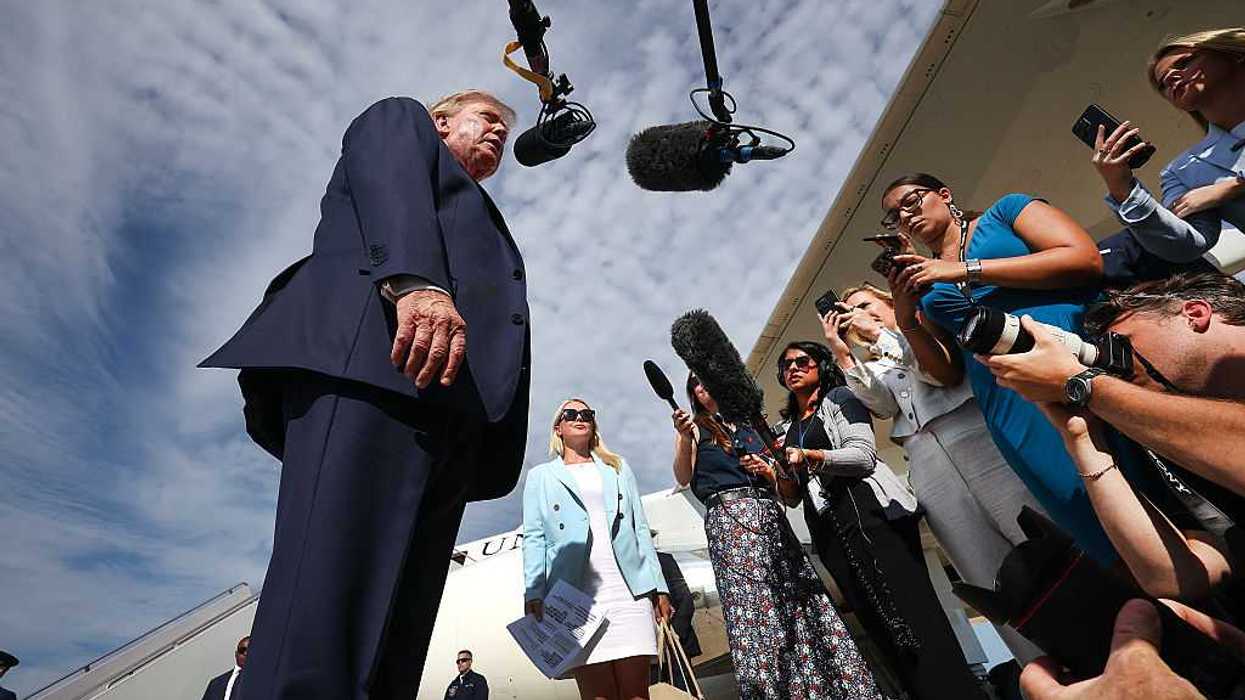
Even with the full protection of the First Amendment, the free press in America is at risk. When a president works tirelessly to silence journalists, the question becomes unavoidable: What truth is he trying to keep the country from seeing? What is he covering up or trying to hide?
Democracies rarely fall in a single moment; they erode through a thousand small silences that go unchallenged. When citizens can no longer see or hear the truth — or when leaders manipulate what the public is allowed to know — the foundation of self‑government begins to crack long before the structure falls. When truth becomes negotiable, democracy becomes vulnerable — not because citizens stop caring, but because they stop receiving the information they need to act.
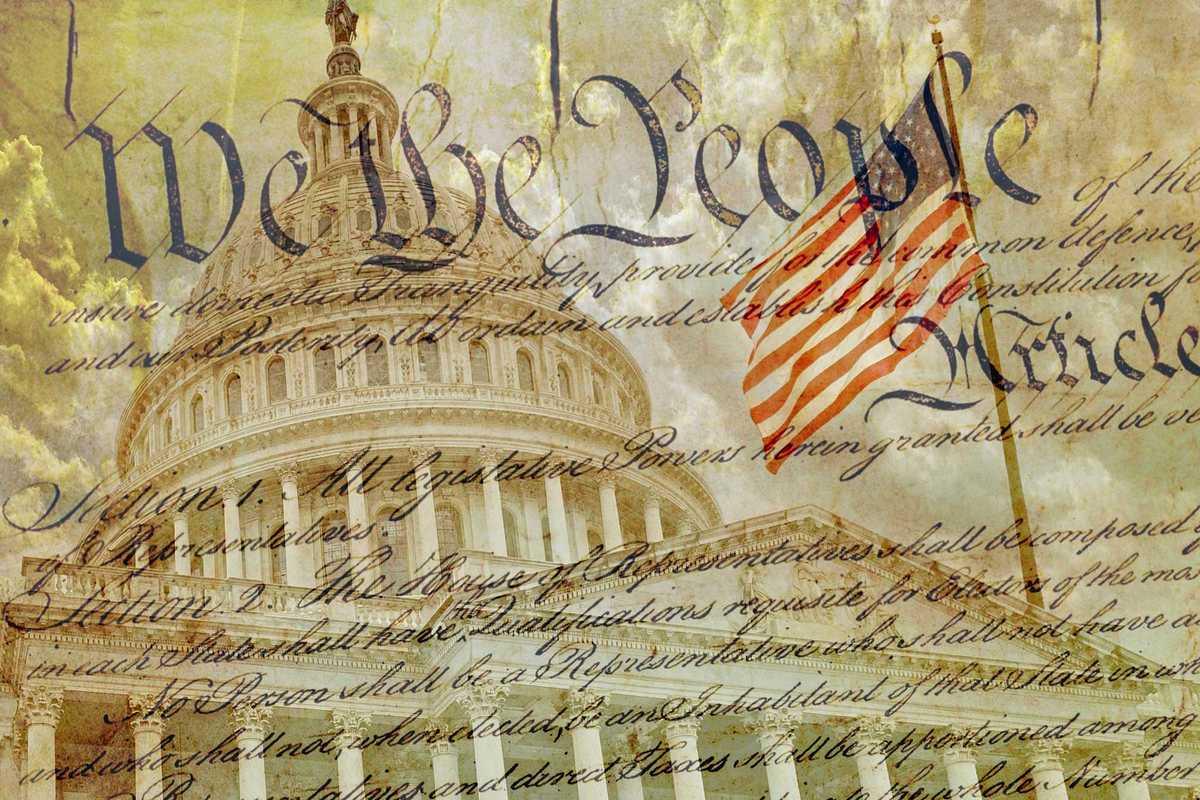
The framers wrote the First Amendment because they understood the danger of leaders who try to control information. They had lived under a government that censored newspapers, punished criticism, and used fear to silence dissent. So they wrote a simple, absolute command: Congress shall make no law abridging the freedom of the press. They were not protecting journalists as a profession; they were protecting the people’s right to know what their government is doing.
Senator John McCain, who died in 2018 after more than three decades of service in Congress, was widely regarded as an influential figure within his party and a leader who valued bipartisan cooperation. Though he and then‑Senator Joe Biden belonged to different political parties, they worked together for years on national security, foreign policy, and veterans’ issues — a reminder that strong leaders can debate fiercely while still upholding democratic norms.
McCain had been warning about the dangers of undermining the press for years. In a 2017 interview on NBC’s Meet the Press (McCain Interview), he said that he “hated the press,” but defended it because democracy cannot survive without it. He cautioned that suppressing a free press is “how dictators get started,” emphasizing that an adversarial press — one willing to challenge leaders and expose uncomfortable truths — is essential to preserving individual liberties.
Yet today, we are watching the very scenario the framers feared. Leaders who dislike scrutiny increasingly turn to a familiar strategy: discredit the press so the public will distrust the facts. They label critical reporting as “fake,” call journalists names, question their motives, and attack their credibility. These tactics are not spontaneous; they are strategic. They are designed to weaken the institutions that hold power accountable and to convince citizens that only the leader can be trusted.
Most citizens only see the tip of the iceberg — the public statements, the press conferences, the televised moments. But journalists uncover what lies beneath: documents, decisions, contradictions, and consequences. When leaders attack the press, they are not reacting to the tip of the iceberg; they are trying to keep the public from seeing what lies below the surface.
And yet, the free press remains one of the most resilient institutions in American life. It has survived the Sedition Act, McCarthyism, and Watergate. Even under relentless pressure, journalists persist in uncovering facts that powerful people would prefer to keep hidden. That resilience is not accidental — it is the design the framers intended.
I once overheard a senior citizen speaking with a friend about the documents found at Mar‑a‑Lago. I don’t remember the exact words, but I remember the look on her face when she said, “They did not tell us that on our news.” It was a moment of quiet realization — the kind that reveals how easily citizens can be kept in the dark without ever knowing it. She wasn’t choosing silence; she was receiving only fragments of the truth.
A friend once asked me, “Why are people so upset? Why don’t they leave President Trump alone? After all, the FBI delivered the documents to him at Mar‑a‑Lago.” I had no words. I simply asked who told her that, and suggested she look deeper to find the truth. Her comment wasn’t malicious — it was the product of a news environment where people can be absolutely certain they are informed while receiving information that is incomplete or inaccurate.
This is why democracies do not collapse in silence. Citizens hear what is happening. They see what is happening. The danger is not that the public is unaware — it is that leaders work to distort, deny, or drown out what the public witnesses. When noise replaces information and denial replaces accountability, leaders can act without scrutiny. A weakened press does not just limit what citizens know — it expands what leaders can hide. Recent events continue to show how easily truth can be distorted or denied. Reporting from the Associated Press (APNews) and Reuters (Reuters.com) on Venezuela shows why independent journalism matters: without it, the public would have no window into decisions that affect national policy and global stability.
Misinformation now spreads at the speed of a click, while truth moves at the speed of verification. Interviewers must be prepared, ask evidence‑based questions, and challenge falsehoods in real time because the public is watching in real time.
Many Americans now rely on one‑sided news sources that reinforce what they already believe. These echo chambers create insulated audiences who rarely encounter conflicting information. The constant barrage of conflict and contradiction becomes emotionally exhausting, making disengagement feel like self‑protection. But disengagement creates a vacuum — and power always fills a vacuum.
Defending a free press does not mean pretending that all news outlets uphold the same standards. Some blur the line between fact and opinion or amplify misinformation. But the failures of some outlets do not diminish the constitutional role of a free and independent press. A democracy cannot function when citizens are misled — nor can it survive when journalists are silenced.
Leaders have a responsibility not only to govern, but to model the democratic values they swore to uphold. That begins with telling the truth — even when the truth is inconvenient or politically costly. The best rule for any leader is simple: if you do not want the public to know about it, then do not do it. Public office is not a private enterprise. Decisions made in the dark almost always betray the people who must live with the consequences.
My mother used to say, “What you do in the dark always comes out in the light.” It is a truth echoed across history, philosophy, and even scripture — Luke 12:2–3 (NIV) and Mark 4:22 (NIV) — the idea that hidden actions eventually become known.
If leaders cannot tell the truth, they should at least refuse to lie. If they cannot answer a question, they should not attack the person asking it. If they cannot be transparent, they should simply say, “No comment at this time,” rather than distort, dehumanize, or deny. Leaders honor the First Amendment and must commit to transparency, correct misinformation rather than amplify it, and respect the independence of institutions that exist to protect the public — not the powerful.
Protecting a democracy built on truth requires action from every institution and every citizen. The press must continue to investigate and publish information about government actions, even when those findings are uncomfortable or politically inconvenient. Journalists must hold leaders accountable, challenge attempts to block or suppress reporting, and uphold the highest ethical standards. Their role as watchdogs is not ceremonial — it is constitutional. They must defend their right to gather accurate information, use the courts when necessary to challenge unlawful restrictions, and explain to the public why a free press is essential to self‑government. A democracy cannot function when journalists are intimidated, sued, retaliated against, or threatened for doing their jobs. Those are the tactics of weak leaders, not democratic ones.
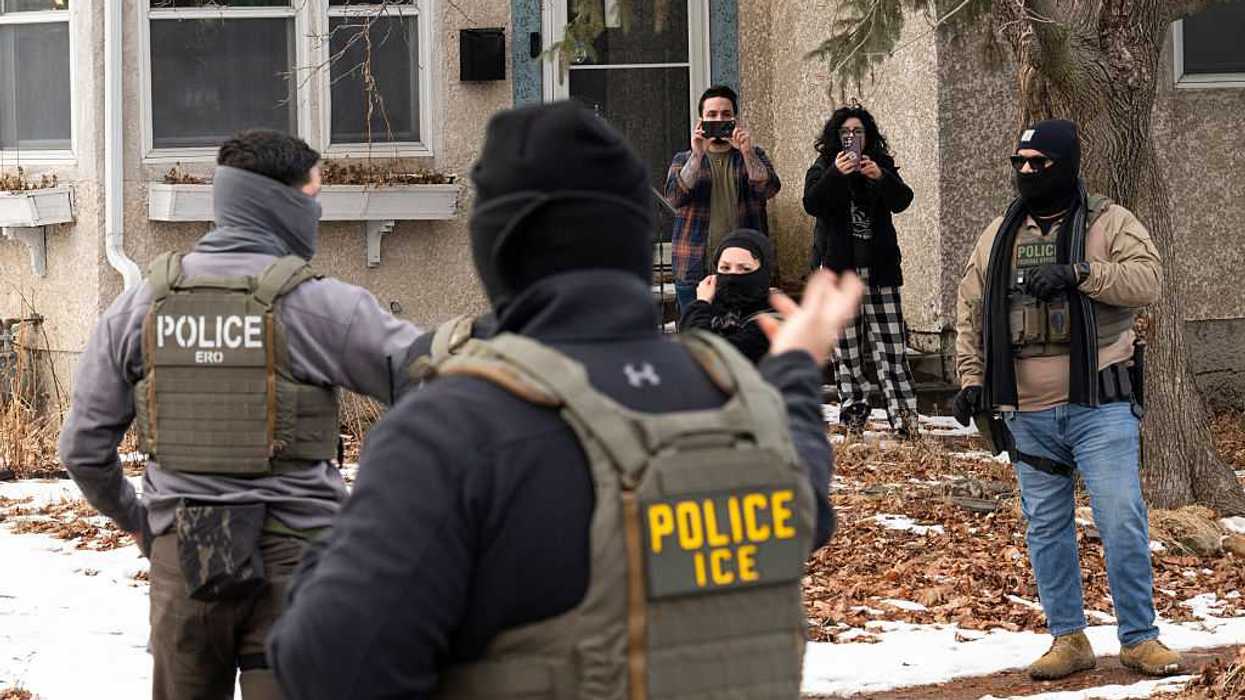
Citizens also carry responsibility. Democracy depends on an informed and engaged public — people who attend meetings, ask questions, write emails, make calls, and speak directly to officials when something is wrong. Citizens must research information to validate facts, support fact‑based journalism, and challenge misinformation respectfully but firmly. They must choose their news sources carefully, avoiding echo chambers that reinforce only what they already believe. They must exercise their rights to speak, record, photograph, and assemble peacefully in public forums — especially when those rights are challenged, as when ICE officers recently tried to prevent protesters from filming. And when necessary, citizens must protest peacefully, as seen in the Jimmy Kimmel case, to defend free expression and the public’s right to know.
Elected officials must model the democratic values they swore to uphold. Congress must stop covering up, repeating, or defending lies. They must stop twisting the truth to protect political allies and stop hiding behind excuses like “I haven’t read it” or “I didn’t know.” Transparency is not optional; it is the foundation of public trust. Leaders must give honest answers — or, when necessary, simply say “No comment” rather than mislead the public. Public office is not a private enterprise. Decisions made in the dark almost always betray the people who must live with the consequences.
A president must respect the First Amendment and the public’s right to know. That means telling the truth — not lying, covering up, or manipulating information. A president must stop attacking, discrediting, or dehumanizing the press, and must stop calling factual reporting “fake” simply because it is unfavorable. If a president does not want an action reported, the solution is simple: do not engage in conduct that cannot withstand public scrutiny. No president should intimidate journalists, instill fear, retaliate against them, or use lawsuits and legal threats to silence reporting — because that is what weak leaders do.
Truth is a public good — and when it is weakened, the entire civic ecosystem suffers. A nation that cannot see or hear the truth cannot remain a democracy. But a people who insist on truth — who demand transparency, challenge misinformation, and hold leaders accountable — will always have the power to protect it, and to pass it forward.
Carolyn Goode is a retired educational leader and national advocate for ethical leadership, government accountability, and civic renewal. She writes about democratic norms, constitutional responsibility, and the role of truth in public life.