

Skip to content
Search

Latest Stories

Follow Us:
Top Stories

Bridge the Divide Part 5

Rhythm Corps - Common Ground

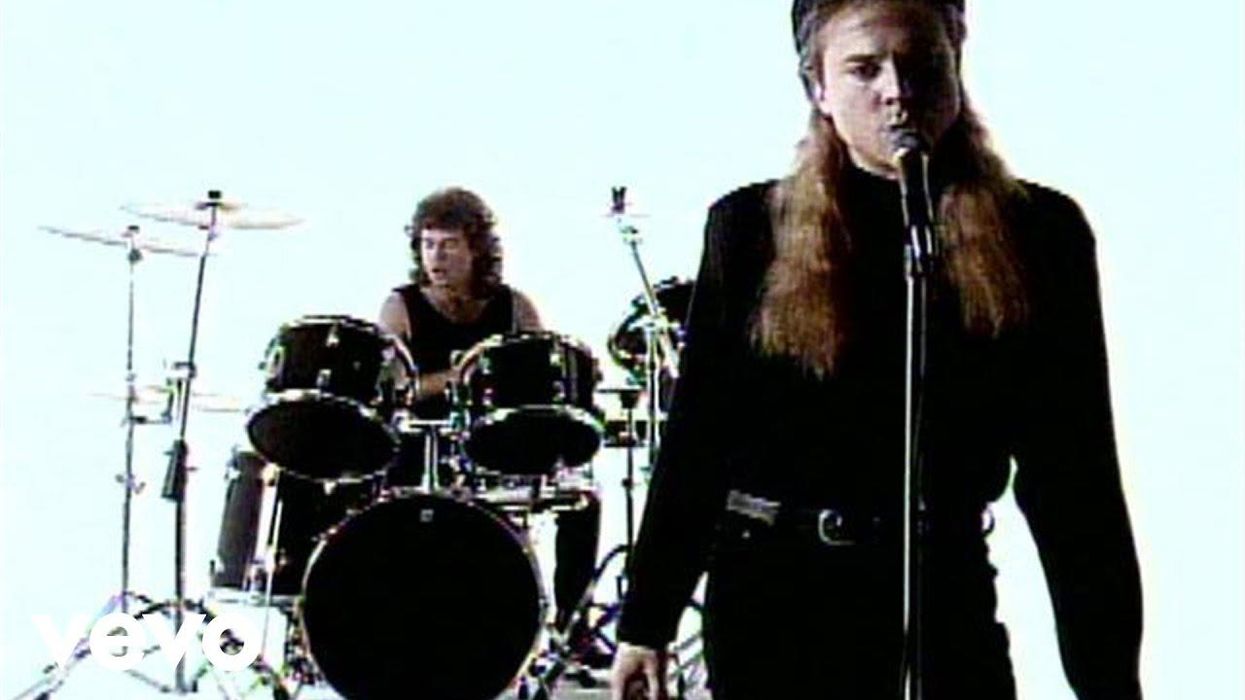
This is the fifth in a five-part “ Bridge the Divide ” series that showcases efforts by artists to find common ground.

The Detroit-based alternative rock band Rhythm Corps reached its highest point on the music charts with “Common Ground.” In 1988, the song spent 17 weeks on the Mainstream Rock list and cracked the top 10.


The song begins:

Can we meet on common ground

Are our views so far apart

There's no room to be found

Can we speak without the sound

Of a world gone quite insane

Can we start settling down

I'll not play the scene where the

Threats start flying

You'll not have to scream

'cause we're not that stupid

Can we meet on common ground

https://www.youtube.com/watch?v=90Dt75MVtqw

Read More

Interfaith Music Aims to Reclaim January 6 for Unity

Elena “La Fulana” Lacayo

Interfaith Music Aims to Reclaim January 6 for Unity

Music has played a significant role in uniting people of different faiths in the United States. From the Civil Rights era to the years following 9/11, Americans have used music to bridge religious divides and affirm their shared humanity. Interfaith music extends beyond worship and remains a lasting way for Americans to remember their common bonds. St. Augustine expressed the power of music in faith when he said “When I sing, I pray twice.”

In this spirit, The Fulcrum highlights stories during the holiday season that reflect universal themes. Messages of love, kindness, hope, and generosity resonate across cultures and traditions, reminding us that shared values are stronger than our divisions.

Keep ReadingShow less
A Baseball Team Caught Between Two Countries — a Visa Shift and a Shutdown

The Tucson baseball team playing against the Águilas de Mexicali in the border city of Mexicali. Photo courtesy of the Tucson baseball team

A Baseball Team Caught Between Two Countries — a Visa Shift and a Shutdown

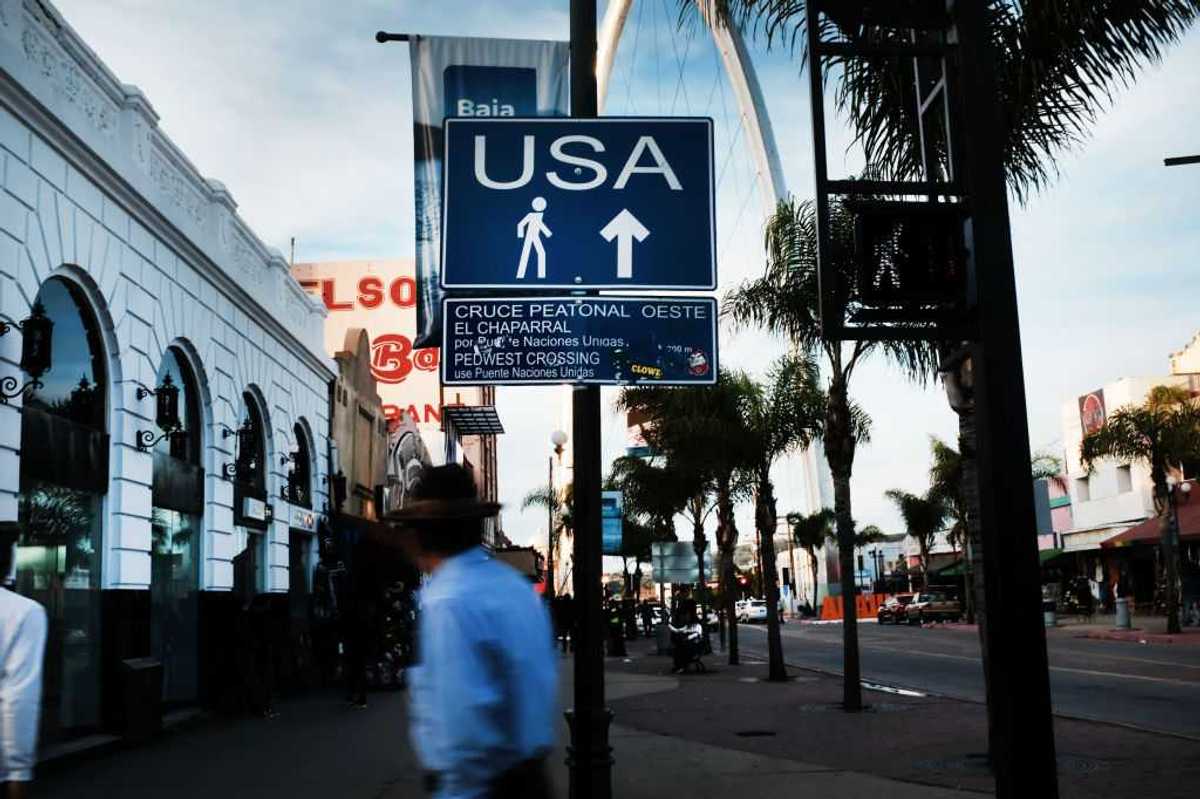
NOGALES, SONORA, MEXICO — What was meant to be a historic first for America’s pastime — a Mexican Pacific League baseball franchise anchored north of the border — has become a bureaucratic curveball.

The newly relocated Tucson, Arizona, baseball team — formerly the Mayos de Navojoa from Sonora, Mexico — has yet to fulfill a long-held dream shared by fans on both sides of the border: bringing professional Mexican winter baseball to U.S. soil.

Keep ReadingShow less
From Bob Dylan to Kendrick Lamar: How Protest Music Still Shapes America in 2025
Bob Dylan | Xavier Badosa | Flickr

From Bob Dylan to Kendrick Lamar: How Protest Music Still Shapes America in 2025

Pop music has always been more than entertainment. Reflects society’s struggles, dreams, and contradictions.

Across the last fifty years, artists from Bob Dylan to Kendrick Lamar have given voice to war and peace, protest and resilience, identity and equality, economic struggle and hope. Their lyrics, written for a moment in time, echo with startling relevance in 2025.

Keep ReadingShow less
Don’t Be a Working Class Hero — Just Imagine!

John Lennon’s “Imagine” comforts, but his forgotten songs like “Working Class Hero” and “Gimme Some Truth” confront power — and that’s why they’ve been buried.

Getty Images, New York Times Co.

Don’t Be a Working Class Hero — Just Imagine!

Everyone knows John Lennon’s “Imagine.”

It floats through Times Square on New Year’s Eve, plays during Olympic ceremonies, and fills the air at corporate galas meant to celebrate “unity.” Its melody is tender, its message is simple, and its premise is seductive: If only we could imagine a world without possessions, borders, or religion, we would live in peace.

Keep ReadingShow less