
Skip to content
Search

Latest Stories

Follow Us:
Top Stories

The women who lead democracy reform

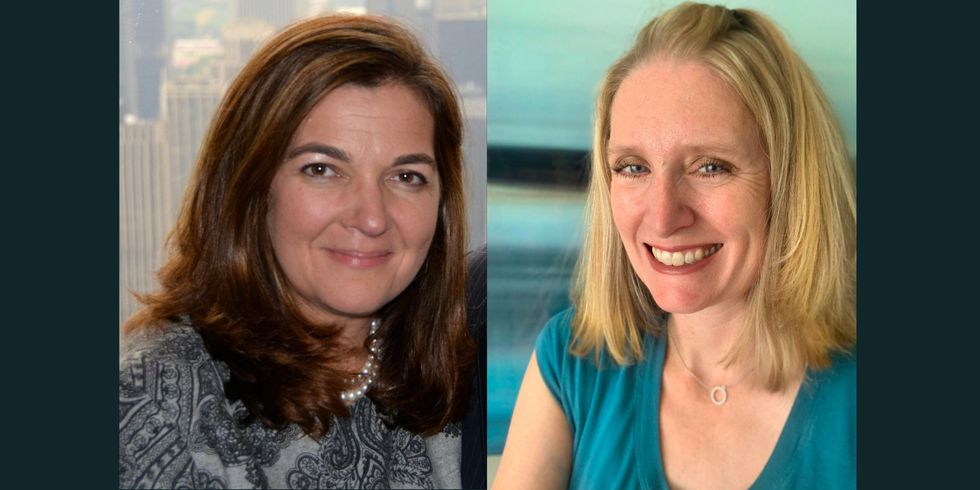
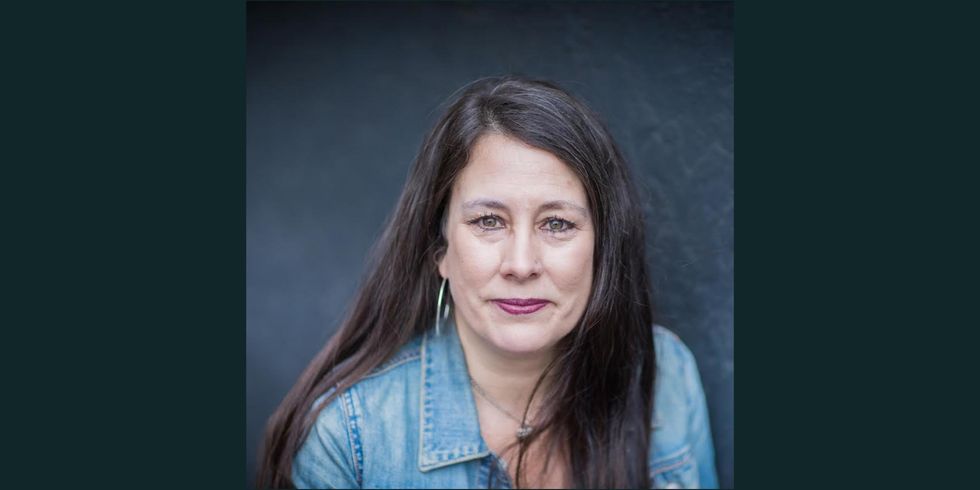
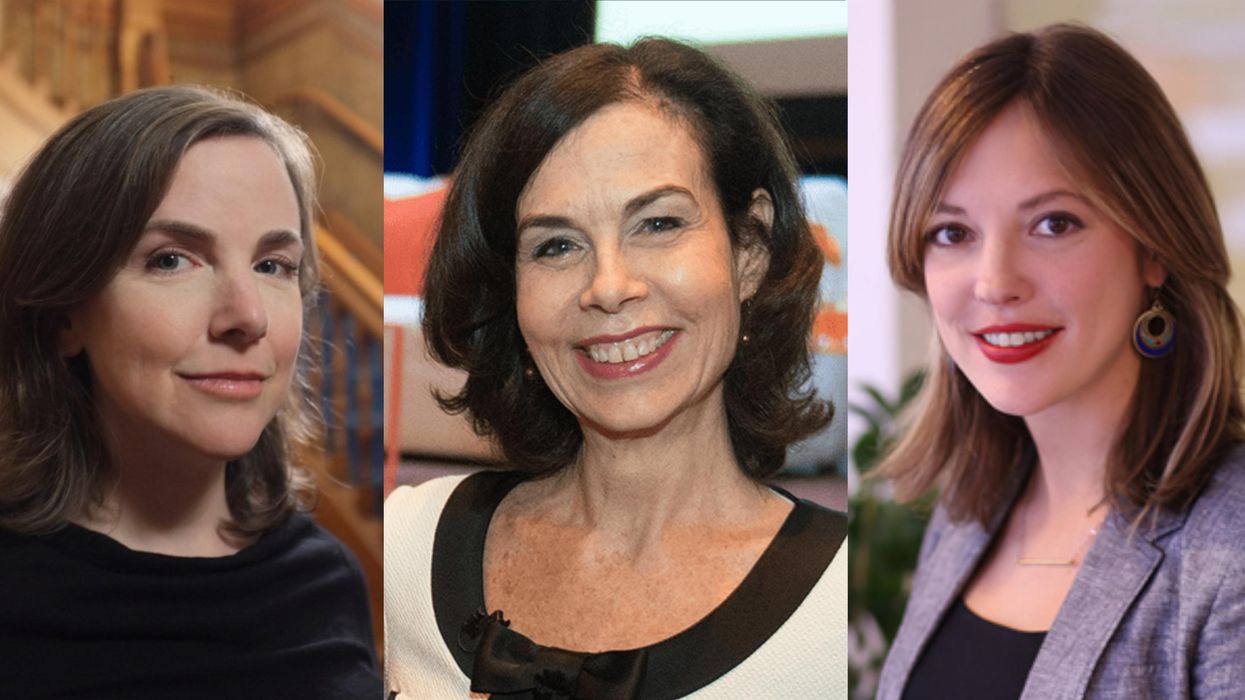
Sara Bonk, Jackie Salit, Justine Williams

While women remain significantly underrepresented in government, there is at least one adjacent field in which they have achieved gender parity in leadership: the universe of democracy reform and bridge-building organizations.

In its 2021 Diversity Report, the Bridge Alliance found that half of the executives leading its 100 member organizations are women. (Disclosure: The Fulcrum is a program within the Bridge Alliance, which brings together organizations working toward a healthy democracy.)


To mark Women’s History Month, The Fulcrum is spotlighting just some of the women leading these organizations.

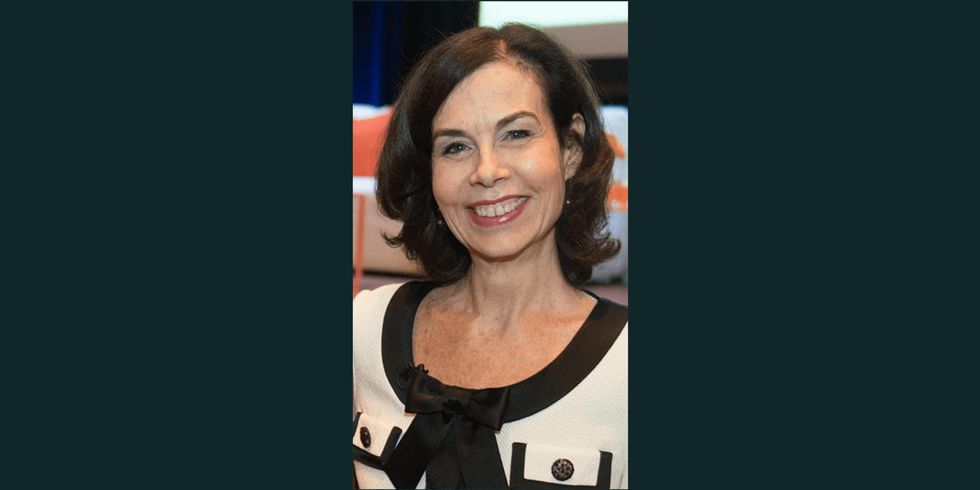
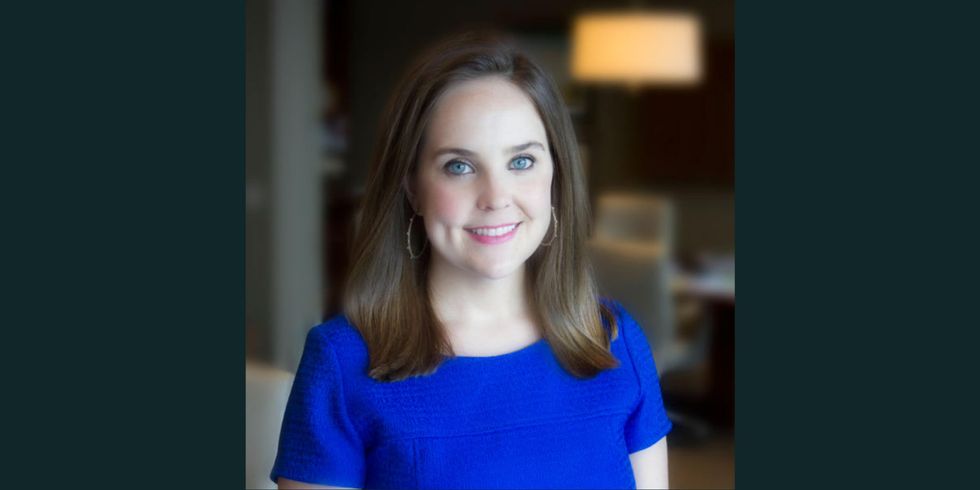
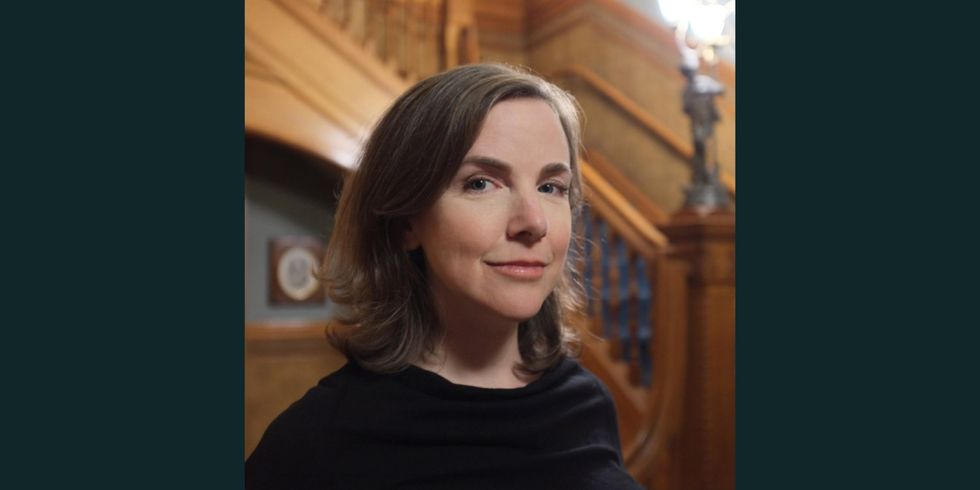
Susan Muller
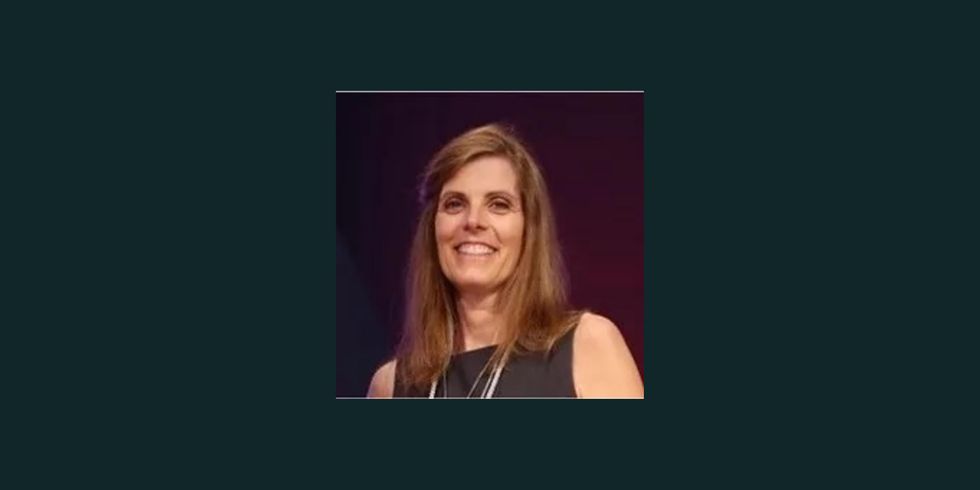
Executive Producer, MainStream Nation

"I co-founded MainStream Nation to lessen the political divide that’s tearing the United States apart. MainStream Nation will help mend our great country with technology and entertaining civic programming to empower, excite and unite Americans.

I have great respect for MainStream Nation co-founder Marinda Ragsdale, Erb Institute’s Elizabeth Doty and movement leader Katherine Gehl."


Read More

“I’m still under attack:” Karla Toledo, relief and fear after case dismissed

A community member rests on the sidewalk, shielding herself from the sun with a banner outside the Tucson Immigration Court. People show their support for Karla Toledo with banners and petitions, and by wearing pink — a color representing solidarity with communities affected by mass deportation policies.

Credit: Summer Williams

“I’m still under attack:” Karla Toledo, relief and fear after case dismissed

Karla Toledo — the DACA recipient detained by masked immigration agents at her own home in mid-May — celebrated the dismissal of her case by a judge in Tucson. The 31-year-old Latina immigrant expressed both relief and caution.

About 30 people gathered Wednesday outside the Tucson Immigration Court building for what was expected to be Karla’s first hearing after her arrest and confinement at Eloy Detention Center. Family and community members carried signs with Karla’s image that read: “Stand with Karla. Protect Dreamers.”

Keep ReadingShow less
The Rings and the Great Debate
Lincoln-Douglas debates

The Rings and the Great Debate

When John and Mary Ring arrived in Will County, they stepped into a world unlike anything they had known. The prairie was crowded with newcomers — Germans, Irish, Scots, English, Scandinavians — each carrying their own languages, faiths, customs, and grievances. It was a noisy, fluid, sometimes volatile mix of people who had nothing in common except the simple fact that they were here. And yet, in that crowded field of difference, the Rings recognized something essential: their survival depended on finding common ground. They didn’t have to agree with everyone. They didn’t have to like everyone. But they understood that in this new American world, no group could elevate itself above the others without consequence. The only way forward was together. This was their first lesson in American identity.

What they did not expect was the media. The American press of the 1850s was loud, partisan, explosive, and central to the political fracture that would soon tear the nation apart. Newspapers were not neutral conveyors of information — they were engines of identity, outrage, and mobilization. Every faction had its own paper. Every paper had its own truth. For immigrants like the Rings, it was disorienting. Had they escaped one form of chaos only to land in another? But instead of judging, they discerned. They listened. They watched. They learned to separate noise from signal. And in that cacophony, a voice began to rise.

Keep ReadingShow less
America was much more of a mess at the bicentennial than it is today

Crowds fill the street during an Americana Fair on 52nd Street in the borough of Manhattan, New York City, New York, 20th June 1976.

(TNS)

America was much more of a mess at the bicentennial than it is today

As we approach the 250th anniversary of the Declaration of Independence, America is in a pretty foul mood, and I understand why. For starters, Washington is broken, prices are high and rising, and AI is scaring the stuffing out of people.

Understanding, however, is not synonymous with agreement. In other words, some complaints about America in 2026 have more empirical weight than others. Crime may be too high, but it’s been going down for a while.

Keep ReadingShow less