


Skip to content
Search

Latest Stories

Top Stories

Bipartisan group offers tips for reducing vote-counting time​

Voting
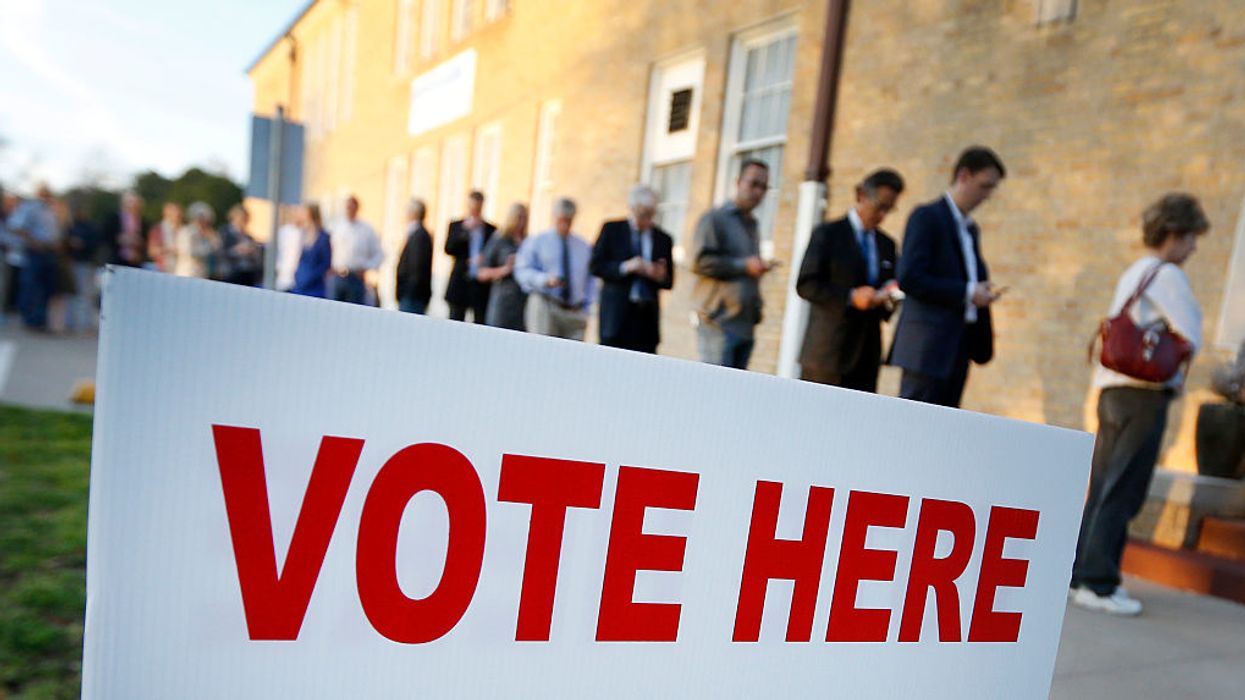
Ron Jenkins/Getty Images

The coronavirus pandemic, the surge of mailed ballots and predictions of a record turnout each contributes challenges for election officials, voters and the media. An election like no other demands new guidance.

The Bipartisan Policy Center's Task Force on Elections has stepped in with a series of recommendations for how to deal with counting the votes cast this fall.


Perhaps the greatest vote-counting challenge is that it is likely a large number of ballots will not be counted by the time Election Day turns into Nov. 4. Absentee ballots, which comprised about one-fourth of all votes in 2016, are likely to double or triple and in some states, overwhelming the equipment and staff trying to count them.

So, several of the BPC recommendations relate to efforts to move the counting process along as quickly as possible.

These include:

  • Removing excessive absentee ballot verification requirements, including notaries or witnesses.
  • Allowing voters time to fix problems with their mailed-in ballots, such as signatures not matching.
  • Asking for additional ways to reach voters, such as telephone numbers and email, so they have a chance to respond to problems with their votes.

Communicating updates to the public is going to be especially critical because there might be a tendency for people to lose confidence in the election results the longer the final numbers are delayed.

The BPC report also calls for election officials to get permission to begin processing absentee ballots prior to Election Day as a way to mitigate the time required to get through them all.

For those voters who go to polling places, the report calls for careful adherence to CDC guidelines on conducting safe, in-person voting.

To prevent problems with mail-in ballots that could slow the counting process, the report recommends election officials consult with the Postal Service to make sure the ballot designs conform to USPS standards.

"Election officials and policymakers continue to adapt the election process to keep voters safe during the pandemic, but one area that has not gotten enough attention is how votes will be counted," said Rachel Orey, a research analyst at BPC's Elections Project. "This new report contains pragmatic recommendations to improve the counting process and responds to major legitimacy concerns, including absentee ballot security and delayed election results."

Read More

A nurse giving a patient a shot.

A pregnant woman receives a COVID-19 vaccine at a pharmacy in Pennsylvania in 2021. Hannah Beier/Reuters.

Hannah Beier/Reuters

Amid Confusing CDC Guidance About Vaccines, Study Highlights New Risk of COVID-19 During Pregnancy

In the first 18 months of the COVID-19 pandemic, tens of thousands of pregnant women were wheeled into hospitals where they fought for their lives and the lives of the babies they carried.

It took the Centers for Disease Control and Prevention until August 2021, eight months after the first vaccine was administered, to formally recommend the COVID-19 shot for pregnant and breastfeeding mothers. The CDC had found that pregnant women with COVID-19 faced a 70% increased risk of dying, compared with those who weren’t. They also faced an increased risk of being admitted to the intensive care unit, needing a form of life support reserved for the sickest patients, and delivering a stillborn baby. In recommending the vaccine, the CDC assured them that the shot was safe and did not cause fertility problems.

Keep ReadingShow less
A nurse giving a patient a shot.

A pregnant woman receives a COVID-19 vaccine at a pharmacy in Pennsylvania in 2021. Hannah Beier/Reuters.

Hannah Beier/Reuters

Amid Confusing CDC Guidance About Vaccines, Study Highlights New Risk of COVID-19 During Pregnancy

In the first 18 months of the COVID-19 pandemic, tens of thousands of pregnant women were wheeled into hospitals where they fought for their lives and the lives of the babies they carried.

It took the Centers for Disease Control and Prevention until August 2021, eight months after the first vaccine was administered, to formally recommend the COVID-19 shot for pregnant and breastfeeding mothers. The CDC had found that pregnant women with COVID-19 faced a 70% increased risk of dying, compared with those who weren’t. They also faced an increased risk of being admitted to the intensive care unit, needing a form of life support reserved for the sickest patients, and delivering a stillborn baby. In recommending the vaccine, the CDC assured them that the shot was safe and did not cause fertility problems.

Keep ReadingShow less
Person filling out absentee ballot.

Twenty-six states will elect Secretaries of State in 2026, with key battlegrounds and rising concerns over election deniers shaping the future of U.S. election integrity.

Getty Images, Cavan Images

Why 26 Secretary of State Races in 2026 Could Shape U.S. Election Integrity

The Fulcrum strives to approach news stories with an open mind and skepticism, striving to present our readers with a broad spectrum of viewpoints through diligent research and critical thinking. As best we can, we remove personal bias from our reporting and seek a variety of perspectives in both our news gathering and selection of opinion pieces. However, before our readers can analyze varying viewpoints, they must have the facts.

How many states will be holding elections in November 2026 for Secretary of State:

26 U.S. states will hold elections for Secretary of State. The states are: Alabama, Arizona, Arkansas, California, Colorado, Connecticut, Georgia, Idaho, Illinois, Indiana, Iowa, Kansas, Massachusetts, Michigan, Minnesota, Nebraska, Nevada, New Mexico, North Dakota, Ohio, Rhode Island, South Carolina, South Dakota, Vermont, Wisconsin, and Wyoming.

Keep ReadingShow less