

Skip to content
Search

Latest Stories

Follow Us:
Top Stories

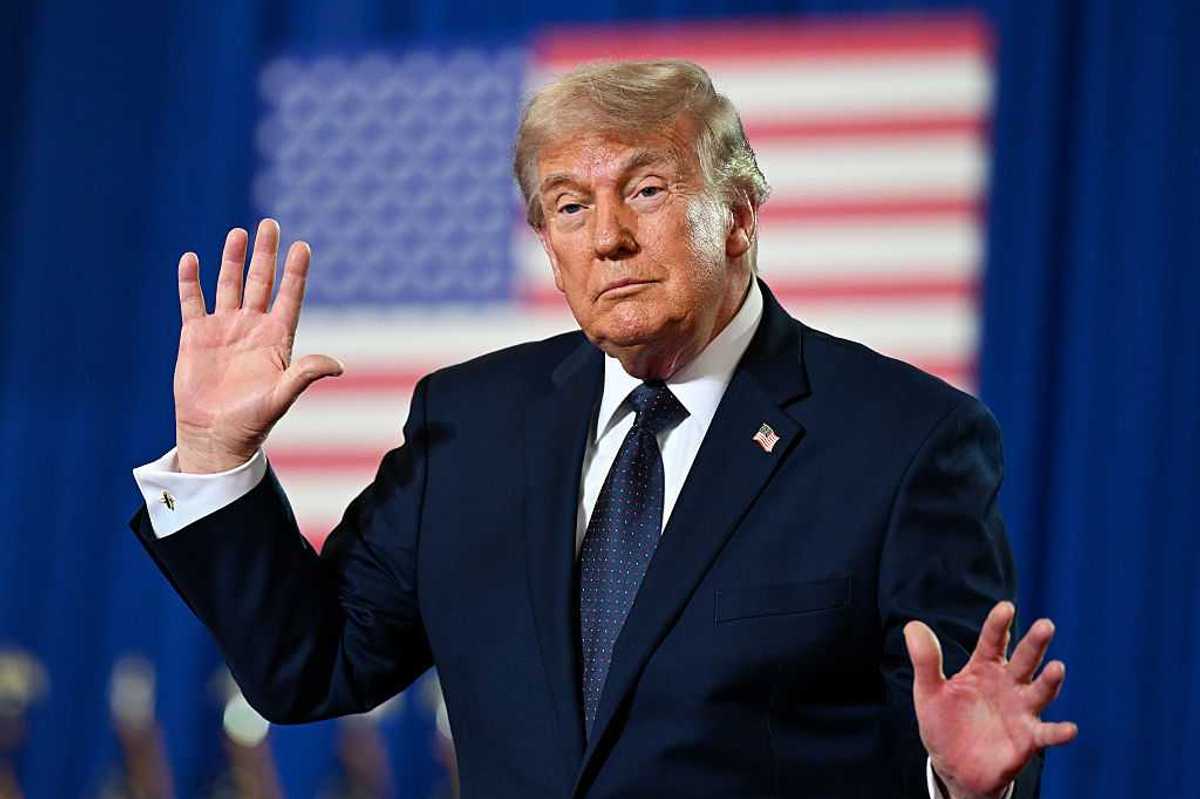
Trump allies eye top election jobs in battleground states

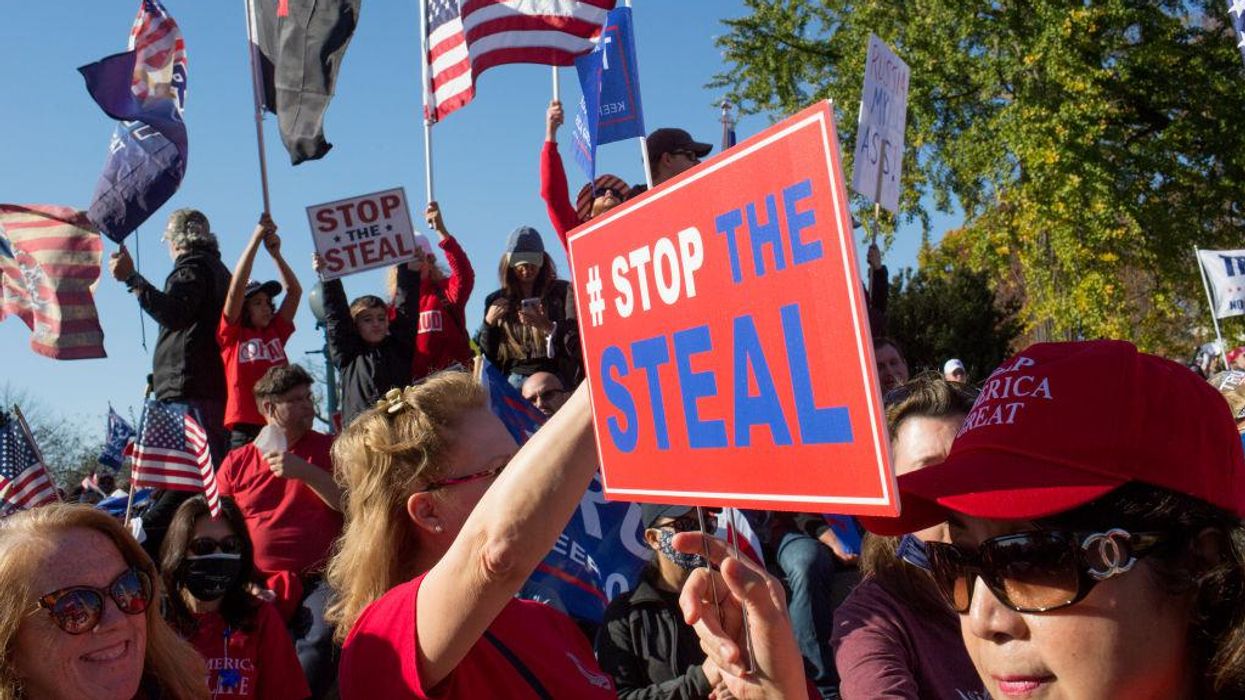
Pro-Trump protestors

Trump supporters who attempted to overturn the 2020 election results are now seeking influential election oversight roles in battleground states.

Andrew Lichtenstein/Getty Images

Secretary of state elections are not usually top of mind for voters, but that could change next year.

Republicans who have called the legitimacy of the 2020 election into question or sought to overturn the results are already eyeing secretary of state campaigns in key states. Twenty-six states will hold contests for their top election official during the 2022 election cycle.

The campaigns of these pro-Trump conservatives threaten to continue the spread of misinformation and conspiracy theories about election fraud, of which there was no widespread evidence. And if elected, they could wield a huge amount of power over the 2024 presidential race.


The duties and responsibilities of the secretary of state vary across the country. But typically, the position manages how elections are conducted and oversees maintenance of voter rolls. In some jurisdictions, county clerks and other local officials also play important roles in administering elections.

A handful of conservatives have already thrown their hats into the ring for secretary of state in potential battlegrounds, Politico first reported.

  • Rep. Jody Hice of Georgia, who voted against certifying the election results, is running against incumbent and fellow Republican Brad Raffensberger, who has defended his management of the 2020 election.
  • Jim Marchant, who sued unsuccessfully to overturn his failed bid for Nevada's 4th congressional district, is now campaigning for secretary of state. Republican Barbara Cegavske currently holds the position and is under fire from the party for her management of last year's election.
  • In Michigan, Kristina Karamo is running for secretary of state after falsely claiming Trump won and repeatedly challenging the election results when she served as a poll watcher in Detroit. Democrat Jocelyn Benson currently holds this position.
  • And Arizona state Rep. Mark Finchem, one of the biggest proponents of the controversial election audit in Maricopa County, is vying for the top election official spot currently held by Democrat Katie Hobbs.

Last week, Hobbs advised Maricopa, the most populous county in Arizona, to replace all the voting machines involved in the audit conducted by Cyber Ninjas, a private contractor. Republicans in the state Senate ordered the recount of more than 2 million ballots in an effort to subvert the 2020 election results.

"I have grave concerns regarding the security and integrity of these machines, given that the chain of custody, a critical security tenet, has been compromised and election officials do not know what was done to the machines while under Cyber Ninjas' control," Hobbs wrote in a letter to the Maricopa County Board of Supervisors.

Now, there is growing momentum from Trump supporters to replicate Arizona's election audit in other parts of the country. A judge in Georgia recently approved an audit of Fulton County's 147,000 mail-in ballots. This follows three separate state-run election audits, including a hand recount, all of which found no evidence of voter fraud.

A CNN survey conducted at the end of April found that five months after the election, nearly two-thirds of voters who lean Republican still believe that Joe Biden did not legitimately win enough votes to win the presidency.
Read More

The Democracy for All Project

The Democracy for All Project

American democracy faces growing polarization and extremism, disinformation is sowing chaos and distrust of election results, and public discourse has become increasingly toxic. According to most rankings, America is no longer considered a full democracy. Many experts now believe American democracy is becoming more autocratic than democratic. What does the American public think of these developments? As Keith Melville and I have noted, existing research has little to say about the deeper causes of these trends and how they are experienced across partisan and cultural divides. The Democracy for All Project, a new partnership of the Kettering Foundation and Gallup Inc., is an annual survey and research initiative designed to address that gap by gaining a comprehensive understanding of how citizens are experiencing democracy and identifying opportunities to achieve a democracy that works for everyone.

A Nuanced Exploration of Democracy and Its Challenges

Keep ReadingShow less
America Is Not a Place, It’s an Epic Road Trip
empty curved road
Photo by Holden Baxter on Unsplash

America Is Not a Place, It’s an Epic Road Trip

Despite its size, Afghanistan has only a single highway running through it. It’s called National Highway 1, or Ring Road, and I spent a little time on it myself years ago. It has no major intersections, not really. Just 1,400 miles of dusty road that cuts through mountains and across minefields to connect small towns and ancient cities.

Over many decades, America helped build and rebuild Ring Road to support free trade and free movement throughout the country.

Keep ReadingShow less
A “Bad Time” To Be Latino in America

person handcuffed, statue of liberty

AI generated

A “Bad Time” To Be Latino in America

A new Pew Research Center survey reveals that most Latinos in the United States disapprove of President Donald Trump’s handling of immigration and the economy during his second term, underscoring growing pessimism within one of the nation’s fastest-growing demographic groups. Conducted in October, the survey highlights widespread concerns about deportation efforts, financial insecurity, and the broader impact of Trump’s policies on Hispanic communities.

Key Findings from the Pew Survey
  • 65% disapprove of Trump’s immigration policies, citing heightened deportation efforts and increased immigration enforcement in local communities.
  • About four-in-five Latinos say Trump’s policies harm Hispanics, a higher share than during his first term.
  • 61% of Latinos believe Trump’s economic policies have worsened conditions, with nearly half reporting struggles to pay for food, housing, or medical expenses in the past year.
  • 68% feel their overall situation has declined in the past year, marking one of the bleakest assessments in nearly two decades of Pew surveys.

Immigration Enforcement and Fear of Deportation

The study found that about half of Latinos worry they or someone close to them might be deported, reflecting heightened anxiety amid intensified immigration raids and arrests. Many respondents reported that enforcement actions had occurred in their local areas within the past six months. This fear has contributed to a sense of vulnerability, particularly among mixed-status families where U.S. citizens live alongside undocumented relatives.

Keep ReadingShow less