I’ve written many columns in the Fulcrum over the years about the power of the arts to shape life in America.
In November of 2023, I wrote a column entitled “Luke Combs: The healing power of “The Great Divide” about “The Great Divide,” Luke Combs' song written by Naomi Judd, Paul Overstreet, and John Barlow Jarvis. I was moved by the tremendous response I received, and that article is still one of The Fulcrum’s most-read posts.
The lyrics are as powerful today as they were over two years ago:
Love can build a bridge between your heart and mine. Love can build a bridge Don't you think it's time? Don't you think it's time?
Yet perhaps my euphoria was misplaced, as our nation seems more divided than ever a year and a half later, and I am disheartened that Combs has not spoken out more. Could more music stars step forward in this time of great divide in America?
Despite this division, artists are still trying to add their voices to celebrating unity and common ground, and we’ve seen similar moments.
Jon Batiste’s “World Music Radio” project, is a powerful message of shared humanity, and has been celebrated as a unifying cultural statement. Brandi Carlile has continued to use her concerts to emphasize empathy and bridge-building, often inviting diverse voices on stage to highlight common ground. Common, the rapper and activist, has leaned into spoken-word performances and community initiatives that stress reconciliation and healing across divides.
These artists remind us that unity doesn’t always come from political endorsements—it can come from the art itself, from the shared experience of music and storytelling.
And it is not just music, but in the visual arts, artists remain at the forefront of political and social discourse, using their work as both a mirror and a megaphone for our times. The My Modern Met feature from December 2025 underscores how creators across diverse backgrounds are not shying away from difficult conversations. Instead, they are embracing art as a universal language of empathy and visibility, helping raise awareness of issues that might otherwise be ignored.
Throughout 2025, projects like Guillermo Bert’s Warriors, which honor Latino workers through monumental sculptures, and Anila Quayyum Agha’s immersive light installations that reflect on gender discrimination, demonstrate how art can be both deeply personal and profoundly political. Exhibitions such as Superfine: Tailoring Black Style at The Met highlight how fashion itself becomes a vehicle for cultural identity and resistance. These works remind us that art is not just aesthetic—it is activism, storytelling, and bridge-building. Whether through murals celebrating community resilience, fiber portraits honoring BIPOC identity, or paintings interrogating post-colonial heritage, artists continue to stand up, take space, and invite society into their inner worlds.
In this way, the role of artists today echoes the spirit of Luke Combs and Tracy Chapman’s Grammy duet that I wrote about a year and a half ago. Rather than overtly endorsing candidates, they use their platforms to heal divides, amplify marginalized voices, and foster understanding. Their courage in putting themselves at the forefront, whether through visibility or introspection, reinforces the idea that art remains one of the most powerful tools we have to confront division and nurture unity.
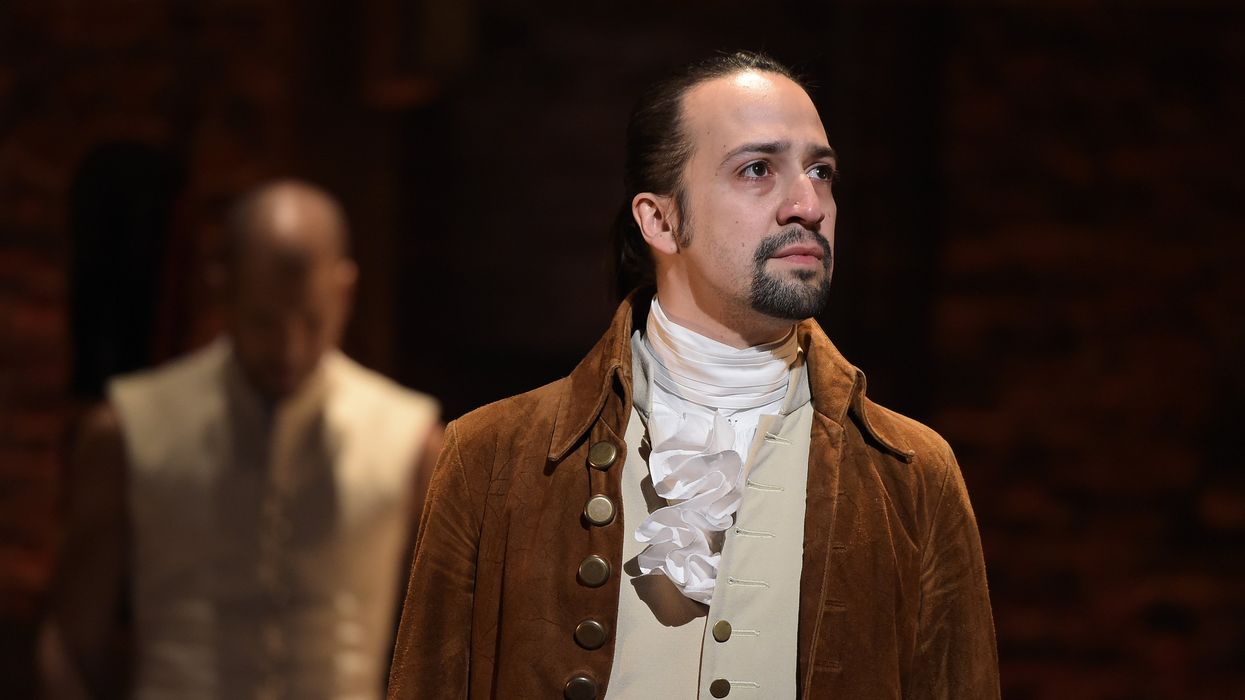
Back in 2019, at the Bridge Alliance summit, I wrote about how we used Hamilton to frame our conversations on strengthening democracy. Songs like "My Shot" and "The Room Where It Happens" embodied the urgency of our times and the empowerment to act. I was heartened this summer to learn that the same spirit resonates today in the 10th-anniversary celebrations of Hamilton, reminding us that Hamilton is more than entertainment—it is a cultural touchstone for pluralism and civic renewal.
This 10th-anniversary celebration ofHamilton on Broadway was a milestone as Disney re-released the filmed original cast performance in theaters, allowing audiences to relive the energy that first electrified the nation in 2015. In interviews, Lin-Manuel Miranda reflected on the show’s enduring relevance, noting that the struggles over democracy, diversity, and belonging are not new; they echo debates from the founding era.
As I wrote in 2021, “We were all in The Room Where It Happened, a room where we felt the energy and collectively understood that we are a diverse nation and to thrive as a people we must provide room for more diverse perspectives.” Ten years on, Hamilton continues to provide that room, inviting Americans of all backgrounds to see themselves in the nation’s story and to embrace diversity as the operating system of our democracy.
Just as the Grammy duet of Tracy Chapman and Luke Combs reminded us of music’s power to transcend politics and heal divides, the tenth anniversary of Hamilton underscores how art itself invites us to reimagine democracy through story, song, and shared experience.
Just as that Grammy duet of Tracy Chapman and Luke Combs reminded us of music’s power to transcend politics and heal divides, the tenth anniversary of Hamilton underscores how art itself invites us to reimagine democracy through story, song, and shared experience.
And while our politics may feel even more fractured today, I take heart in the artists who continue to remind us of our shared humanity. Whether it’s Jon Batiste blending global sounds into a call for unity, Brandi Carlile lifting diverse voices on her stage, or Common using his art to spark reconciliation, these moments continue…and they matter.
They remind us that healing doesn’t always come from speeches or campaigns. Sometimes it comes from a song, a story, or a performance that makes us feel seen together.
At the Fulcrum, we believe in the power of dialogue, and in the power of culture to soften hearts and open minds. If love can build a bridge, then art can be the path across it. I hope that we keep listening, not just to the music, but to each other, and that we remember the first step toward healing our nation’s divide begins with you and me.
David Nevins is the publisher of The Fulcrum and co-founder and board chairman of the Bridge Alliance Education Fund.
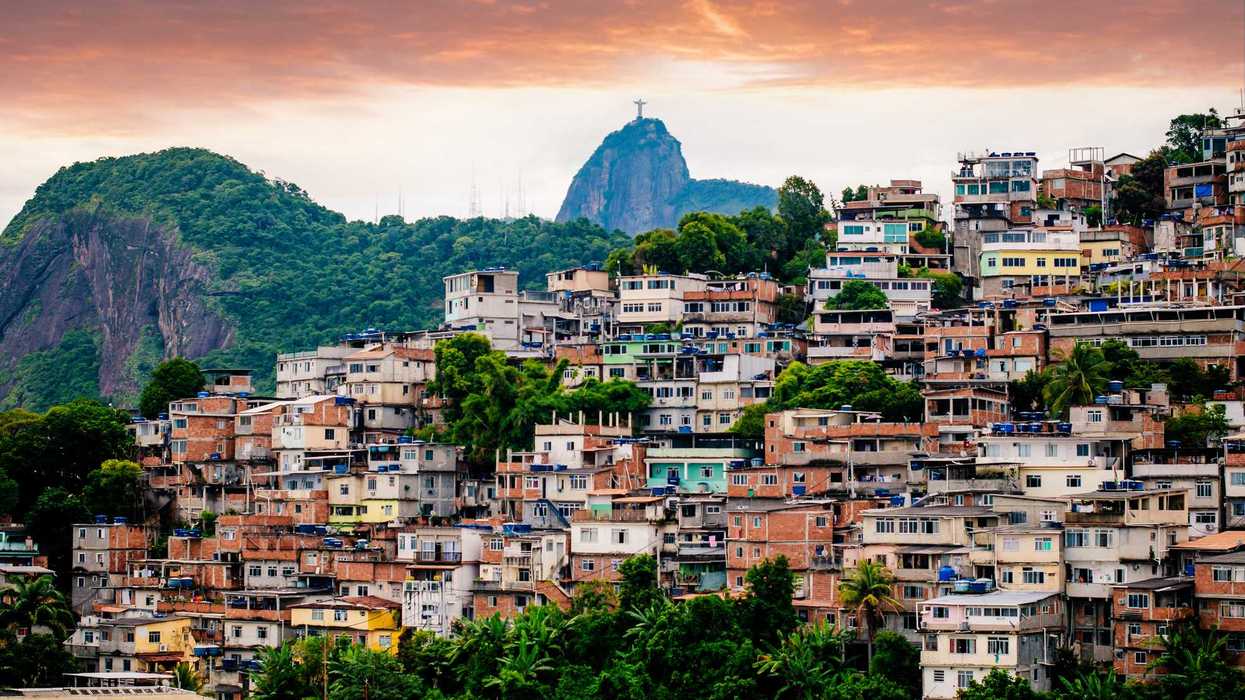
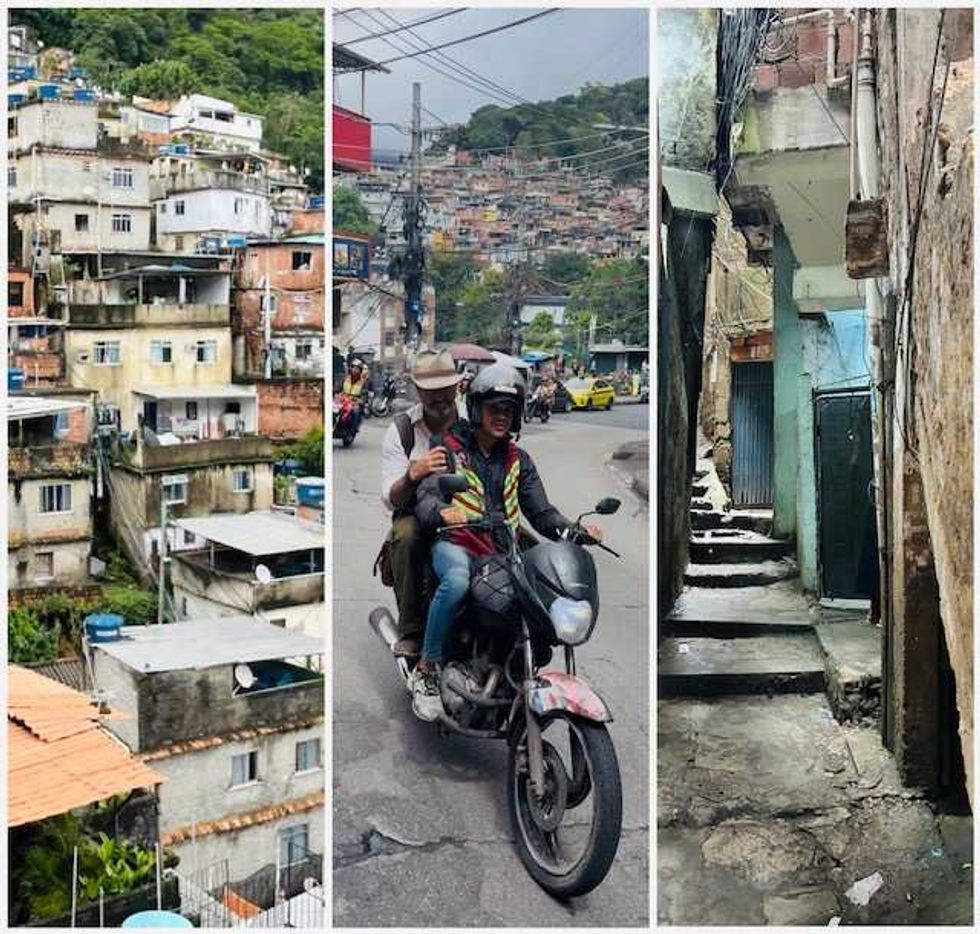 Scenes from Favela Rocinha, Brazil - (R-L) Rows of brick homes, Hugo Balta on a motorcycle taxi, and steep, winding roadsHugo Balta





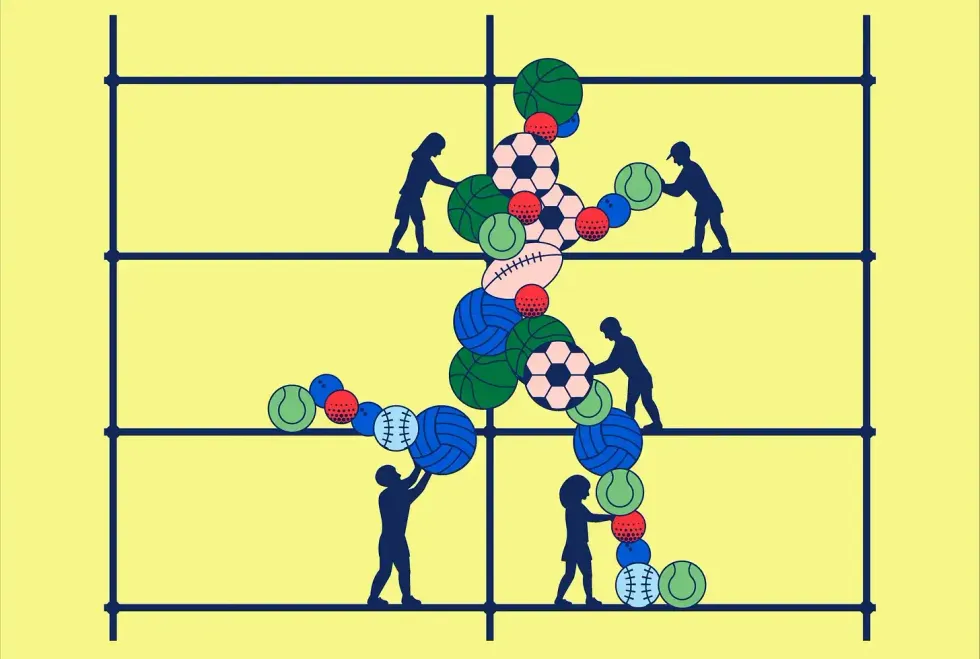 Following our HWF Civic Futures kickoff last week with Eric Liu, our design partners at Public/Official have created a unique visual to capture the “civic scaffolding” spirit of this conversation.
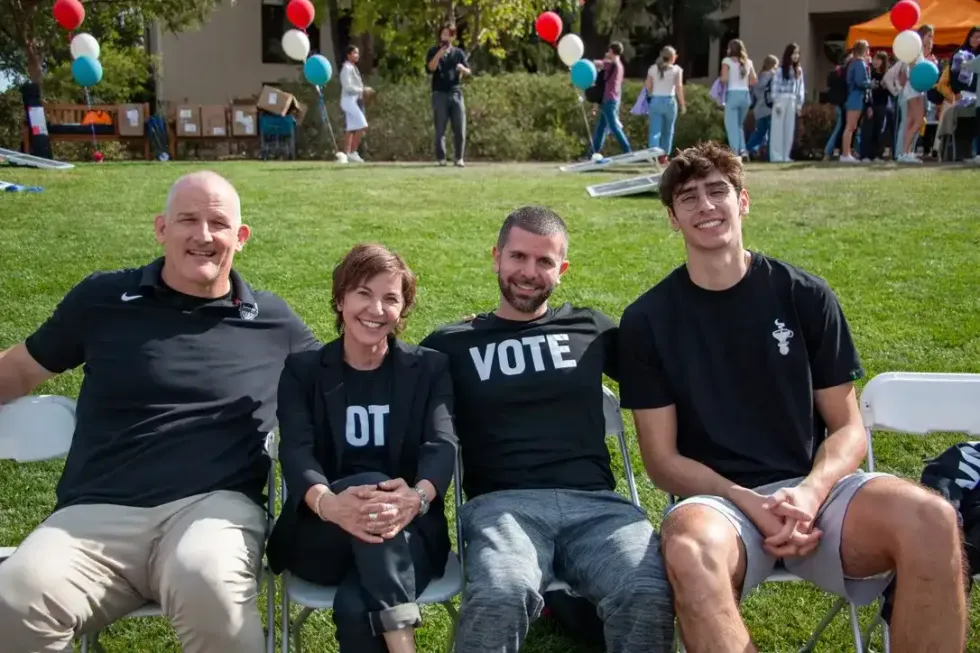 Lisa, Coaches Rev and Matt Elkin, and former Stanford Men’s Basketball star Maxime Raynaud at Stanford’s “All Vote No Play” Democracy Day, 2025