



Crime rates continued to fall in 2025, with homicides down 21% from 2024 and 44% since a recent peak in 2021, likely bringing the national homicide rate to its lowest level in more than a century, according to a recent Council on Criminal Justice analysis of crime trends in 40 large U.S. cities.
The study examined patterns for 13 crime types in cities that have consistently published monthly data over the past eight years, analyzing violent crime, property crime, and drug offenses with data through December 2025.
The report found:
- Reported levels of 11 of 13 offenses were lower in 2025 than in 2024, with nine offenses declining 10% or more. Drug offenses were the only category that rose during this period, while sexual assault remained even.
- Looking at trends over a longer period, only reported motor vehicle theft and non-residential burglary remained elevated compared with 2019 levels, before the onset of the COVID-19 pandemic and nationwide social justice protests of 2020.
- Two crimes that captured significant public attention during the pandemic era—carjacking and shoplifting—have receded from their peaks. Reported carjacking has declined 61% since 2023, while reported shoplifting is down 10% from 2024.
When nationwide data for jurisdictions of all sizes is reported by the FBI later this year, there is a strong possibility that homicide in 2025 will drop to about 4.0 per 100,000 residents. That would be the lowest rate recorded in law enforcement or public health data going back to 1900—and would mark the largest single-year percentage drop in the homicide rate on record.
While the downward trajectory of crime is clear, it’s extremely difficult to disentangle and pinpoint what’s actually driving the drop, said CCJ President and CEO Adam Gelb. “As a result, we have a battle of sound bites and abundant claims of credit but scarce evidence to back them up.”
To help inform this debate, the Council released a supplemental assessment featuring perspectives from leading experts on the primary drivers of the recent decline, specifically in homicides. Last week, CCJ also held a webinar with several of these experts to dive in further.
Here’s what they emphasized.
- No Single Cause. Researchers and practitioners broadly agreed there’s no single explanation for the decline. Instead, it reflects multiple forces moving in the same direction, from prevention efforts and law enforcement strategies to broader social changes following the pandemic shock.
- Community investment and prevention. Several experts pointed to increased investment in violence intervention and prevention programs that engage at-risk groups, as well as federal funding that helped stabilize local governments and bolster police forces during a period of extreme disruption.
- Changes in criminal justice practice. Many cities sharpened their focus on the small number of neighborhoods and repeat offenders driving violence, improved shooting investigations and clearance rates, and worked through court backlogs that built up during the pandemic.
- Broader social and behavioral trends. As the pandemic disruptions faded, daily routines normalized. More people returned to work, school, and public spaces, increasing "eyes on the street" and reducing opportunities for violence to escalate unchecked.
Now the question on everyone’s mind is what comes next. Will crime rates continue to fall in 2026? Some of the experts CCJ spoke with expect further declines, while others warn that the end of federal funding could slow progress.
The administration’s immigration enforcement operations are a big unknown. It could deter crime, but it could also erode trust in police, making it harder to work with communities to reduce violence.
The Council on Criminal Justice will continue to monitor these crime trends in American cities, so that these critical debates are grounded in facts and evidence, not partisan soundbites.
Ernesto Lopez is a senior research specialist at the Council on Criminal Justice.



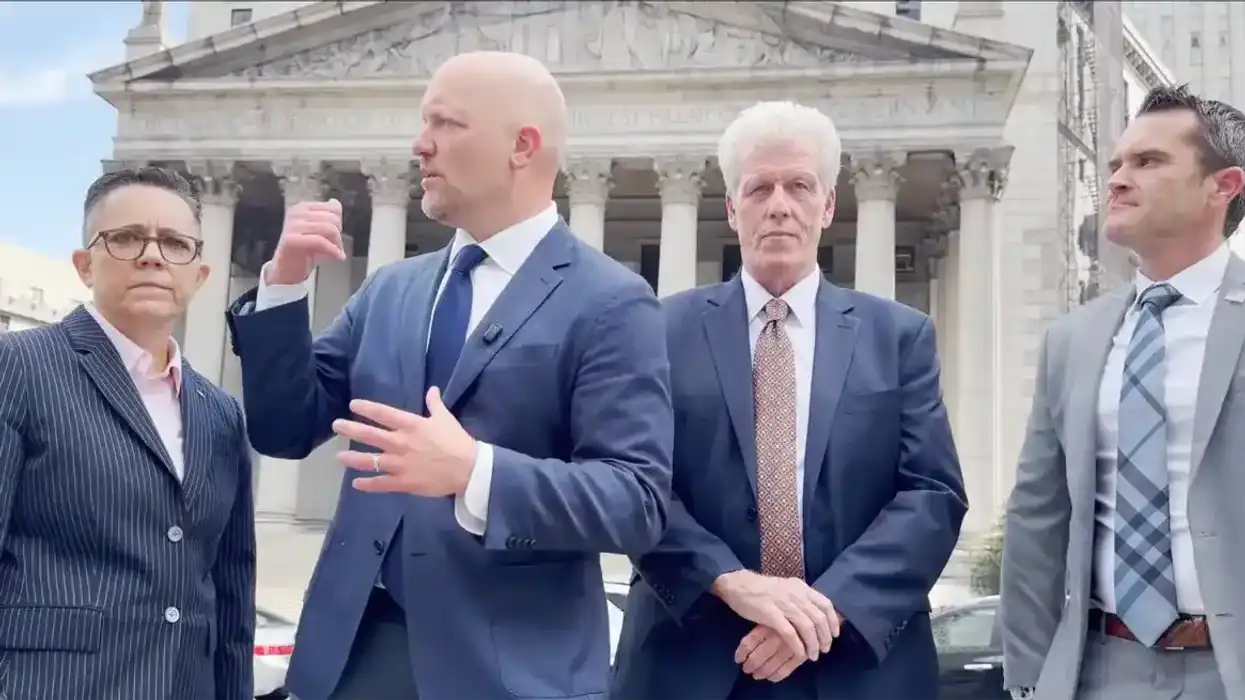







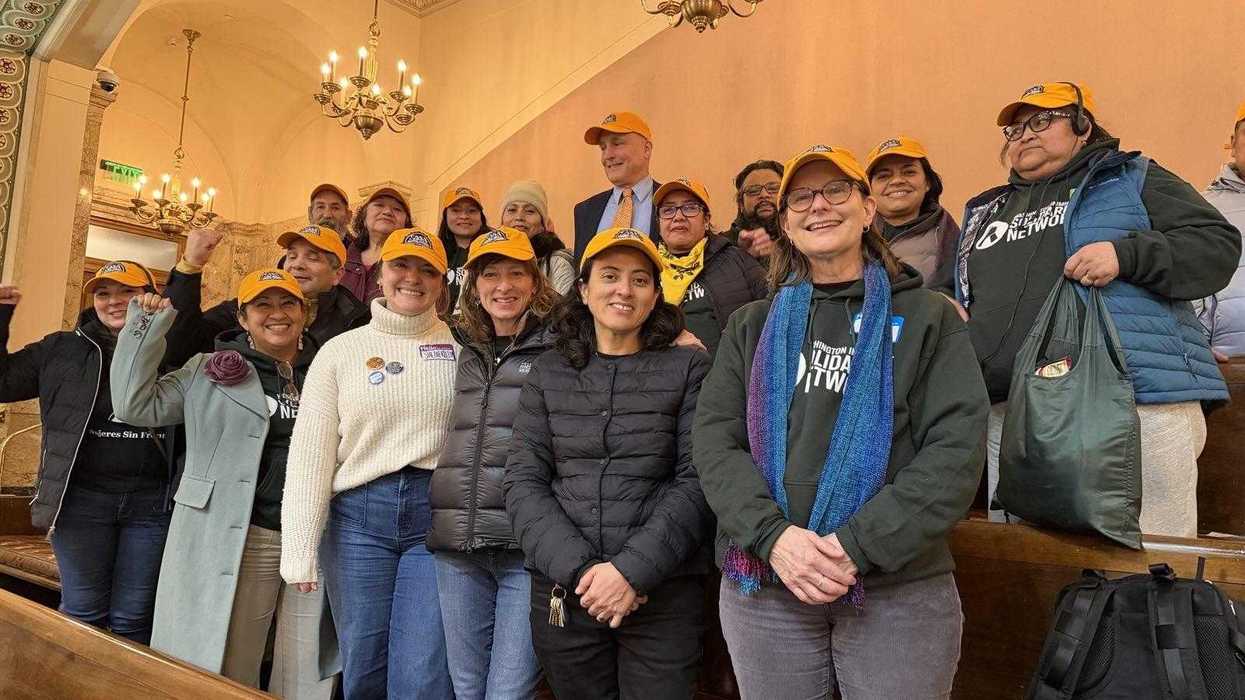
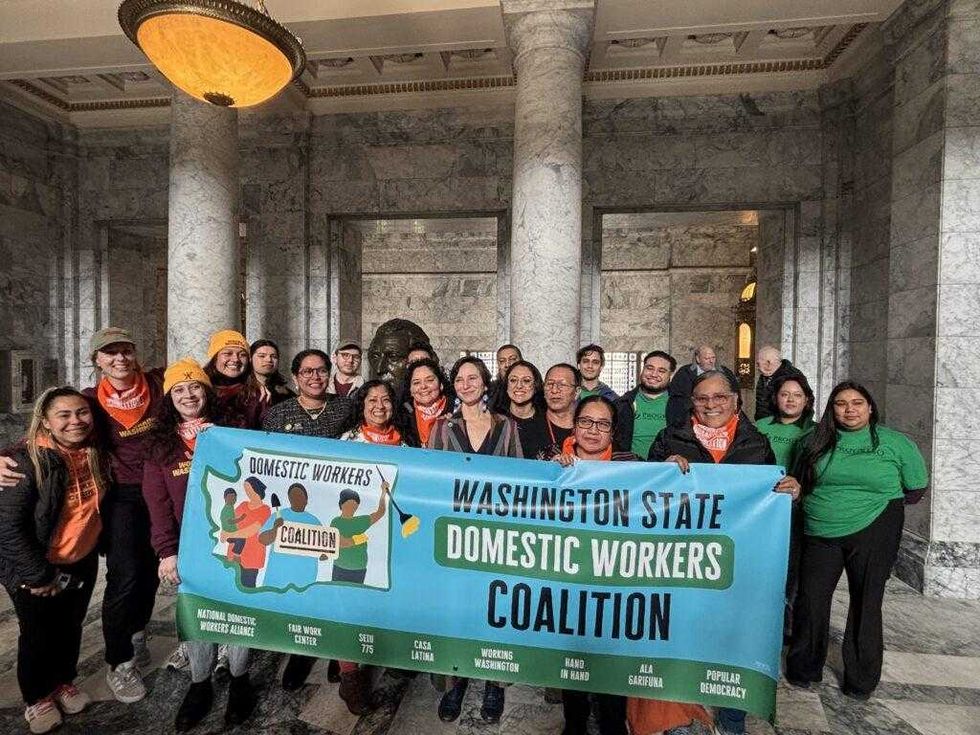 State Sen. Rebecca Saldaña, center, stands with members of the Washington State Domestic Workers Coalition at the state Capitol on Feb. 28, 2026. The Domestic Workers Bill of Rights passed in the House that day, before being signed into law in March. (Photo courtesy of Casa Latina)

The President Invited Iran to Bomb My Home