
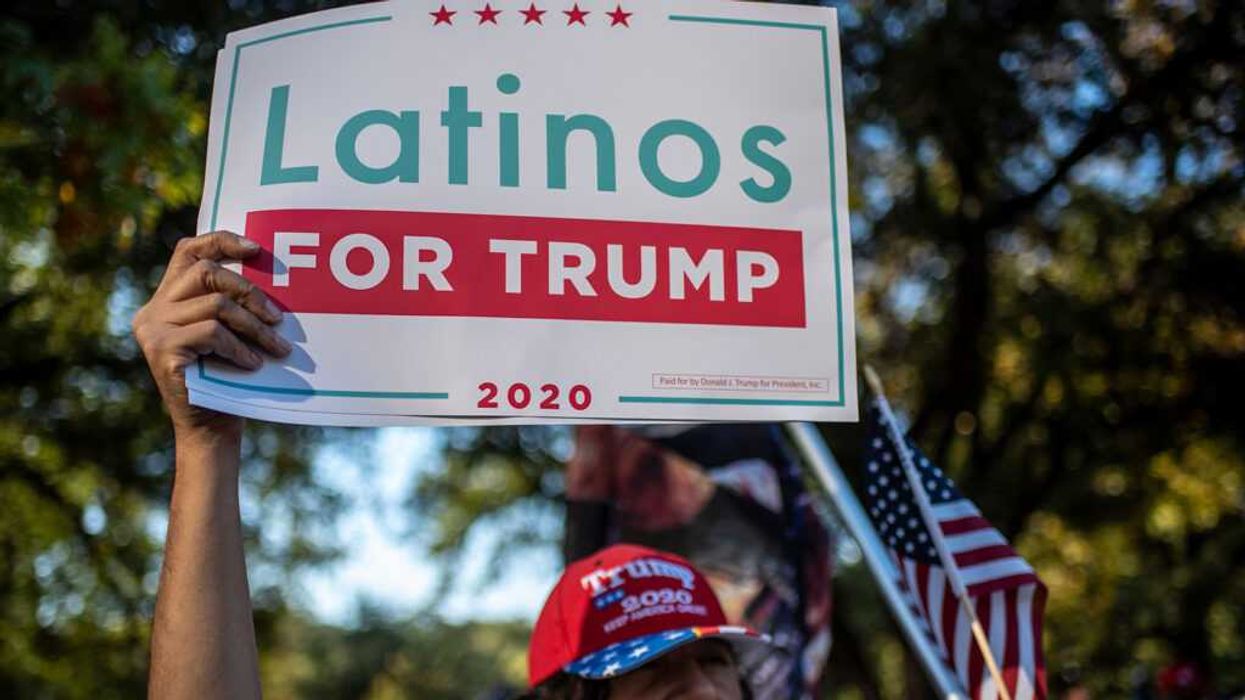

For generations, foreign policy eggheads debated the question, “Who lost China?” I’m wondering if election analysts might soon ask, “Who lost the Latinos?”
Almost exactly one year ago, President Trump won an impressive election victory. It wasn’t the landslide his boosters claim, but it was decisive. And Trump’s record-breaking success with Latino voters played a crucial part.
In 2020, Joe Biden won Hispanics by nearly 2-to-1 (61 percent to 36 percent). Four years later, Trump nearly tied Vice President Kamala Harris for the Latino vote (Harris 51 percent, Trump 48 percent). He won Hispanic men by 10 points (54-44) — a 33-point swing in his favor from 2020, according to Edison Research. Along with an impressive showing with black men, the results led many Republicans to claim the GOP was reborn. “The Republican Party is now a multiethnic, multiracial coalition of hard-working Americans who love their country,” then-Sen. Marco Rubio proclaimed.
Here’s how Trump put it in his victory speech: “They came from … all quarters. Union, nonunion, African American, Hispanic American, Asian American, Arab American, Muslim American, we had everybody, and it was beautiful. It was a historic realignment. Uniting citizens of all backgrounds around a common core of common sense. You know, we’re the party of common sense.”
In typical fashion, Trump overstated things (Harris won 8 in 10 black votes and roughly 6 in 10 Asian votes, and union voters broke narrowly for Harris). Still, Trump had every reason to celebrate. Republicans have wanted to gain traction with Hispanic and black voters for decades, and Trump made serious inroads.
According to every poll, the overriding priority for Latino voters was the economy. COVID-19 and inflation hit working-class Latinos very hard, and nostalgia for the pre-pandemic Trump economy ran high. Trump’s immigration rhetoric focused on deporting criminal gangs and shutting down the border, which Latinos saw as common sense.
The Trump campaign’s most effective ad was a video of Harris vowing to support taxpayer-funded transgender surgeries for prison inmates and illegal immigrants in federal detention. The tagline: “She’s for they/them. President Trump is for you.”
The ad was controversial for being “anti-trans,” but that wasn’t its appeal. It was the message that Harris cared too much about boutique ideological activist causes, not the “common sense” concerns of regular voters.
Fast forward one year, and Latinos are in a very different place than they hoped. For the first time, a majority of Latinos (65 percent) say it’s a “ bad time” to be Latino in America (though only 38 percent of Republican Latinos agree). Slightly more than half say they fear for their physical safety and believe that all Latinos — regardless of citizenship status — are targets of Trump’s deportation efforts.
In the recent off-year elections, Latinos swung massively back toward Democrats, more than erasing GOP gains a year ago. It’s worth noting that these voters still said that their top concern was the economy, not Trump’s immigration policies. Though one does wonder how many voters, worried about being wrongly detained, didn’t risk showing up at the polls.
In the modern era, the single biggest mistake political parties make is overreading the election returns. The Trump-led GOP is particularly guilty. Every time Trump does something outrageous, self-indulgent, or just weird, his biggest fans declare, “I voted for this.”
That may be true for them, but it’s not true for the majority-making swing voters who took a flier on Trump based on economic concerns or frustration with Democrats. When a Latino truck driver sees video of a Latino teacher arrested at a daycare, it doesn’t take a genius to understand he’s probably not saying, “This is what I voted for.” Ditto the endless pardons of crooked cronies, the surprise demolition of the East Wing, or the tariff-driven chaos working its way through the economy.
Trump’s pride in the diversity of his coalition was understandable, but it didn’t account for the fact his coalition was diverse in its reasons for voting for him. Not every Trump voter is a MAGA diehard. The “I voted for this” crowd isn’t a majority. The rest increasingly feel like he’s for him not us — which is why Trump’s approval rating is in “free fall.”
The Trump-pushed redistricting effort in Texas was based on the idea that working-class Latinos were as locked-in for Trump as the billionaire attendees of his Great Gatsby party at Mar-a-Lago. If current trends continue — still a big if — Democrats could gain Texas seats in the midterms. One in 5 Texas Latinos who voted for Trump say they regret it.
The debate over “Who lost the Latinos?” is looming on the horizon, though it won’t be hard to answer.
Jonah Goldberg is editor-in-chief of The Dispatch and the host of The Remnant podcast. His Twitter handle is @JonahDispatch.










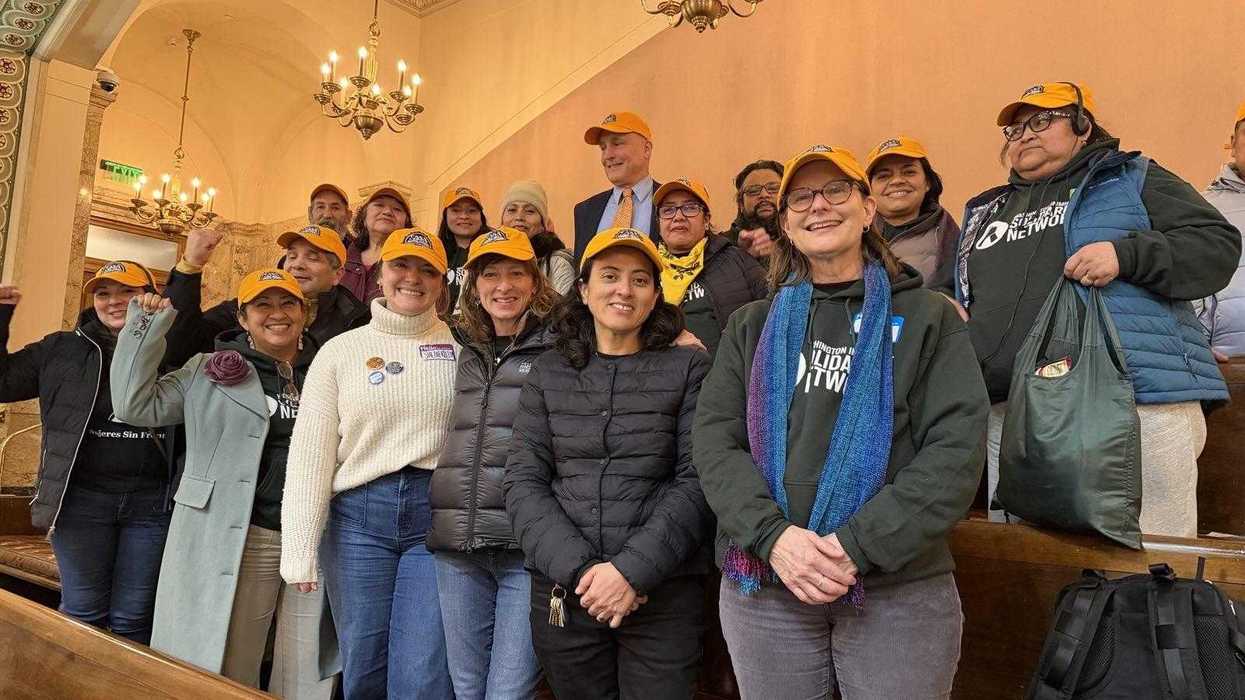
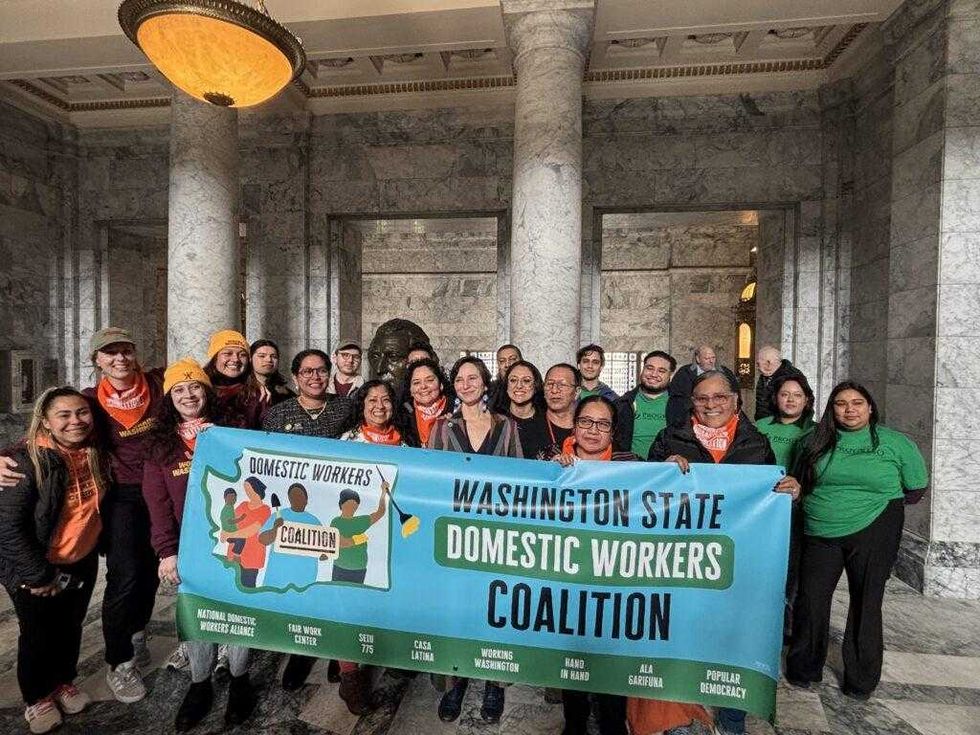 State Sen. Rebecca Saldaña, center, stands with members of the Washington State Domestic Workers Coalition at the state Capitol on Feb. 28, 2026. The Domestic Workers Bill of Rights passed in the House that day, before being signed into law in March. (Photo courtesy of Casa Latina)