Skip to content
Search

Latest Stories

Follow Us:
Top Stories

Podcast: Where do the parties go from here?

Podcast: Where do the parties go from here?

A few days after the midterms, a Substack post from Dave Karpf caught the eye of the Democracy Works podcast team. Karpf takes up the question of how the Republican and Democratic parties should move forward after the election. The conversation covers party networks, Karpf's lessons from environmental organizing, and how to craft political messages in a changing social media environment.

Karpf is an associate professor in the School of Media and Public Affairs at the George Washington University. His work focuses on strategic communication practices of political associations in America, with a particular interest in Internet-related strategies.

https://open.spotify.com


Read More

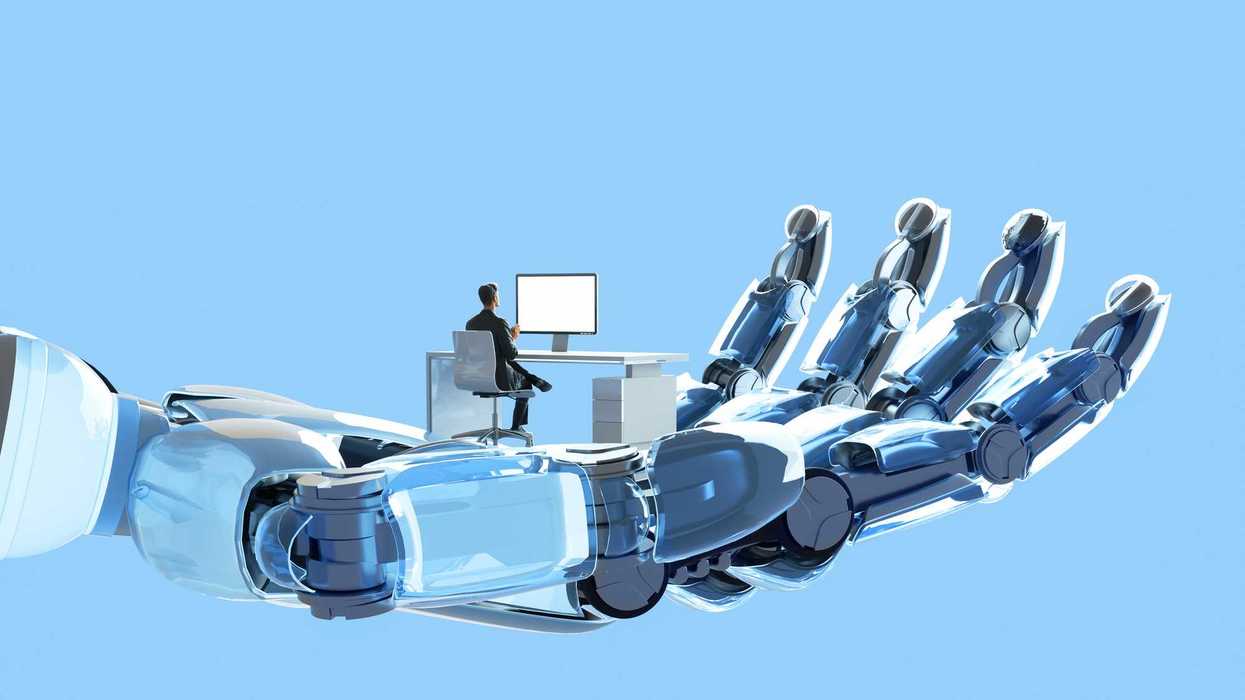
An illustration with the words, "AI," in the middle - Icons on a computer, robot, lock, and a car are around

AI is unpopular yet widely used. Explore how citizen-led “crackpot schemes” could shape AI policy, protect jobs, strengthen democracy, and maximize AI’s benefits while reducing its risks.

Andriy Onufriyenko / Getty Images

In Defense of “Crackpot Schemes” for AI Governance

AI is unpopular. And nearly a billion people use ChatGPT.

AI is destroying jobs. And fields predicted to have been eliminated by AI, like radiology, continue to grow and leverage the technology to improve their work.

Keep ReadingShow less
Welcome to Trump’s lame duck presidency

President Donald Trump speaks to the press in the Oval Office of the White House in Washington, D.C., on June 3, 2026.

(Mandel NGAN/AFP via Getty Images/TCA)

Welcome to Trump’s lame duck presidency

It's been a while since we saw a lame duck presidency — long enough in politics to maybe forget what one looks like.

In October 2014, President Barack Obama hit his lowest approval rating yet at 40%. The midterm elections were an absolute bloodbath for Democrats — Republicans expanded their majority in the House by 13 seats and took control of the Senate with a gain of nine seats.

Keep ReadingShow less
​Reporters and members of the media raise their hand to ask a question to U.S. President Donald Trump.

Reporters and members of the media raise their hand to ask a question to U.S. President Donald Trump during a press conference in the Brady Briefing Room of the White House on April 25, 2026 in Washington, DC.

Al Drago / Getty Images

Trump’s 15 Attacks on Press Freedom Mark an Unprecedented Crisis

“Freedom of conscience, of education, of speech, of assembly are among the very fundamentals of democracy, and all of them would be nullified should freedom of the press ever be successfully challenged.” – Franklin D. Roosevelt, 32nd U.S. President

Throughout America’s 250 years, the tension between the White House and the press is as old as the republic itself. Several presidents haven’t necessarily tried to repeal the First Amendment (which protects the press), per se, or the Fifth Amendment (which protects journalists’ confidential sources). Instead, some have tried to control the narrative and limit press access.

Keep ReadingShow less