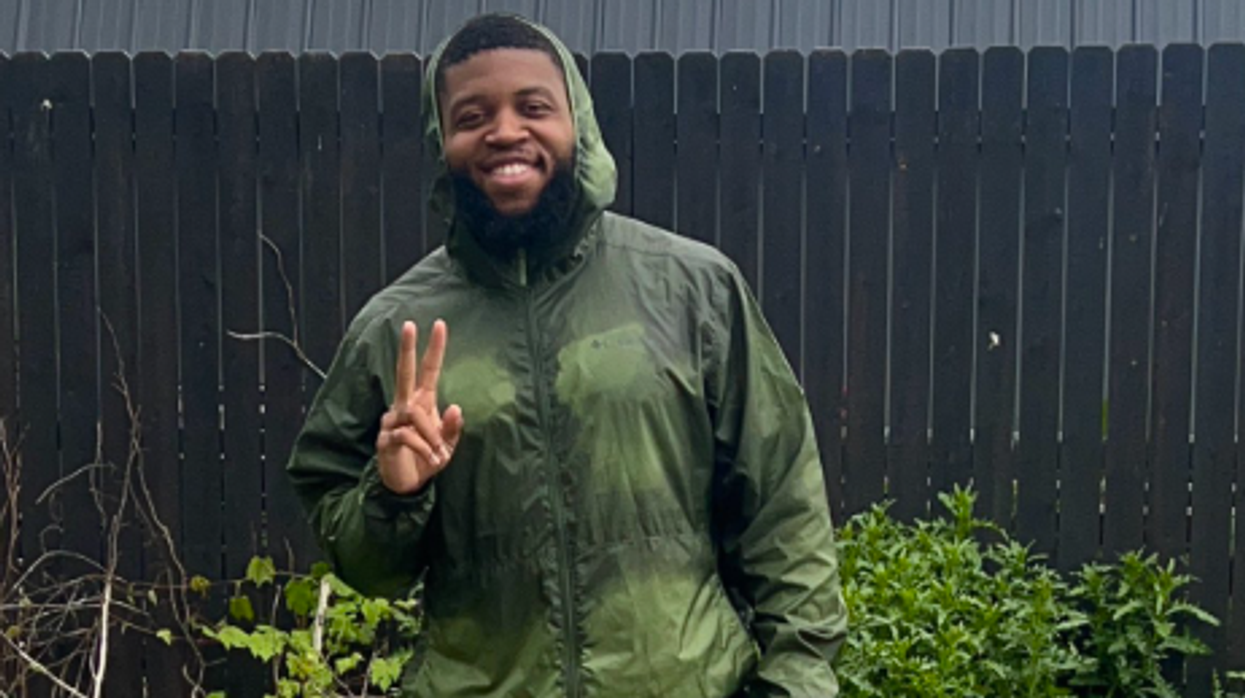
Dayton Democracy Fellow Jamaal Durr realized as early as five or six that he wanted to go beyond crayons and coloring books. He soon began to create and color his own characters. With the encouragement of the adults in his life, he continued focusing on art through high school in Dayton and the Pratt Institute in Brooklyn, New York, where he entered what he calls the “art adjacent” field of architecture.
But he didn’t want art to be adjacent to his life. He wanted it to be central.
While working at Miami Valley Hospital, Durr decided to make art his profession. He kept his day job, tended to his family in the early evening, and created art from 10:00 p.m. to 2:00 a.m. But it still wasn’t enough.
In June of 2020 he decided to become an artist full-time, which he called, “jumping off the cliff.” The journey has been an introspective one. Art helps him explore identity, manhood, and fatherhood, he said. “If I can better define who I am, then I can better define my relationship to the world around me, and that will allow me to better serve the world around me.” He developed a compelling portfolio. He used his preferred media—oil, charcoal, or graphite—in his creations. “I’m a very patient, methodical worker. The slow drying times of oil paint allowed me to really take my time,” Durr said.
His patience has paid off. Durr has had shows in Chicago, Miami, Atlanta, and Los Angeles, among other cities. When he isn’t on the road, he is working in the community. As a museum artist educator at the Dayton Art Institute, he uses art to awaken the creativity of adults during workshops on weekends and reach children through a program called Black Boy Brilliance (boys and girls of all races are welcome to participate). Working with children came about through a partnership between the Dayton Art Institute and Preschool Promise, a nonprofit that supports kindergarten readiness and reading proficiency by third grade.
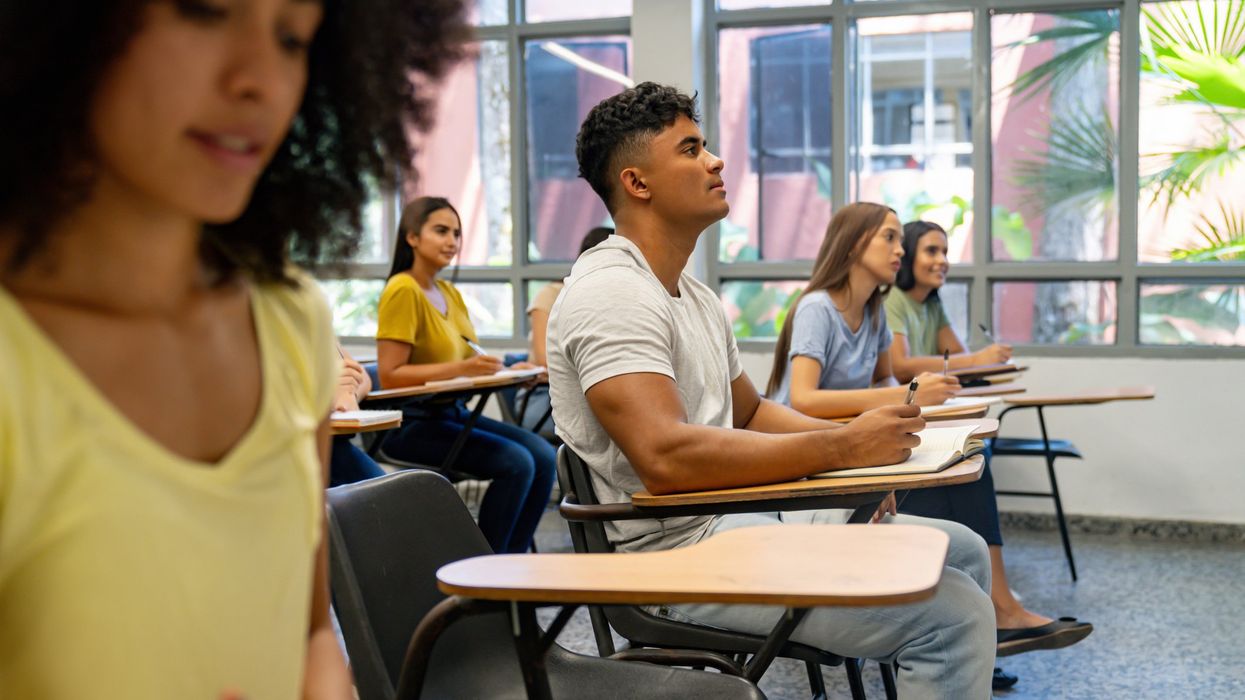
Much of Durr’s teaching takes place in diverse classrooms and helps children develop social-emotional learning skills. He often ties art projects to a book of the month they are reading in classrooms. Some children are nonverbal and occasionally withdrawn or agitated, but through art they learn positive self-expression and how to self-soothe. “I just let them explore,” he said. “It’s super inspiring. With the preschool kids, it doesn’t matter how I’m feeling when I walk into those classrooms, I feel amazing when I leave.”
He is so busy now that he has to set aside time to pursue projects, reminding himself that his art, his vision, is what makes the rest of his life possible. And it has made him think about how and what art contributes to democracy. He’s concerned about efforts to ban art. The often-skewed nature of news reporting makes him rely on visual works to convey his thoughts.
“Art feels like a very powerful weapon because of the greater levels of difficulty that one would have to go through to try to skew or disprove what is put out there visually. When you see an image that evokes a visceral response, it’s tough to dispute. If it’s imagery that you disagree with you can certainly look away or even try to bury it, but you won’t forget how it made you feel,” Durr said.
It matches the transition he is beginning to make with his art. “I’m ready to make art that speaks to something greater than just my individual journey,” he said. “I’m really excited to step into this kind of role and speak for more people. I like that people are able to resonate with the work that I have been doing or, see themselves in it, or even hear themselves in the narrative,” he said.
This article was originally published as part of a series of articles about the Charles F. Kettering Foundation’s Dayton Democracy Fellows, a program that supports innovative leaders, changemakers, and dreamers who are building movements for inclusive democracy in their communities and in our wider world.Maura Casey is a former editorial writer for the New York Times and has worked with the Kettering Foundation since 2010.