

Barney the purple dinosaur was my first English teacher. Through songs, make-believe, and games, I learned how to greet people, ask kids if they wanted to play, and talk about the weather, which turned out to be useful for conversation in the United States. I also learned about sharing, respecting others, and finding the fun in learning.
Now, with the Presidential administration’s disinvestment in the education system and the cancellation of federal funding geared toward learning, Barney and other PBS favorites like Sesame Street, Arthur, and my personal favorite–The Magic School Bus - have been put on the chopping block by a political system that alleges to prioritize children’s learning. PBS is just one branch under the umbrella of the Corporation for Public Broadcasting (CPB), which also includes National Public Radio (NPR) and accounts for hundreds of national and local television shows and radio stations. This information war disenfranchises everyday people from learning and knowledge. Still, it will especially affect the next generation of children, like my son, who, unlike me (and the last six decades of viewers), won’t have the experience of running home from school to turn on the television and learn about thesaurus and jazz music while watching Arthur at 4 pm.
I moved to the United States with my parents from Mexico when I was three. And up until I started school, I did not speak English. Because we didn't have enough money for cable, I would watch the free channels on public television with my younger brother. We loved all the PBS programming and spent a great deal of time watching Julia Child’s and Jacques Pepin’s cooking shows, although we weren’t allowed to use the stove. Yet what I was permitted to do was read sensitive legal and medical documents for my parents, including any school mail.
I later learned that I wasn’t alone in doing this. First-generation immigrant children often have the added responsibility of being their parents' translators or what is known as language brokers in everyday life, but also in particularly high-stakes scenarios like delicate medical appointments, meetings with lawyers, and translating in their parents’ place of employment what the managers, bosses, and supervisors say. This can lead to a variety of outcomes like increased dependence on children, early adultification, and, in some cases, poor mental health outcomes. However, some argue that it also helps children learn responsibility, among other benefits.
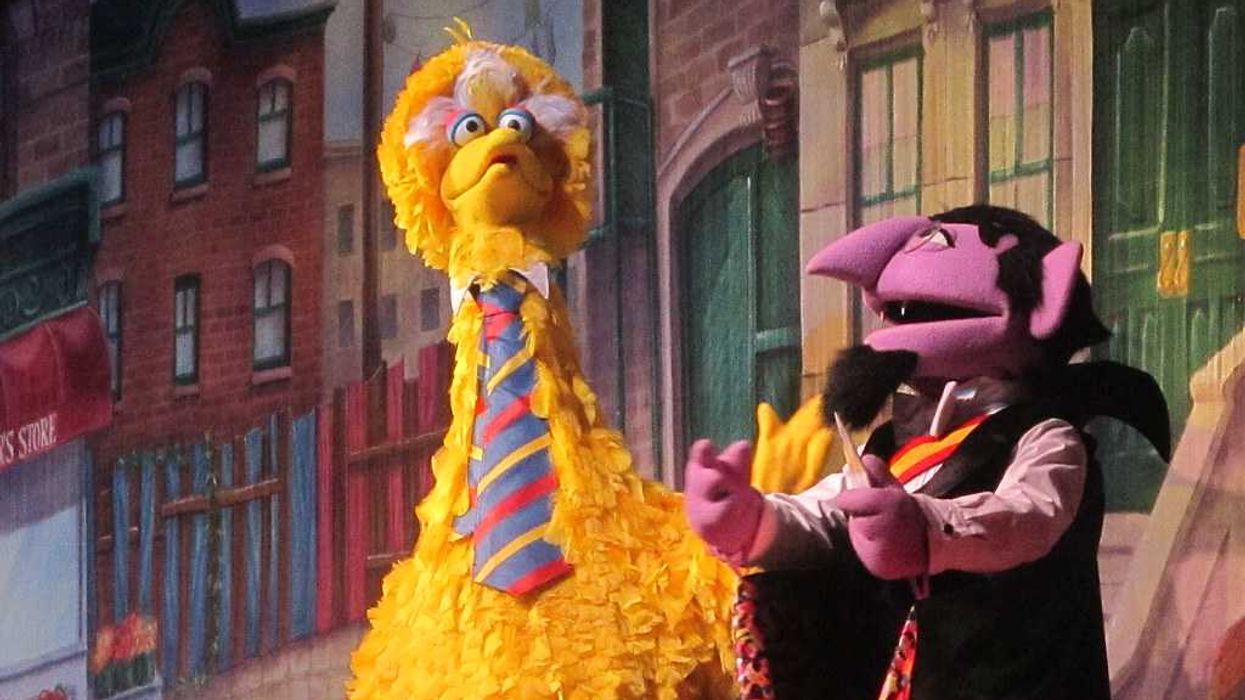
Educational television helps children develop the language skills and vocabulary needed in life. For example, language instruction offered via Big Bird and Elmo helps children learn to read, count, and even identify their emotions. As such, during difficult times of war, global pandemics, and migration crises, when children’s learning is negatively impacted, Sesame Street becomes even more important, extending its reach across the globe. Through the leadership of the International Rescue Commission (IRC), Sesame Street has reached children in conflict zones who would otherwise go without educational instruction. Moreover, in an immigrant household, television, and in particular cartoons, play an important role. Not only is television the first introduction to quintessential American culture, but it also can be how children maintain their innocence and wonder through shows like those being defunded on PBS.
These changes and cancellations are happening faster than we think. In September, PBS fired 100 staff members due to this defunding. This month, Sesame Street was “rescued” when its 56th season premiered on Netflix, making the show available only to paid subscribers after half a century of free public access.
To be sure, some may say that those who want to watch Sesame Street should just get a Netflix account, perhaps arguing that “people prioritize it over food anyway.” Yet in an economic climate where groceries are becoming even more unaffordable, many families may have to choose between milk and a monthly Netflix subscription. Inevitably, this harms children. Moreover, in a society that says it values its young, it is troubling that the social, developmental, and educational support needed to raise children is being defunded through a systematic erosion of everyday American educational figures like Barney, Mr. Rogers, and Ms. Frizzle.
The battle over PBS may be lost, but “viewers like you,” you are still needed in opposing the complete erosion of children’s education.
Silvia Rodriguez Vega is an Assistant Professor at the University of California, Santa Barbara, a Public Voices Fellow with the Op-ed Project, and author of Drawing Deportation: Art and Resistance Among Immigrant Children.