




After crucial global progress toward tackling the climate crisis in recent years, we are re-entering an era where powerful industrial nations are again resorting to military force to control fossil fuel reserves as both a key aim and lever of geopolitical power.
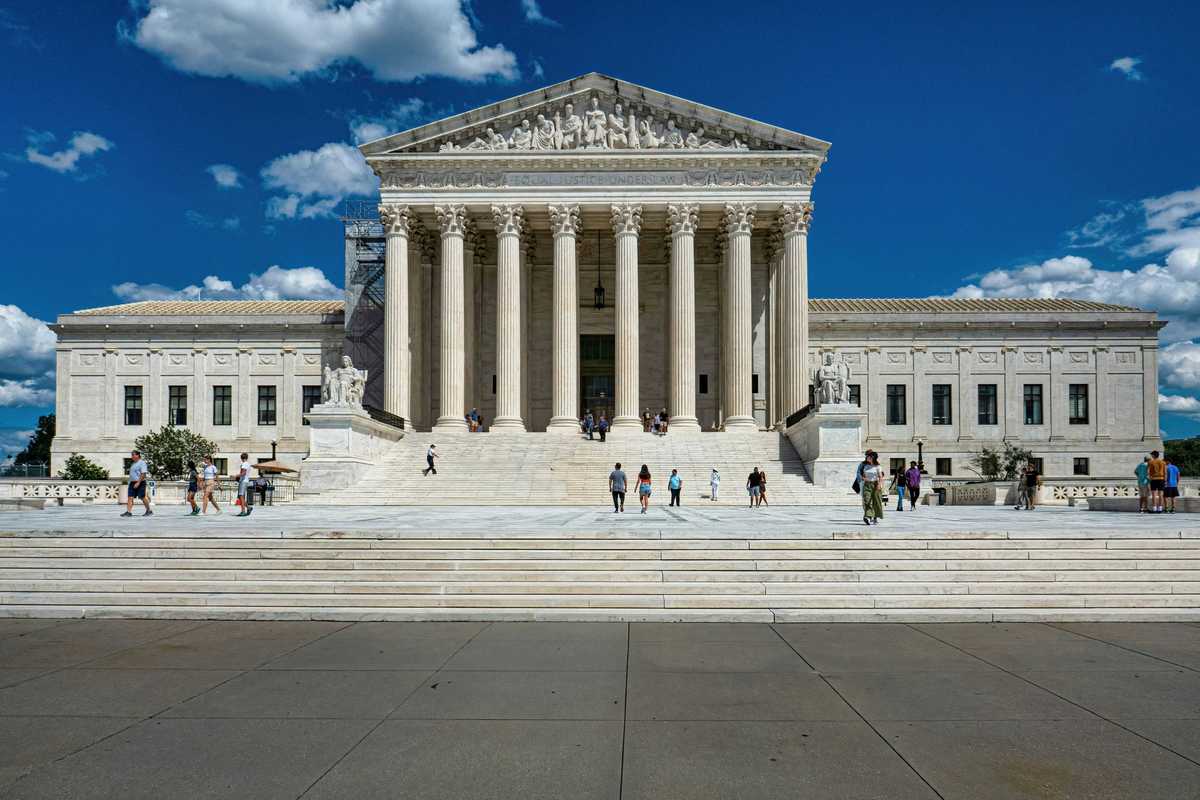
The United States’ illegal military intervention on January 3 in Venezuela, a colonialist power play for the country’s vast oil reserves, is among the latest outcomes of the dangerous pivot away from global efforts to reduce carbon emissions. Days after its military incursion in Venezuela, the U.S. became the first nation in the world to withdraw from the United Nations Framework Convention on Climate Change (UNFCCC), an international treaty ratified by Congress in 1992 that seeks to limit the amount of climate pollution in the atmosphere.
For climate philanthropists, these moments must be a wake-up call. It is time for philanthropy to accelerate and deepen investments in activists, coalitions, and movements. Around the world, they are fighting to keep fossil fuels in the ground and working to build and scale the clean, renewable energy systems centered on human rights principles required to overcome the climate crisis.
Over the past year, climate scientists have been sounding the alarm that our planet is on track, at least temporarily, to overshoot a 1.5 °C rise in the world’s temperature – the target set by the Paris Agreement beyond which the world will experience far more catastrophic impacts of climate change and ecosystem collapse. If we don’t accelerate efforts to phase out fossil fuels and advance a just energy transition, not only will our planet suffer, but the pursuit for boundless extraction of fossil fuels will continue to dictate geopolitical relations and spur further aggression toward sovereign nations.
Philanthropy has an obligation to scale up flexible and long-term funding for the solutions we know are needed to ensure a just energy transition. Our sector has both the means and the reach to play a catalytic role in making that vision a reality. As a funder, I’ve seen such philanthropy empower grassroots climate activists and movements across Africa, Asia, Latin America, and the Caribbean, pushing back against further oil and coal expansion in their countries.
In Thailand, for example, after the Thai government announced plans in 2014 to build a coal-fired power plant in Krabi, we supported the activist groups Save Andaman Network and the Centre for Ecological Awareness Building to organize thousands of residents on nearby Koh Lanta. For eight years, this grassroots movement demonstrated across the region and in Bangkok. Local hotels hung anti-coal signs and recruited tourist testimonials against coal. They eventually helped to shape new narratives on the need for renewable energy systems that protect the basis of life. In 2022, Thailand’s Ministry of Energy relented and cancelled plans for the power plant.
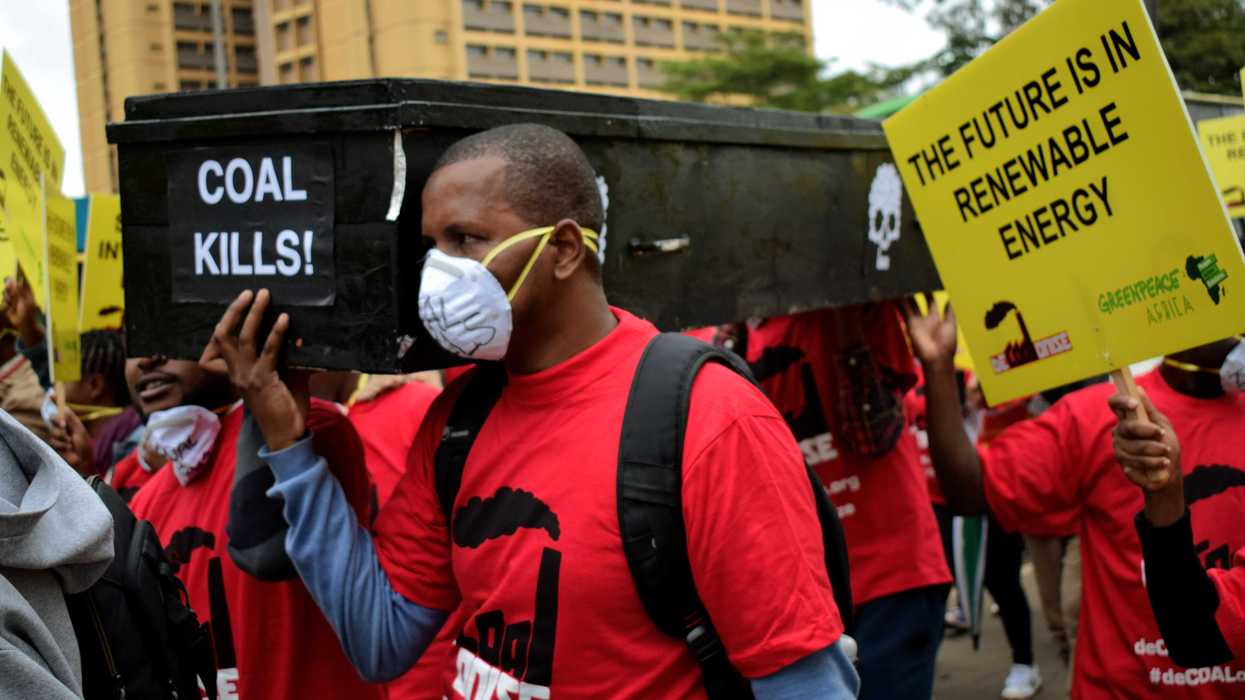
In Kenya, we supported similar efforts of a coalition of activist groups called deCOALonize. They had been fighting the development of a coal-fired plant on the country’s northern coast. If completed, the plant would have been a grave threat to air quality and vital ecosystems, like marine life and mangroves, on which the region relies. The Lamu islands are also home to East Africa’s oldest Swahili settlement – a UNESCO Heritage Site. It took nine years of organizing, protesting, advocacy, and public interest litigation, but last October, a high court in Kenya permanently blocked the power plant from being built.
Several of our partners from Mesoamerica and elsewhere around the world also attended the COP30 in Belem, Brazil, in November. There, they added to the powerful chorus of social movement voices calling for governments around the world to commit to phasing out fossil fuels in line with the Paris Agreement’s goal of reigning in the global temperature increase.
Activists have the most decisive role in this crisis, but philanthropy must amplify its message. The fight for climate justice is an existential one, and it can only be enriched by aligned and deepened philanthropic investment. As President Trump will continue to demonstrate, fossil fuels will keep driving wealthy, authoritarian, and imperialist regimes toward military aggression and wars against sovereign nations. By urgently investing in social justice movements, philanthropy can empower grassroots leaders to promote renewable energy systems that transcend the logic of domination and extraction, and that will bring us toward a safer and more sustainable future.
Payal Patel works at the American Jewish World Service and is the director of their grantmaking and programmatic work on Land, Water and Climate Justice. AJWS is a human rights grantmaking and advocacy organization that supports activists and movements across Africa, Asia, Latin America and the Caribbean.
Correction: An earlier version of this story incorrectly attributed another author.












The President Invited Iran to Bomb My Home