
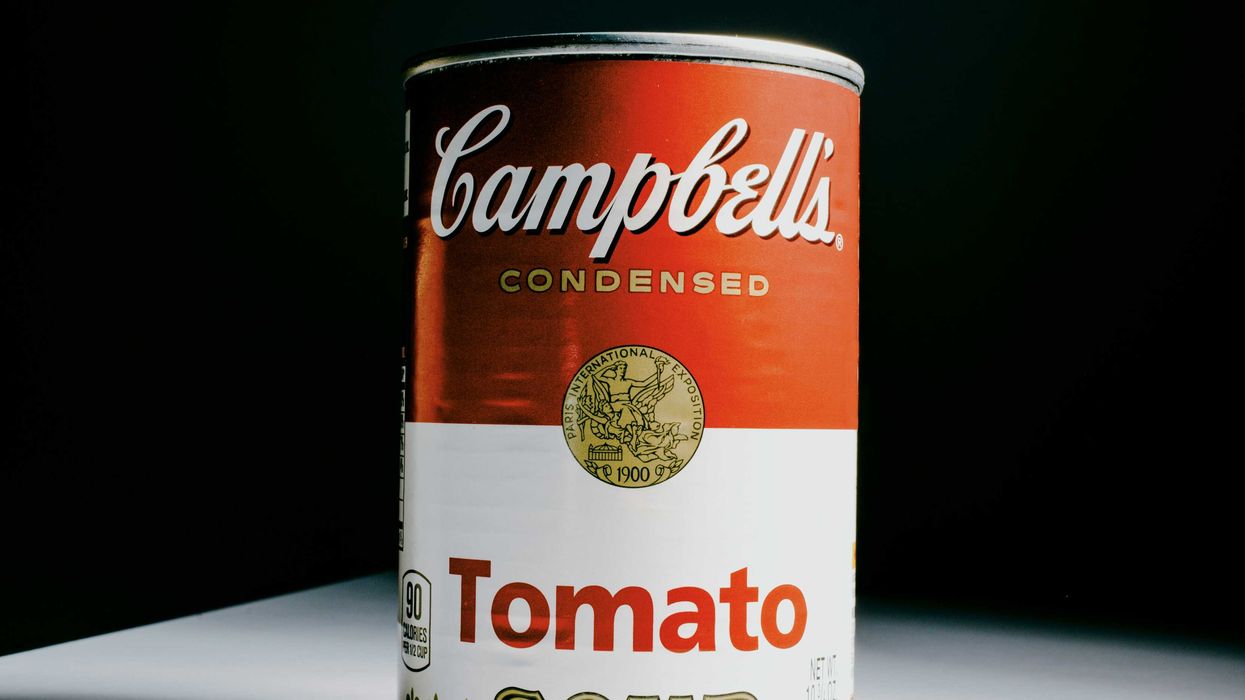
Most customers carry a particular image of Campbell's Soup: the red-and-white label stacked on a pantry shelf, a touch of nostalgia, and the promise of a dependable bargain. It's food for snow days, tight budgets, and the middle of the week. For generations, the brand has positioned itself as a companion to working families, offering "good food" for everyday people. The company cultivated that trust so thoroughly that it became almost cliché.
Campbell's episode, now the subject of national headlines and an ongoing high-profile legal complaint, is troubling not only for its blunt language but for what it reveals about the hidden injuries that erode the social contract linking institutions to citizens, workers to workplaces, and brands to buyers. If the response ends with the usual PR maneuvers—rapid firings and the well-rehearsed "this does not reflect our values" statement. Then both the lesson and the opportunity for genuine reform by a company or individual are lost. To grasp what this controversy means for the broader corporate landscape, we first have to examine how leadership reveals its actual beliefs.
The facts are straightforward. Robert Garza, a former cybersecurity analyst, has sued Campbell's, alleging that Martin Bally, then a vice president and Chief Information Security Officer, insulted Indian workers, disparaged Campbell's foods as "s--- for f---ing poor people," and mocked consumers—all during a meeting intended to address Garza's compensation. The lawsuit claims Bally also bragged about coming to work under the influence of marijuana and repeatedly used explicit racial slurs. According to Garza, the recording supports his claims. After Garza reported the incident to his supervisor, Bally was dismissed.
Campbell acknowledged the recording's authenticity, condemned Bally's remarks as "vulgar, offensive, and false," and severed ties with him. The company now faces a state-level investigation concerning product quality and questions about possible retaliation.
What's most striking about Bally's alleged remarks isn't just the crude language or the ignorance. It’s the confidence with which he shared them. To belittle food that millions depend upon as "slop for the poor" reveals not only personal arrogance but internalized elitism and a profound disconnect from both consumers and the company's declared values. If this is how executives view their products and those who rely on them, no marketing campaign can bridge that gap.
For employees, especially those targeted by bigotry or scapegoating, the harm runs even deeper. Corporate culture doesn't merely flow downward; it seeps into everyday behavior, from missed advancement to subtle exclusion. When employees see that reporting misconduct can lead to retaliation, as Garza alleges, trust erodes quickly, and the damage lingers.
Consumers sense this contempt too. In an era of economic strain, the realization that leaders quietly mock customers' realities is more than a PR challenge; it's a breach of the social contract. It signals that the promise of a fair exchange is negotiable and all too fragile. If contempt destroys trust, the usual cycle of corporate contrition does little to repair it.
Crisis management has become rote: issue a statement, insist the offensive behavior doesn't represent the company, fire the offender, and announce an internal review. Campbell's followed this script and reaffirmed its commitment to quality. These actions matter, but they fall short of addressing deeper failures.
No executive rises to senior leadership in a vacuum. Bally's conduct was possible because a culture allowed him to advance while his attitudes went unchallenged or unnoticed. Such reality should prompt a more honest question: if a workplace can absorb and overlook contempt of this magnitude, what else has it normalized? What day-to-day habits have become so ingrained that the system itself sustains arrogance and exclusion?
If these questions expose the limits of routine corporate apologies, the next step is to consider what real accountability would require. Authentic accountability demands transparency that goes beyond formulaic statements and crisis scripts. Campbell’s, or any company, must move from symbolic gestures to real, structural change: independent audits of workplace culture, genuine opportunities for employees to reach senior leaders without fear of retaliation, and real consequences when retaliation occurs.
Diversity and anti-bias training may help, but they mean little without independent reporting channels, third-party oversight, and steadfast whistleblower protections. Recruitment and advancement should prioritize those who understand the realities of workers and consumers, not just candidates who fit the old leadership mold. Most challenging of all, product and marketing decisions should involve the consumers who actually use the brand. Respect is genuine only when it is participatory.
If Campbell's is sincere in its supposed gratitude for its customers, the first step toward repair is a willingness to share influence with those very people. Consumers hold more power than they realize. They can demand more than apologies and short-term fixes. Public trust isn't a performance; it's a responsibility. When leaders betray that trust, the only credible response involves actual culture change and consequences that reach into the structure of leadership.
Boycotts and social media outrage apply pressure. But real consumer advocacy expects independent review, measurable equity commitments, and transparency in hiring, retention, and advancement. It supports companies that protect whistleblowers and uphold these standards long after the headlines vanish. With all this in mind, the final question is whether redemption is possible—and if so, what it must look like.
The Campbell's scandal isn't just a corporate misstep; it points to a broader breach between the powerful and those who trust, labor for, and support them. If companies seek redemption, it won't come through slogans or glossy advertisements. It will have to emerge through actions that honor dignity in tangible, lasting ways.
If leaders can't replace contempt with genuine respect, self-reflection, and a humility fitting their responsibilities, the divide between the influential and everyday people will only widen. The consequences will outlast brand reputation or quarterly profits. They ripple through the moral integrity of public life. That growing divide is a test of who we are and what we're willing to accept from those who shape the literal and symbolic bread of our daily lives.
Rev. Dr. F. Willis Johnson is a spiritual entrepreneur, author, scholar-practioner whose leadership and strategies around social and racial justice issues are nationally recognized and applied.

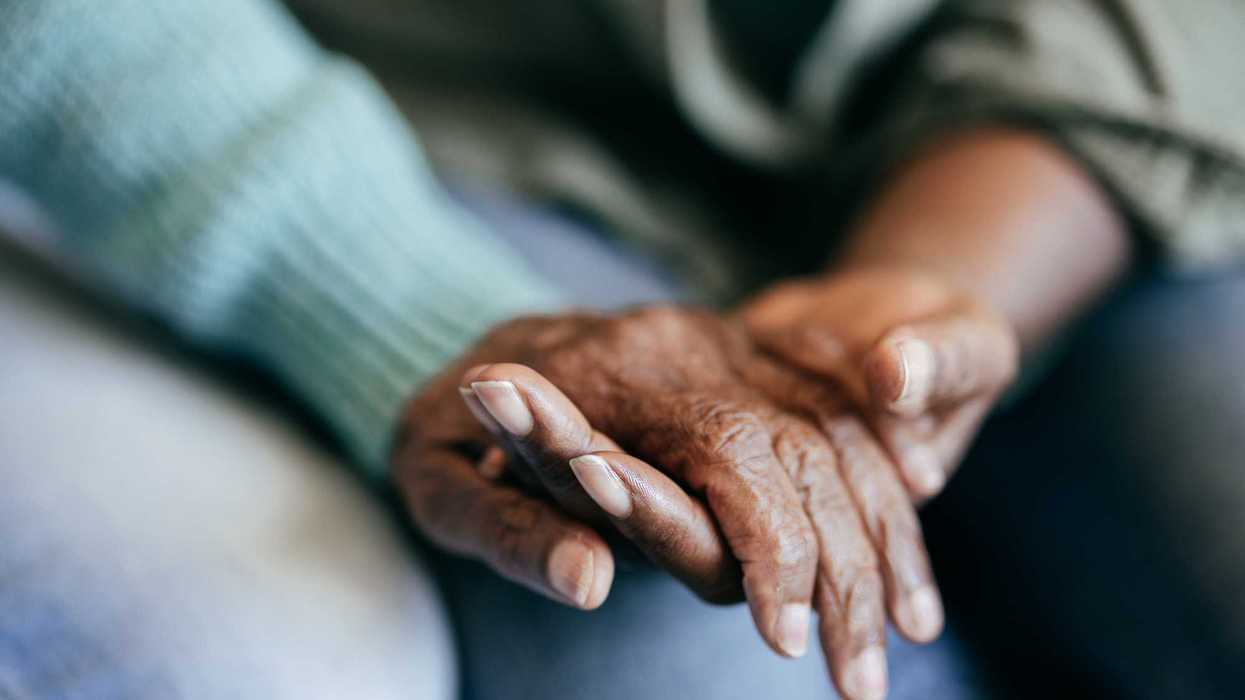




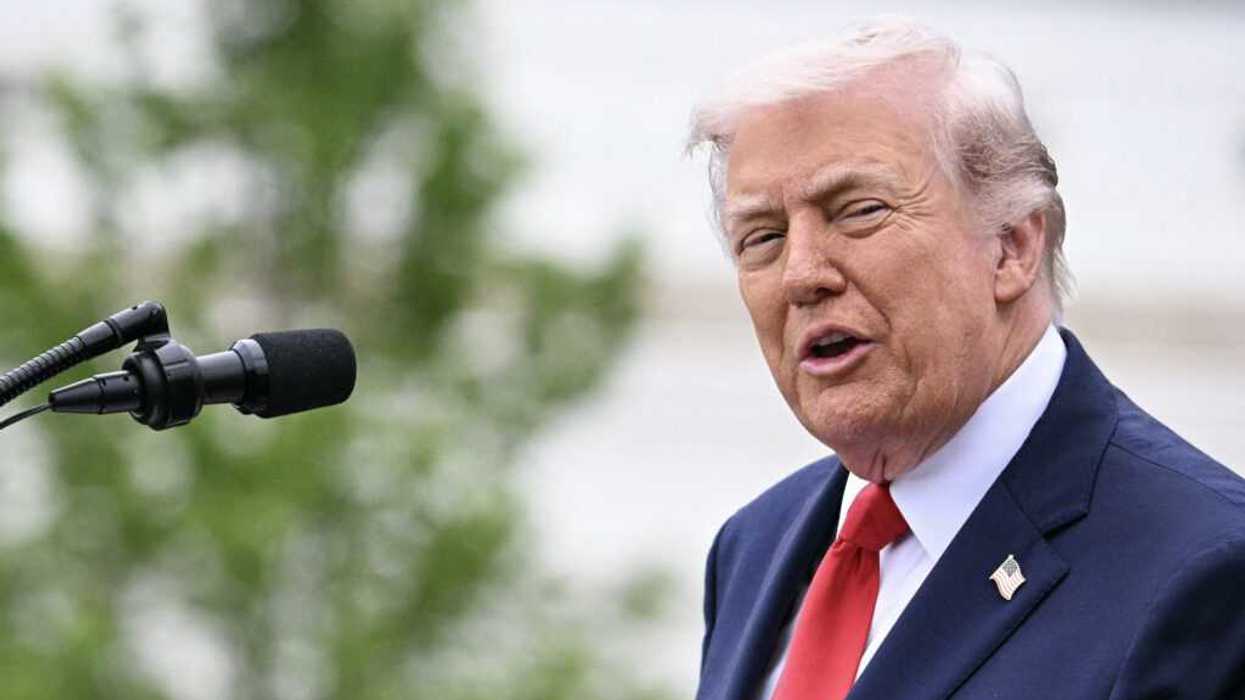


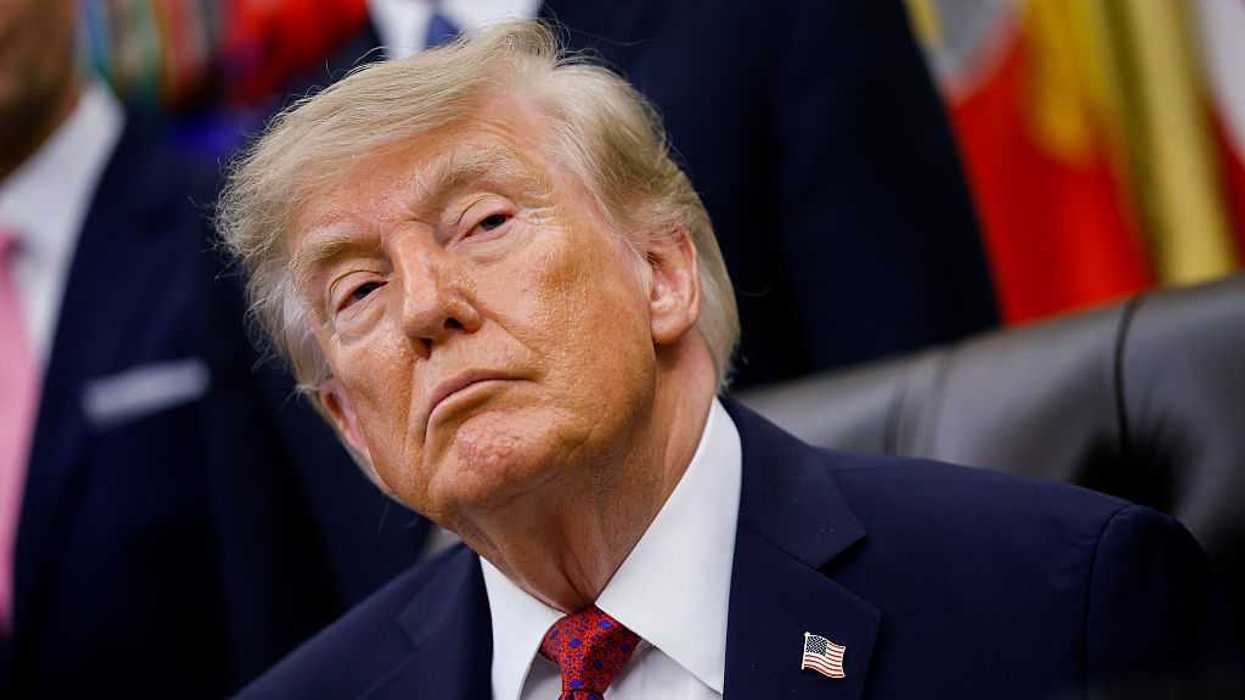
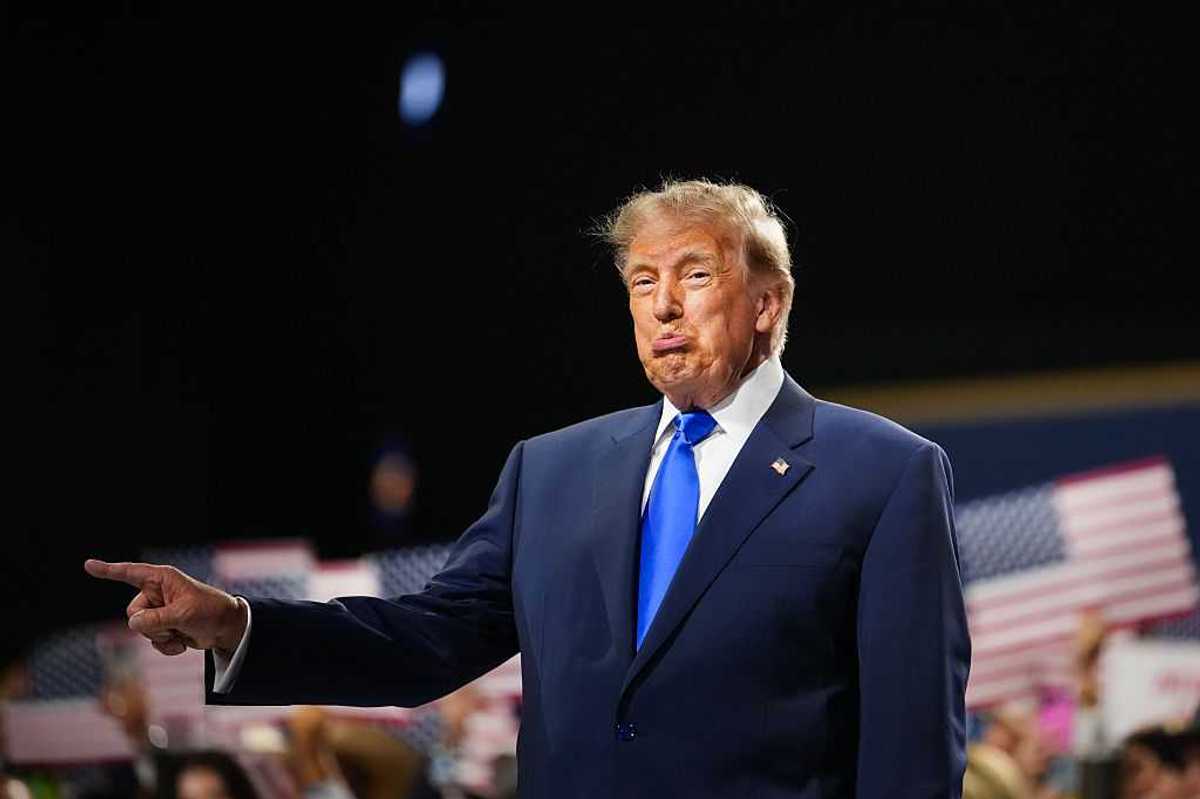
U.S. President Donald Trump speaks during a“ Steel Across America” event ahead of the 25th anniversary of the Sept. 11th attacks on the Ellipse near the White House on Sept. 8, 2026 in Washington, D.C. President Trump welcomed 9/ 11 first responders to the Tunnel to Towers Foundation’ s“ Steel Across America” event featuring a 16,900- pound, 21- foot steel beam recovered.
For Trump, even 9/11 is an opportunity
There was a reason organizers of the 9/11 ceremony in Manhattan told President Trump he could not speak at this year’s memorial service.
A good one, it turns out.
Because in a speech he gave on Tuesday in Washington, he did exactly what they were presumably worried about — he made it about himself.
According to The New York Times, Trump had wanted a speaking role at the service, but the National Sept. 11 Memorial and Museum, which oversees the site, said no, as they’ve maintained for the past decade-plus that the venue and event should be nonpartisan.
Trump has long used awful tragedies to either puff himself up, trash political opponents, or sell lies to the American people.
He blamed a deadly plane crash at Washington National Airport last year on diversity, equity and inclusion policies. He blamed Puerto Ricans for the devastation they endured after Hurricane Maria in 2017. He reportedly considered withholding disaster relief after the California wildfires based on the way affected regions voted. In an interview on Fox News meant to commemorate the 75th anniversary of D-Day in Normandy, he used the occasion to slam former House Speaker Nancy Pelosi…with graves of the dead behind him.
And now, as we approach the 25th anniversary of what many New Yorkers consider the darkest day in modern history, Trump has done it again.
He told a rambling, nonsensical story — one he’s told before — about going to Ground Zero just after terrorists flew two commercial jets into the twin towers. In the story, which no one has been able to verify, despite multiple attempts, he says firefighters had to carry him out of One Liberty Plaza, also known as the U.S. Steel Building, because they thought it was about to collapse.
As CNN fact checker Daniel Dale notes, there’s no evidence Trump went into this building, especially at a time when NYPD and NYFD had locked down the area. There’s no evidence that building was collapsing — in fact, it was deemed structurally sound and reopened within two months of the attacks. There’s no evidence he was carried out of it by firefighters.
But the lie isn’t even the worst part. Pretend it was all true — why would the leader of our country, and a New Yorker, decide to make that tragic day about himself?
Because that’s who Donald Trump is. He’s a malignant narcissist.
He’s also, incidentally, a terrible and ineffectual president, who’s made ill-fated decisions that he has to keep defending, and there’s nothing he won’t do to make himself look and feel better.
Within the first two minutes of his speech, he was cravenly using 9/11 to justify and promote his dumb war in Iran — two events separated by 25 years and 6,000 miles.
“And I will tell you, we’re right now fighting because we have a certain nation that wanted a nuclear weapon, they were very close to getting it, and now they have no chance at getting it. They will never have a nuclear weapon. Iran will not have a nuclear weapon. And they’ve been punished greatly. As you know, we’ve really taken it to them.”
As a New Yorker who lived through 9/11, still one of the worst days of my life, I’m utterly sickened by Trump’s crass, political, and self-promotional framing of that awful day.
And I’m relieved he won’t be given a platform to do it again on Friday’s anniversary in lower Manhattan.
Because for Trump, everything is his for the taking, and absolutely nothing is sacred.
S.E. Cupp is the host of "S.E. Cupp Unfiltered" on CNN.