

America is being damaged not by strong leaders abusing power, but by weak leaders avoiding responsibility. Their refusal to be accountable has become a threat to democracy itself. We are now governed by individuals who hold power but lack the character, courage, and integrity required to use it responsibly. And while everyday Americans are expected to follow rules, honor commitments, and face consequences, we have a Congress and a President who are shielded by privilege and immunity. We have leaders in Congress who lie, point fingers, and break ethics rules because they can get away with it. There is no accountability. Too many of our leaders operate as if ethics were optional.
Internal fighting among members of Congress has only deepened the dysfunction. Instead of holding one another accountable, lawmakers spend their energy attacking colleagues, blocking legislation, and protecting party leaders. Infighting reveals a failure to check themselves, leaving citizens with a government paralyzed by disputes rather than focused on solutions. When leaders cannot even enforce accountability within their own ranks, the entire system falters.
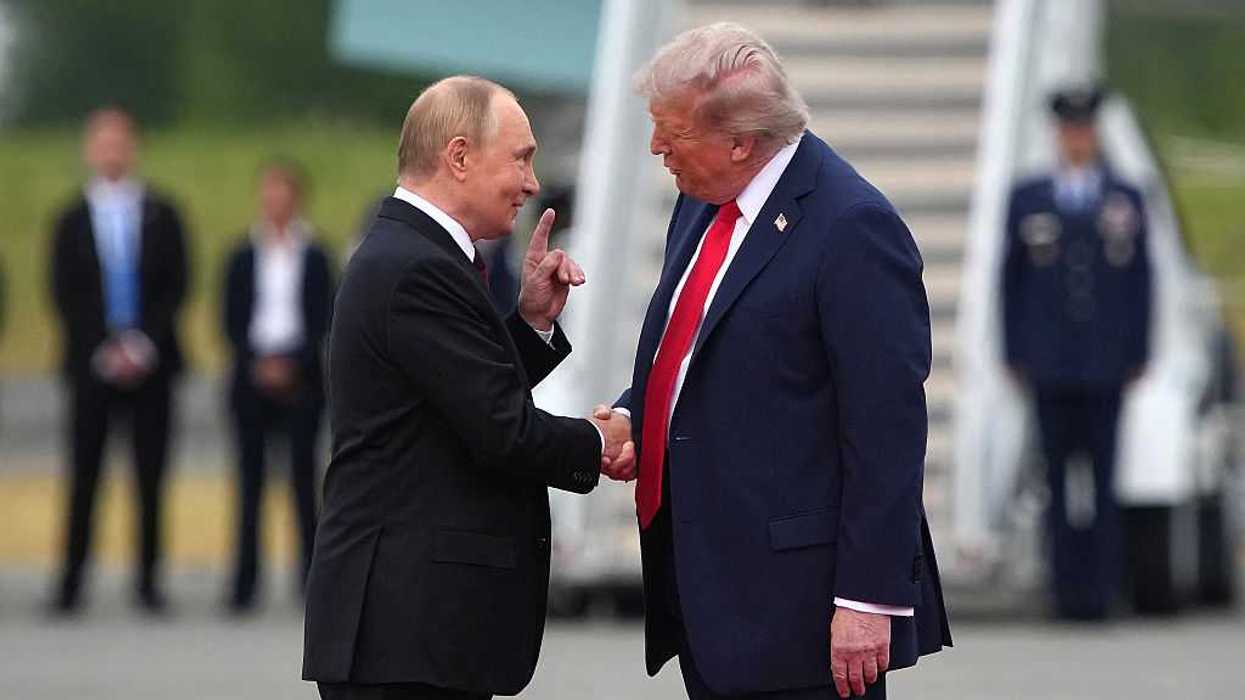
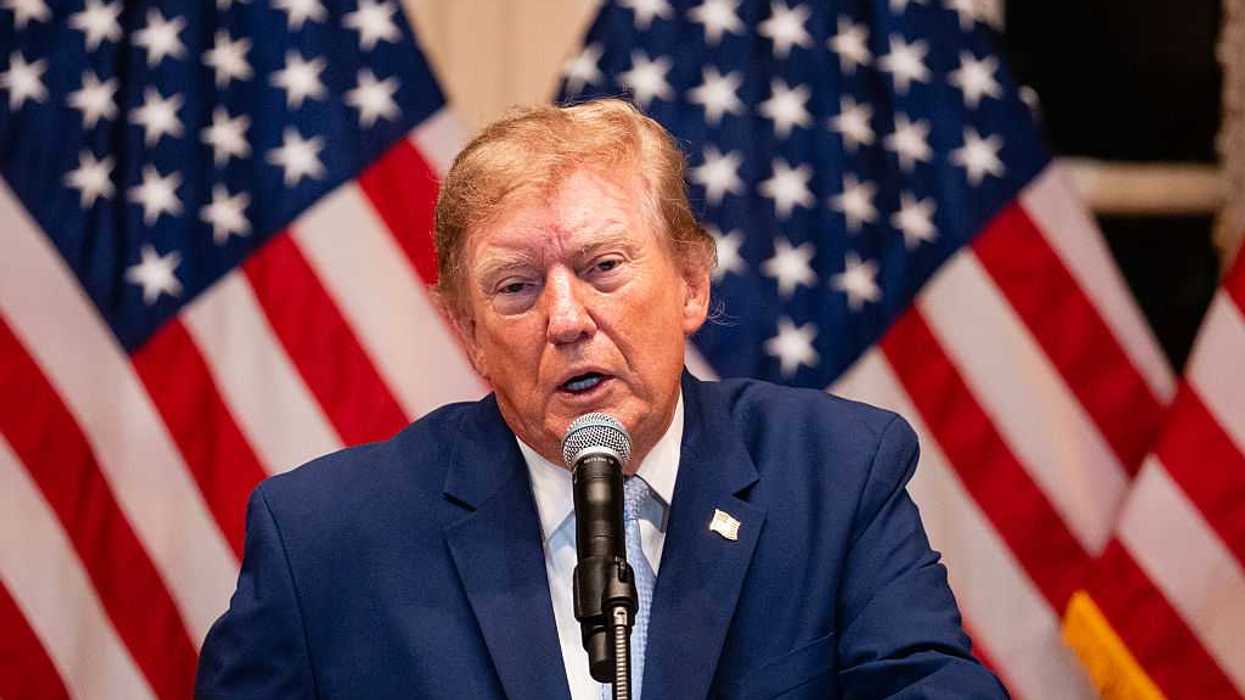
Transparency in Congress has become a forgotten word. Leaders not only spin and change the subject, but they spread conspiracies, cover up, and deny—traits they apparently learned from the President to evade the truth and protect and shield him when he abuses power. President Trump has wielded hundreds of executive orders that test constitutional boundaries, including attempts to restrict birthright citizenship and expand presidential authority beyond constitutional limits, which legal experts warn could undermine checks and balances (ABC News; Tennessean). He has also used government powers to target more than 100 perceived enemies—through ICE arrests, investigations, and firings—in what NPR described as a sweeping campaign of retribution (OPB/NPR). Who dares to check the President? Who dares to hold him accountable for his actions that diminish our Republic?
Speaker Mike Johnson has likewise evaded truth and accountability. During a protracted government shutdown, he refused to reconvene the House, effectively holding Congress hostage and preventing members from voting on critical legislation. Analysts described this as a dereliction of duty that undermined representative government (BentGent). Johnson also faced bipartisan pressure over the release of Jeffrey Epstein investigation files, publicly claiming transparency while simultaneously shutting down the Rules Committee and canceling votes, a move criticized as an effort to avoid scrutiny (Politico; Southwest Journal).
With no accountability, Americans can see the quid pro quos, pay‑for‑play arrangements, favors extended to political allies, and the deference shown to billionaires and special interests. This visibility should trigger reform. Instead, it exposes a deeper failure: a political culture so hollowed out by privilege and immunity that consequences simply no longer apply. Recent scandals illustrate this pattern, from Miami’s no‑bid concession deal benefiting a national party finance chair to multimillion‑dollar checks securing Cabinet appointments in what watchdogs describe as Trump’s pay‑to‑play administration.
The Supreme Court has not fared better. Justices have accepted luxury trips, gifts, and favors from wealthy benefactors, raising questions about impartiality and ethics. Investigations by ProPublica have detailed undisclosed travel and relationships that test the boundaries of judicial ethics, while rulings on presidential immunity reported by SCOTUSblog have reshaped checks and balances in ways that embolden abuses of power. Accountability has been replaced by privilege, and the Court itself has become entangled in pay‑for‑play politics.
Underlying all of this is the outsized influence of billionaires and money in politics. In the 2024 elections, 150 of the wealthiest families contributed nearly $2 billion to influence outcomes, including Elon Musk ($133 million to Republicans) and Michael Bloomberg ($45 million to Democrats), as reported by the Washington Post. Research by Princeton shows that economic elites and organized interests have far more influence on policy outcomes than average citizens, while Pew Research documents the resulting collapse of public trust in government. Leaders fear accountability because it would expose these transactions, strip away privileges, and return power to the people.
When accountability is absent, the damage extends beyond leaders to citizens themselves. Trust erodes, corruption weakens institutions, and the government loses the ability to pass laws, enact policies, or respond to crises. Public services are destroyed, voices go unheard, and votes are suppressed. Citizens disengage, stop caring, and withdraw from civic life. Inequality and injustice deepen, social unrest grows, and the rule of law collapses. Democracy cannot survive when accountability is ignored.
Yet accountability is not punishment—it is a tool. Leaders must view accountability as a way to improve their leadership, sharpen decision‑making, build trust, and even strengthen approval rates. As a leader, I held myself accountable—the buck stopped with me. It was never difficult to confront my flaws and weaknesses because strong self-esteem and a genuine desire to serve led me to accept responsibility for outcomes. Accountability enhanced my leadership skills, making me stronger, more effective, and better equipped to make sound decisions, solve problems, and achieve organizational goals. Ignoring accountability was never an option. But leaders should not only hold themselves accountable; they must also hold one another accountable, including the President and the Supreme Court. Accountability will only work when it exists across all three branches of government.
Americans cannot afford to look away. If we want to dismantle dysfunction, we must confront the money behind it and demand accountability at every level of government. Only then can we restore integrity, enforce checks and balances, and reclaim democracy as for the people, by the people.
Ethics codes and transparency rules must be enforced. Checks and balances must be restored and reinforced. Campaign finance reform and stricter lobbying rules must limit billionaire influence. Citizens must vote, speak out, attend town halls, write letters, sign petitions, and participate in peaceful protests. Accountability makes for a fully functioning Congress that passes laws, enacts policies, and does the work of the people without chaos, obstruction, and self‑interest. Leaders should be judged not by how fiercely they cling to power, but by how courageously they accept responsibility.
Leaders may fear accountability, but without it, democracy cannot survive. When accountability is present, corruption recedes, transparency expands, and trust is restored. Free and fair elections, independent media, and ethical leadership will no longer be ideals on paper but realities in practice. Only then will democracy endure — and only then will government truly be for the people, by the people.
C. Goode is a retired educational leader and advocate for ethical leadership and health care justice.