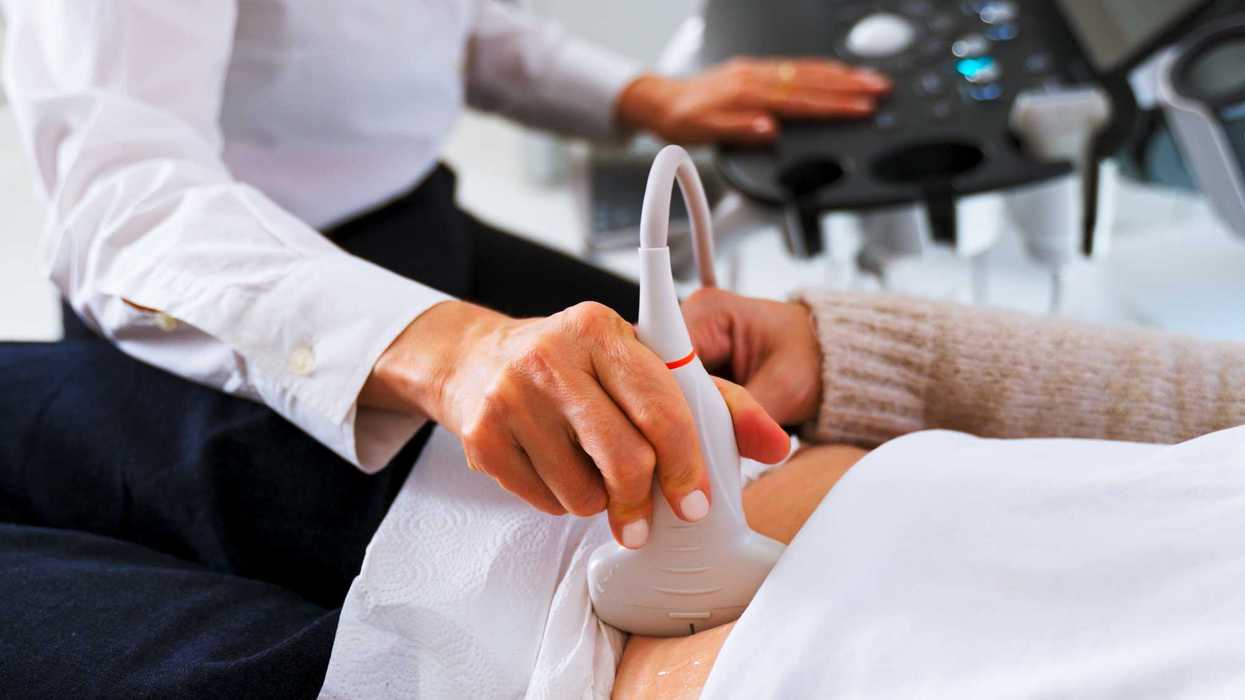



In May, the JAMA Network released a study showing that doctor visits for children’s anxiety rose by more than 250 percent over 10 years. If we only respond with more clinical visits and prescriptions, we miss the chance to invest in the everyday conditions that help prevent anxiety in the first place—unstructured social time, accessible extracurriculars, walkable neighborhoods, and teen-friendly public spaces—the “wellbeing infrastructure” we should fund in proportion to the benefits it provides.
Good health and well-being–both mental and physical–do not happen by accident. They do not happen only by stepping in when a young person is in a major mental health emergency (although such services are essential). For youth to truly flourish, we need to focus on conditions that lead to thriving mental health and a commitment to building youth wellbeing infrastructure: the physical environments, social systems, and policies that promote long-term physical, mental, and emotional health.
Fortunately, we’re not starting from scratch. Young people already know what helps them thrive—we just need to support it more creatively and consistently. In a recent youth voice poll by my organization, Hopelab, and the Center for Data Progress, which surveyed over 1,200 young people ages 13–24, respondents were clear about what helps their mental health “a lot” or “quite a bit”: face-to-face time with friends (67 percent), time outdoors (61 percent), and being creative (54 percent).
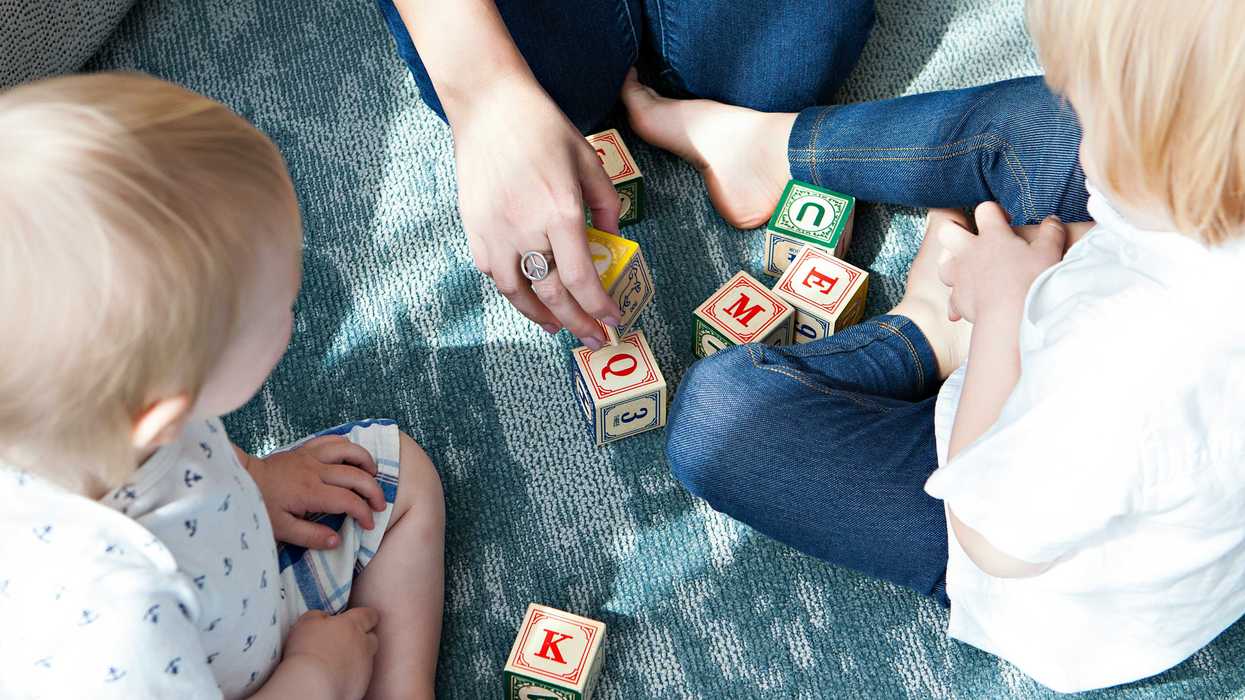
What would it look like to support infrastructure that provides young people face-to-face time, creativity, and access to the outdoors? It might look like the West Suburban YMCA in Massachusetts, which runs a dedicated teen center open seven days a week and explicitly framed as “the perfect spot to hang out after school or on the weekends.” Teens can drop in to relax, play ping pong, air hockey, and console games, watch TV, or do homework, with staff present to support positive relationships rather than run a therapy program.
Well-being infrastructure for young people might also look like innovative green spaces that coax everyone to spend more time there while interacting with others. More and more research shows that simply being outside, exposed to nature, improves our well-being. So projects that encourage social interaction outdoors would do double duty, providing both restorative and social environments. One example: Washington, D.C.’s 11th Street Bridge Park, a new elevated public park project on an old freeway bridge over the Anacostia River. The project is intentionally designed to promote health and wellbeing, with outdoor performance spaces, playgrounds, and urban agriculture education meant to foster long-term social connection, alongside affordable housing and small businesses that weave outdoor access together with community needs.
Well-being infrastructure also looks like well-funded opportunities to engage in the arts and in activities that bring young people joy, perspective, and connection to each other and the world around them. LA County’s Creative Wellbeing initiative, for example, uses healing-informed arts education—creative writing, dance, music, theater, visual and media arts—to support young people, including children who experience foster care, and youth affected by the juvenile justice system.
A society that truly values youth mental health would fund an abundant number of these programs, indoors and outdoors, for all ages. It would increase funding in schools, libraries, parks, and community centers for the kinds of experiences young people themselves say support their well-being.
To be sure, many communities already invest as best they can in beautiful parks and community programs, but too often these are seen as “nice to have,” not essential infrastructure for our health and our future. Meanwhile, proximity and access to these spaces and experiences remain deeply unequal across the country.
At a time when our youth are deeply at risk, we should listen to them when they tell us what works and what we’re doing right. From ballot measures that increase funding for libraries, parks, and schools to visionary projects like the 11th Street Bridge Park, our kids need support from the infrastructure—and the world—we build around them to thrive.
Julie Tinker is a Principal at Hopelab, a nonprofit focused on improving the mental health and well-being of young people. She is a Public Voices Fellow on Youth Well-Being and Power of The OpEd Project and Hopelab.